


Body + Mind is reader-supported. We may earn an affiliate commission when you buy through some of the links on our site.
Walking into a hospital already takes enough out of you. A well-packed hospital bag won’t fix the nerves or the waiting, but it can make the experience calmer, cleaner and a lot more comfortable. Whether you’re getting ready for birth, heading in for a scheduled surgery or preparing for a loved one’s emergency, the right essentials can turn a stressful stay into something manageable.
Packing isn’t about “being extra.” It’s about having the basics that help you rest, keep you refreshed and support privacy while making long hours pass a little easier.
Hospitals provide care, not comfort. Most rooms are cold, bright and noisy. The linens are scratchy, and the toiletries are usually basic. Charging ports are far from bed, and once you’re admitted, you can’t exactly run home for a phone charger or the right socks.
With an average hospital stay of 5.2 days in the U.S., isn’t it time you prepared and made the experience more comfortable and convenient?
A smart bag makes the stay easier by covering five core needs:
When you pack, consider the version of yourself that’s tired, uncomfortable and wants everything in reach.
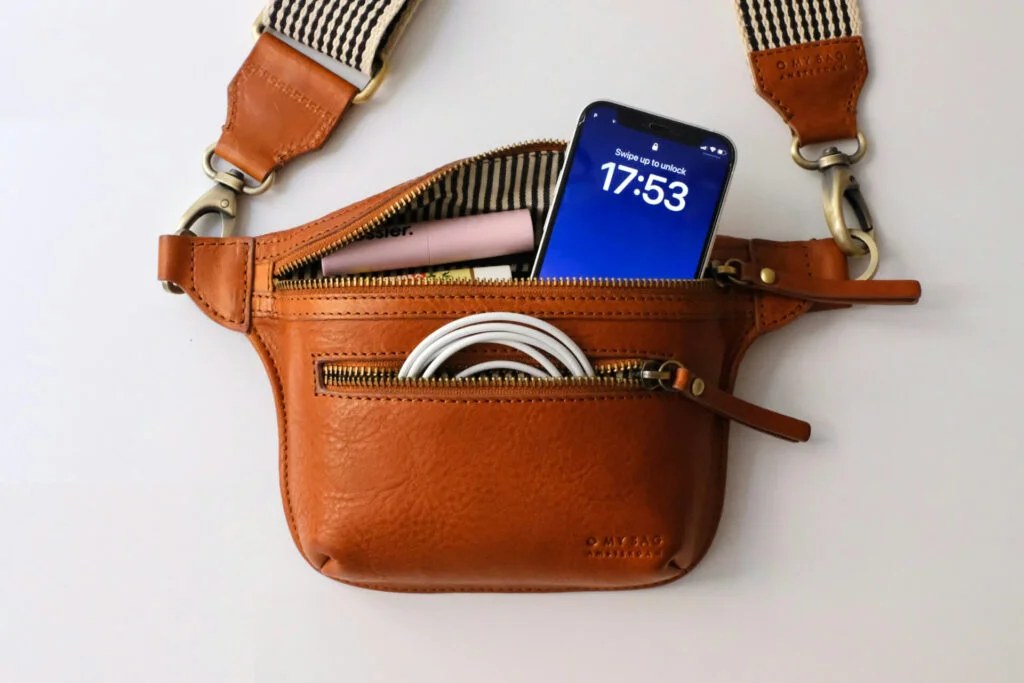
Hospital stays aren’t one-size-fits-all. What you pack depends on why you’re going, how long you expect to stay and who the bag is for.
Birth is unpredictable, so your hospital bag should cover labor, recovery and the trip home, and it should be ready a few weeks before the baby is scheduled to arrive. You’ll pack the usual personal items plus postpartum needs, comfort-focused clothing and anything that makes the room feel more private.
For planned procedures or quick observations, focus on toiletries, sleep items and basics like chargers and loose clothing. One night in hospital can still feel long, so your bag should keep you clean, connected and as rested as possible.
An emergency bag lives in your closet or car and holds documents, medications, easy clothing, phone chargers and the simplest possible hygiene items. This type of bag is especially vital if you or a loved one has a medical condition, such as epilepsy, that may prompt an unexpected hospital stay. It’s not the full kit, but rather the “grab and go” version.
Kids need comfort more than anything. Soft pajamas, a favorite stuffed animal, small toys and familiar toiletries help the room feel less intimidating. Add extra clothing and wipes, as spills are inevitable.
Most items overlap, but differences usually come down to the toiletries, undergarments and preferred comfort items. Men often pack lighter but still need slippers, chargers, deodorant and something to pass the time. Women sometimes want extra hair care, period products and modest sleepwear.
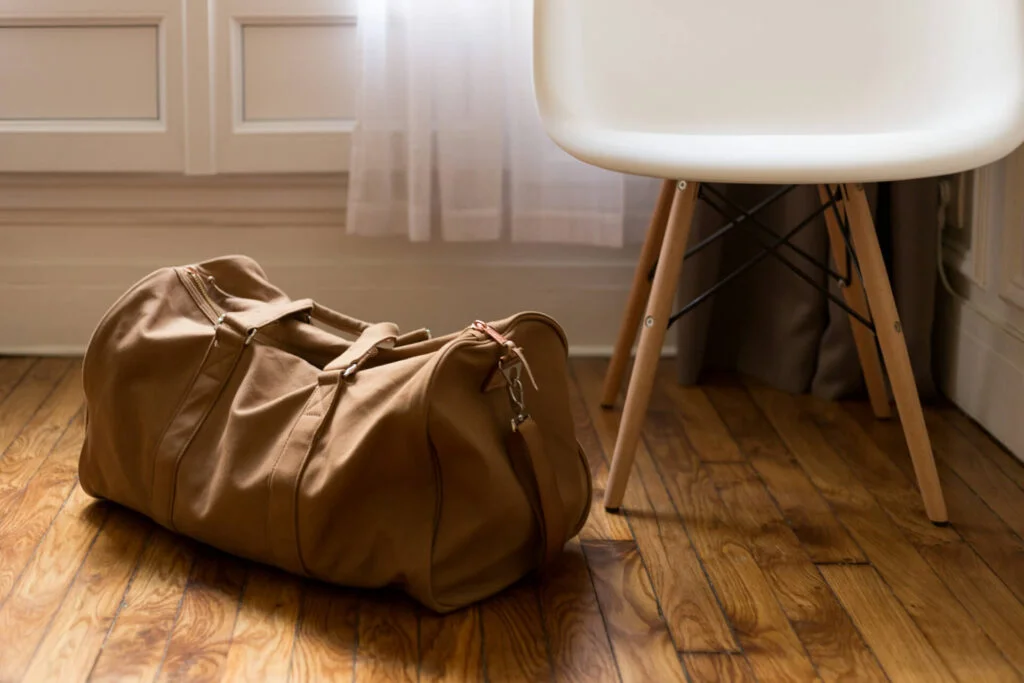
Birth bags need a little more planning because the stay is longer and recovery is harder on the body. Think comfort first:
| Clothing to Bring | |
| Comfortable pajamas | Multiple sets of loose-fitting tops and bottoms are best. |
| Lightweight robe | A comfy robe improves privacy and modesty while breastfeeding. |
| Eye mask | Helps you sleep through bright hallways and late-night calls in shared rooms. |
| Undergarments | Socks, underwear and suitable frocks are a win. |
| Slippers | Invest in a thick-soled pair with a rubber grip to prevent slipping on cold hospital floors. |
| Going home outfit | An outfit that won’t rub against an incision from a C-section or other bruising is vital. |
| Personal Care Items | |
| Hair care | Shampoo, brush and soft hair ties to keep your tresses organized. |
| Current medications | A list of prescription medications and any supplements you take, along with a supply as needed, is vital in ensuring your continued health. |
| Hygiene products | Travel-size body wash, soap, skin care and deodorant will keep you more comfortable. |
| Oral care | Your toothbrush, toothpaste, floss and any other dental products you use to keep you feeling minty fresh. |
| Feminine hygiene products | Consider intimate wipes, period products, liners and even toilet paper if you’re sensitive about what you use when wiping. |
| Electronics and Entertainment | |
| Cellphone and charger | Opt for an extra-long charger cable to ensure you can easily reach and use your phone while it’s plugged in, regardless of the wall outlet’s location. Americans are online for more than seven hours a day, and being disconnected during a hospital stay can worsen anxiety. |
| Earbuds and headphones | While most hospitals sell inexpensive headphones, a comfortable noise-canceling set can help you block out distractions. |
| Books, e-reader, tablet or magazines | You’ll spend quite a bit of time simply waiting, so take healthy entertainment and enrichment activities along. |
| Essential Documents | |
| Government-issued ID | Or a certified copy of your original if you’re scared of losing the original. |
| Insurance card | A laminated card with the most important numbers is a good addition to your bag. |
Packing an overnight hospital bag is all about simplicity. You want things that support sleep, hygiene and movement.
Start with these basics:
Then consider your comfort zone:
A good rule is that if it keeps you clean, helps you sleep or makes you feel more human, bring it.
Even if you’re not the one undergoing the procedure or medical need, you may find that having the right things with you can make the endless wait much more tolerable. So take a care package for your own “waiting room” needs.
Consider the following:
You don’t know how long the stay will feel, but you can control what you have with you. The goal isn’t a perfect bag. It’s a thoughtful one that keeps you steady, clean and comfortable while medical teams do their work.

Your email address will only be used to send you our newsletter, and at any time you may unsubscribe. For more information, see our Privacy Policy.
