A perfectly styled blowout elevates your appearance. However, it can cause concerns about your hair health since high heat from using flat irons and other tools can cause significant and irreversible damage. However, a thermal brush doesn’t force you to choose between style and hair integrity.
Thermal brushes are leading innovations in haircare, able to smooth and style like any hot tool but specifically engineered to be gentle. You use less heat to get a salon-quality look.
Here is a scientific look at how thermal brushes achieve this, with a curated selection of the best tools for salon-level blowouts.
The Science of Heat Styling and the Role of Thermal Brushes
https://unsplash.com/photos/woman-holding-white-and-black-hair-blower-7F97N_cykAM
Your scalp contains as many as 100,000 hair follicles, and it’s extremely important to keep them well-maintained and conditioned for a shiny and bouncy look. Hair strength and elasticity come from a protein called keratin. The molecular structure of keratin is altered when exposed to high heat due to a process called denaturation, which weakens the hair strand from the inside. Moreover, heat styling results in significant and rapid water loss, which often causes severe hair breakage and brittleness.
Heat styling also damages the cuticle, or the hair’s outermost layer. Cuticles lie flat and smooth when hair is healthy, but heat causes them to lift, separate and break. The result is rough and porous hair strands that can’t reflect light due to the damaged cuticles, making your hair look dull. Moisture also escapes more quickly, resulting in constant frizz. Thermal brushes help solve these problems by relying on less heat.
What Does a Thermal Brush Do for Hair?
https://unsplash.com/photos/a-woman-holding-a-hair-dryer-in-her-hand-UvKbcxY9dl8
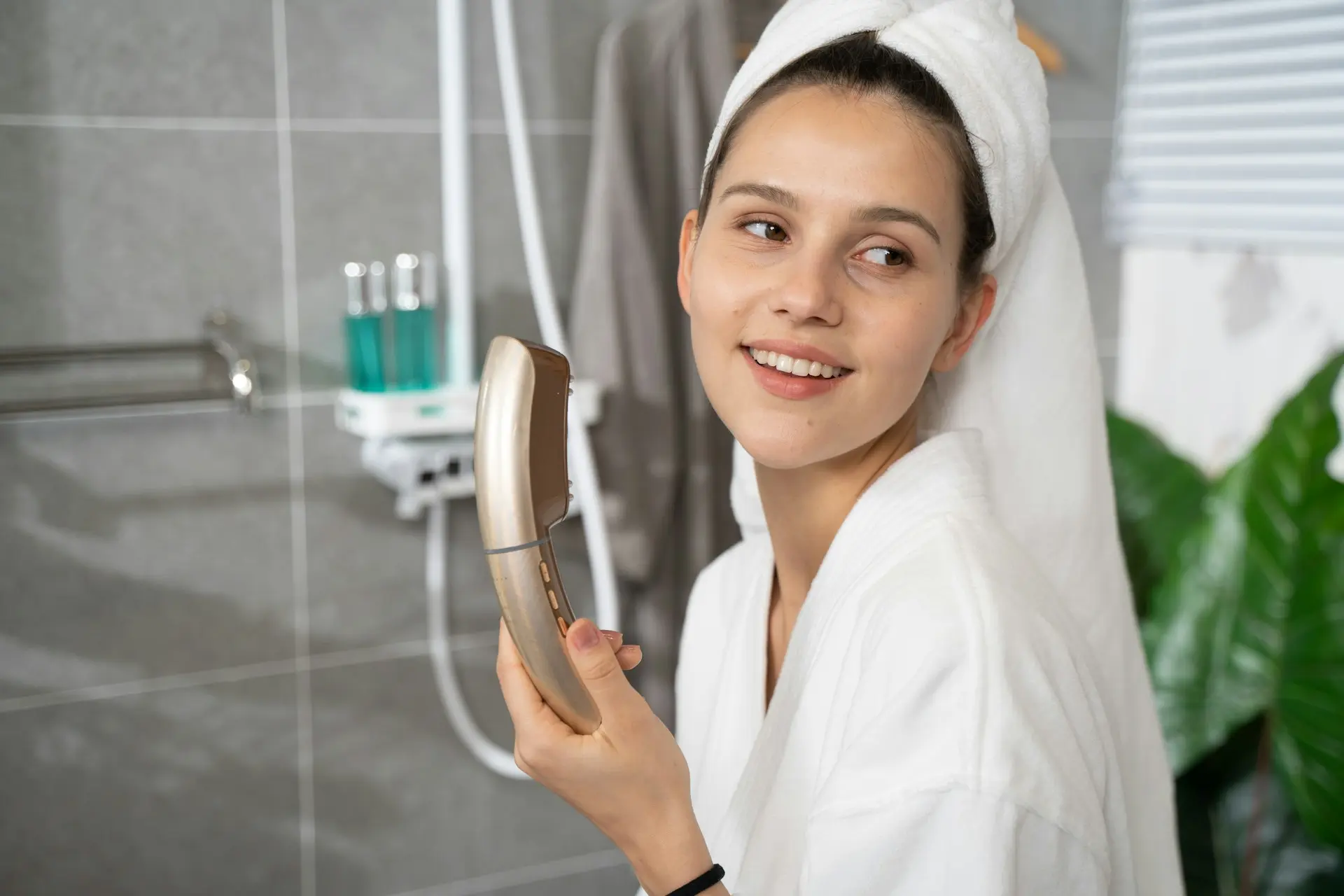
A thermal brush smooths down hair like a round brush, but with a heating element. This enables you to dry and style your hair simultaneously, reducing the amount of heat it is exposed to. For this reason alone, thermal brushing is a healthier alternative to blow-drying and ironing.
Additionally, thermal brushes typically have ceramic and tourmaline barrels. Ceramic heats up evenly and maintains a consistent temperature, reducing the risk of dangerous hot spots that can significantly scorch or damage the hair. Tourmaline produces a high amount of negative ions, which help seal the hair cuticles. The sealed cuticle then locks moisture in, repels humidity and lessens frizz, leading to smoother, shinier hair.
A thermal brush features a vented barrel and flexible bristles. This design helps smooth the hair down and allows hot air to circulate freely. On the other hand, flat irons place high heat and high-pressure clamping directly onto the hair.
Does the Thermal Brush Actually Work?
https://unsplash.com/photos/a-woman-holding-a-hair-brush-in-her-hand-miwXvaQK0c8
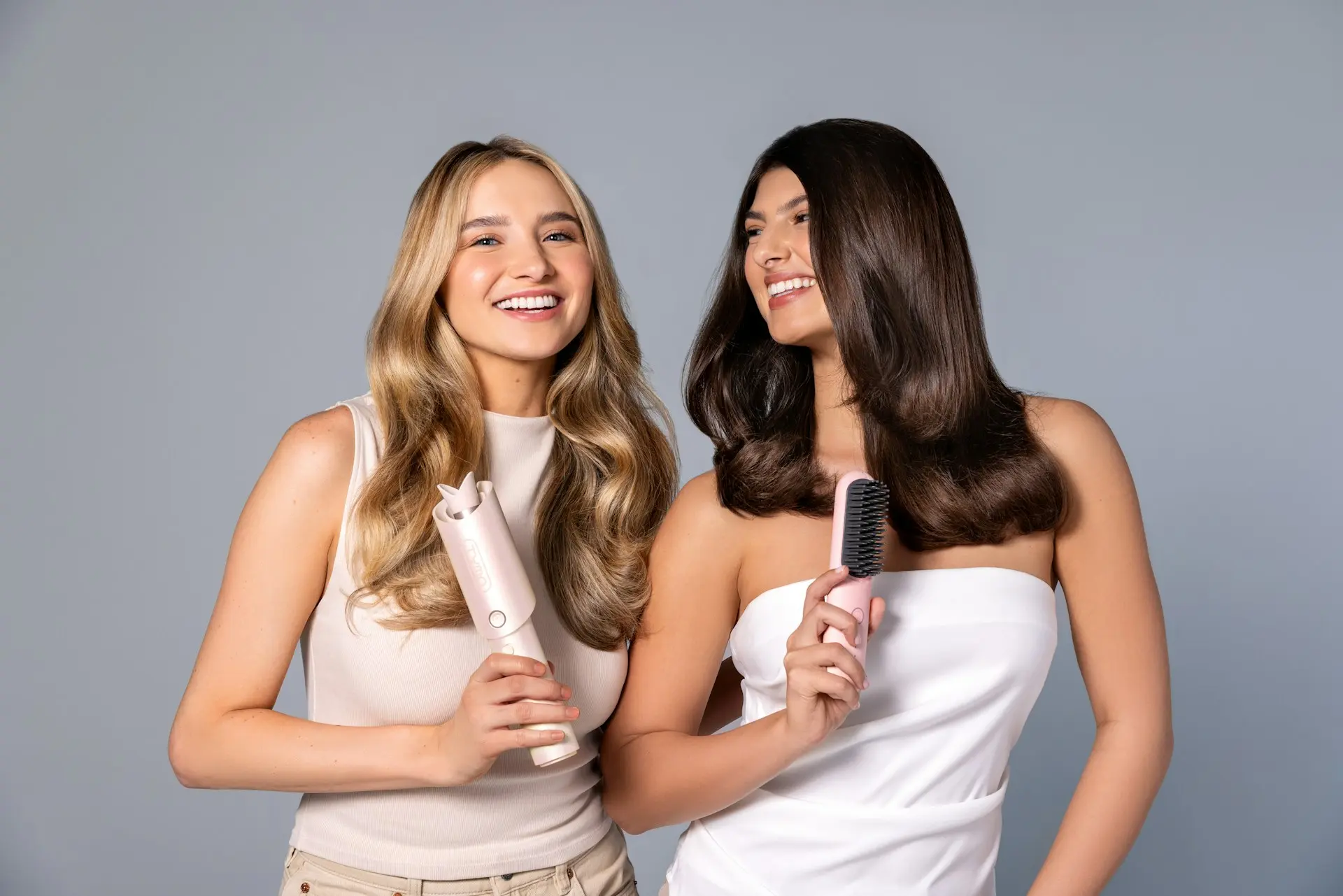
A thermal brush is extremely effective for its intended use. You can expect to easily achieve voluminous hair with less frizz. You can also lift your roots and create soft waves, resulting in the polished and bouncy blowout look many people love. However, don’t expect to attain the pin-straight, glossy finish of a flat iron. A thermal brush is specifically designed to avoid the high heat and pressure that the look requires.
The thermal brush is best for individuals who want a healthy, yet voluminous hairstyle. Rather than creating rigid, straight strands, your hair will look professionally cared for and finished. It is a perfect solution for stubborn frizz.
Top 3 Thermal Brushes on Amazon for a Frizz-Free Blowout
To give you the best recommendations, thermal brushes underwent a rigorous selection process. They were all compared based on material, temperature controls, user reviews, safety features and ease of use.
1. Wavytalk Thermal Brush Review
Get it on Amazon
Wavytalk lineup is a quintessential example among thermal brushes. This product’s negative ions work by sealing the hair cuticle, reducing frizz and adding shine to your hair. It has five levels of temperature settings, so you can control the amount of heat you desire when styling. Its tourmaline ceramic barrel is great for creating bouncy curls and chic bangs, thanks to even heating throughout.
2. K&K Mini Thermal Brush Review
Get it on Amazon
The best thing about the K&K Mini Thermal Brush is its compact form. Its 1-inch barrel makes it great for precise styling, such as with bangs and spiral waves. It is also powerful and can reach high temperatures, so it’s great for all hair types, including thick and coarse hair. Additionally, the brush features anti-scald bristles to help keep you safe when styling.
3. Amika Blowout Babe Thermal Ionic Hairbrush Review
Get it on Amazon
The Amika Blowout Babe Thermal Ionic Hairbrush has a 1.5-inch ceramic barrel that releases far-infrared heat, evenly heating your hair from the inside out. It has the capacity to reach 356º Fahrenheit and an ionic generator to ensure shiny and smooth results. Additionally, it has a swivel cord and 0.5-inch nylon bristles. The Amika brush is lightweight and easy to grip, making styling hassle-free.
Frequently Asked Questions
Here are the most commonly asked questions about thermal brushes.
What is the difference between a hot brush and a thermal brush?
They are often used interchangeably, but a thermal brush is technically nonelectric. It is a vented round brush that is used with a blow dryer. On the other hand, a hot brush or a heated brush is an electric appliance with its own heating element.
What's the best thermal brush for blowouts?
The best thermal brush will depend on your hair length and desired style. People with short and medium-length hair, or those looking to create tight curls, can use 1- to 1.5-inch barrels. Larger barrels, such as those 2 inches or more, are great for styling longer hair or for achieving softer and looser waves.
What's the best hot thermal brush for fine hair?
The most important feature for fine hair is temperature control with low settings. Brushes with ionic technology can reduce static, and a ceramic barrel offers gentle styling, even with heat.
Style Smarter, Not Harder
A high-quality thermal brush is a significantly healthier alternative to a flat iron, especially when used daily. You can use less heat and diffuse it. Additionally, a thermal brush offers ionic technology and lower temperatures while still being able to achieve a polished and voluminous look. This reduced reliance on heat helps ensure the long-term health and integrity of your hair.
If you found this post and reviews useful, share it and the products on TikTok!