

Body + Mind is reader-supported. We may earn an affiliate commission when you buy through some of the links on our site.
Have you ever considered that the secret to better running lay in weight training? Well, squats can make you a better runner. They can help you become faster off the ground and steadier through fatigue. The trick is choosing the right squat style and pairing it with runner-friendly strength work to build speed and durability.
You can think of squats as a tool to help you push harder. Done well, squats can help you produce more force into the ground. More force results in better speed and form as fatigue sets in. Done badly, they can leave your legs fatigued and stiff, so your runs feel like you’re dragging furniture.
You’ll get the most from squats when you treat them like runner support work. Two sessions per week usually hit the sweet spot. Keep your reps moderate and your form clean to make your runs feel a little easier. If your easy pace feels heavier for more than 24-48 hours after lifting, you’ll know you went too hard or too close to a key run.
Squats can help running since running is basically repeated single-leg mini squats at speed. So, when you build strength through a squat pattern, you usually develop better running force.
When you lift, you’re teaching your muscles and tendons to produce force quickly and repeatedly. That can improve running performance so you’re able to do the same pace with less effort. Research finds that heavy strength training and explosive strength work can improve running economy in endurance athletes.
Loads of running injuries come from the body simply hitting a load it cannot handle yet. Running-related injury rates tend to vary by experience level. One study reported the incidence of injury in recreational runners is 5.16 injuries per 1,000 hours.
A newer idea is also getting some attention worldwide. Single-run distance spikes can drive injury risk. Research found that risk rises when a single session exceeds 10% of your longest run from the last 30 days.
Squats won’t fix a chaotic run plan, but they can help you tolerate training by giving you more resilient legs, fewer weird aches and better bounce.
In short, yes. Squats build coordination, control and basic strength. They’re also easy to recover from, which is important when you’re more interested in the running than the lifting. Squats shine when you want consistency with minimal soreness. They help you:
If you’re newer to strength work, this alone can move the needle. It’s simple and repeatable, which will help you in the long run.
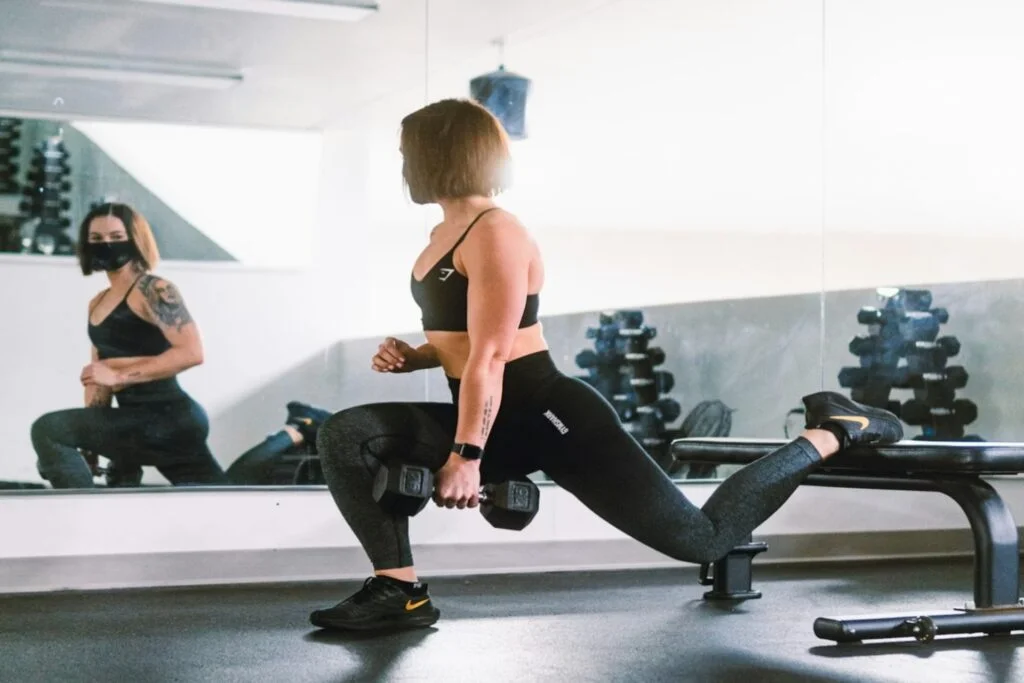
Bodyweight work has a ceiling. You’ll feel it when sets of 15-20 reps feel easy and your breathing is fine. At that point, your strength gains slow down. For a smooth progression, go from a bodyweight squat to a goblet squat.
When your goblet squat starts to feel easy, you can transition to a split squat and then slowly into front squats. You will still get the running benefits while giving your body reasons to continue adapting.
Squats train push and posture, while deadlifts train your “backside power” so your stride feels springier and less sloppy later on in the run.
Squats help you stay tall when fatigue tries to fold you in half. That’s important for speed since a collapsed posture often means a shorter stride and less punch off the ground. Squats also build knee control when you keep your knees tracking over your toes. Think of it like steering at speed.
Deadlifts help with hip extension. That’s your engine for hills, sprints and strong push-off. You don’t need to pull max weight to get the benefit. You just want clean reps and steady progression.
Here’s the part that actually fits into your week. You don’t need a full-bodybuilding split, but having a simple menu to support your running can make things easier.
Aim for two strength training sessions per week and keep them between 30 and 45 minutes. It’s also important that you schedule your training on days when they’re not going to wreck your runs. Here’s a practical setup:
About 80% of your weekly running should be easy. 20% is faster work. Many runners use this to manage fatigue and keep quality sessions sharp. Since many of these easy runs take place outdoors, they serve a dual purpose for recovery and mental health, as studies have shown that even five minutes of exposure to natural environments increases feelings of well-being.
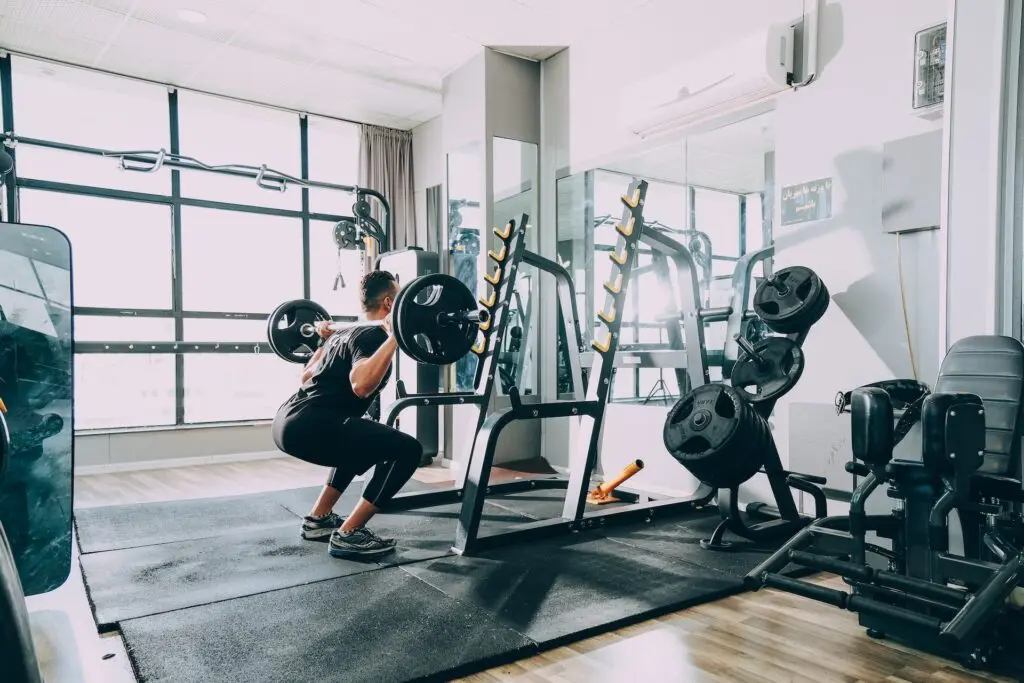
Better squat form tends to mean better alignment. Better alignment tends to mean fewer cranky knees and hips. Also, you look calmer and more athletic, which is a huge bonus. Keep your cues simple and repeat them:
If your heels tend to pop up, elevate them slightly with small plates or work on your ankle mobility over time.
Yes, they do. Adding some strength training into your weekly workout rotation can help your runs feel easier and the same pace feel much more doable.
Maybe, but usually no. Squats alone can grow your legs if you train hard enough with progressive load, plenty of food and enough rest. Most runners do not hit that combo because they’re spending energy on mileage.
Split squats, goblet squats and front squats are all great options, but split squats might be the best option since they mimic the demands of running.

Squats do help with running when they support your training rather than steal from it. Keep your squat work simple and then let your runs do their job. You’ll notice the small improvements over time.
Your email address will only be used to send you our newsletter, and at any time you may unsubscribe. For more information, see our Privacy Policy.
