
Body + Mind is reader-supported. We may earn an affiliate commission when you buy through some of the links on our site.
Getting stronger can be as simple as using what you have and starting where you are. Calisthenics allows you to do just that. This simple system requires little to no equipment yet is effective enough to support long-term health. It’s a practical way to train both your body and mind.
Calisthenics is a type of strength training that uses your body weight instead of equipment as a form of resistance. Common calisthenics movements include pushing, pulling, squatting and holding positions.
What makes this type of training stand out is how accessible it is while still delivering health and fitness benefits. You don’t need exercise machines or a gym membership, just some space to move.
Aside from building your muscles, calisthenics also allows you to strengthen your focus and balance as you control every movement. With repeated workouts over time, you feel stronger and more connected to how your body moves.
If you’re new to the practice, these calisthenics workouts with no equipment can help you learn the basics without having to invest a lot of time and equipment.
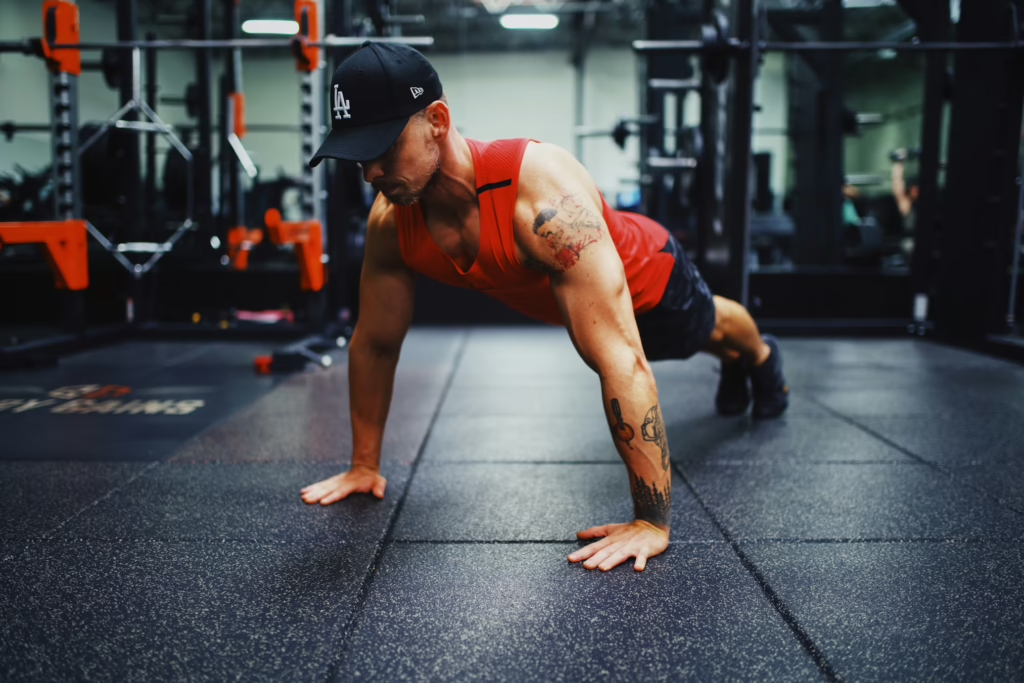
Push-ups train your chest, shoulders, arms and core in one movement. They also help improve overall stability. Keep your body in a straight line from head to heels. Lower yourself slowly, then push back up with control.
If this move feels too hard, you can modify it by placing your knees on the ground or pushing up vertically against the wall. You can then build toward performing a full push-up through practice.
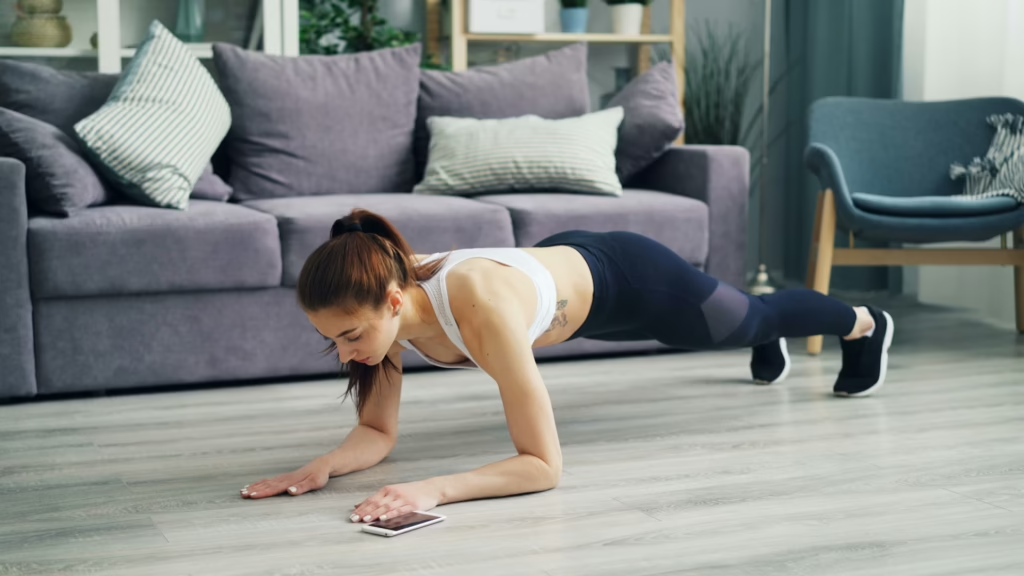
Planks require focus and control. While it mainly targets the core, it can also be a full-body exercise, especially when you engage your arms, shoulders, lower back and glutes to maintain stability. Keep your hips level and avoid letting your lower back sag.
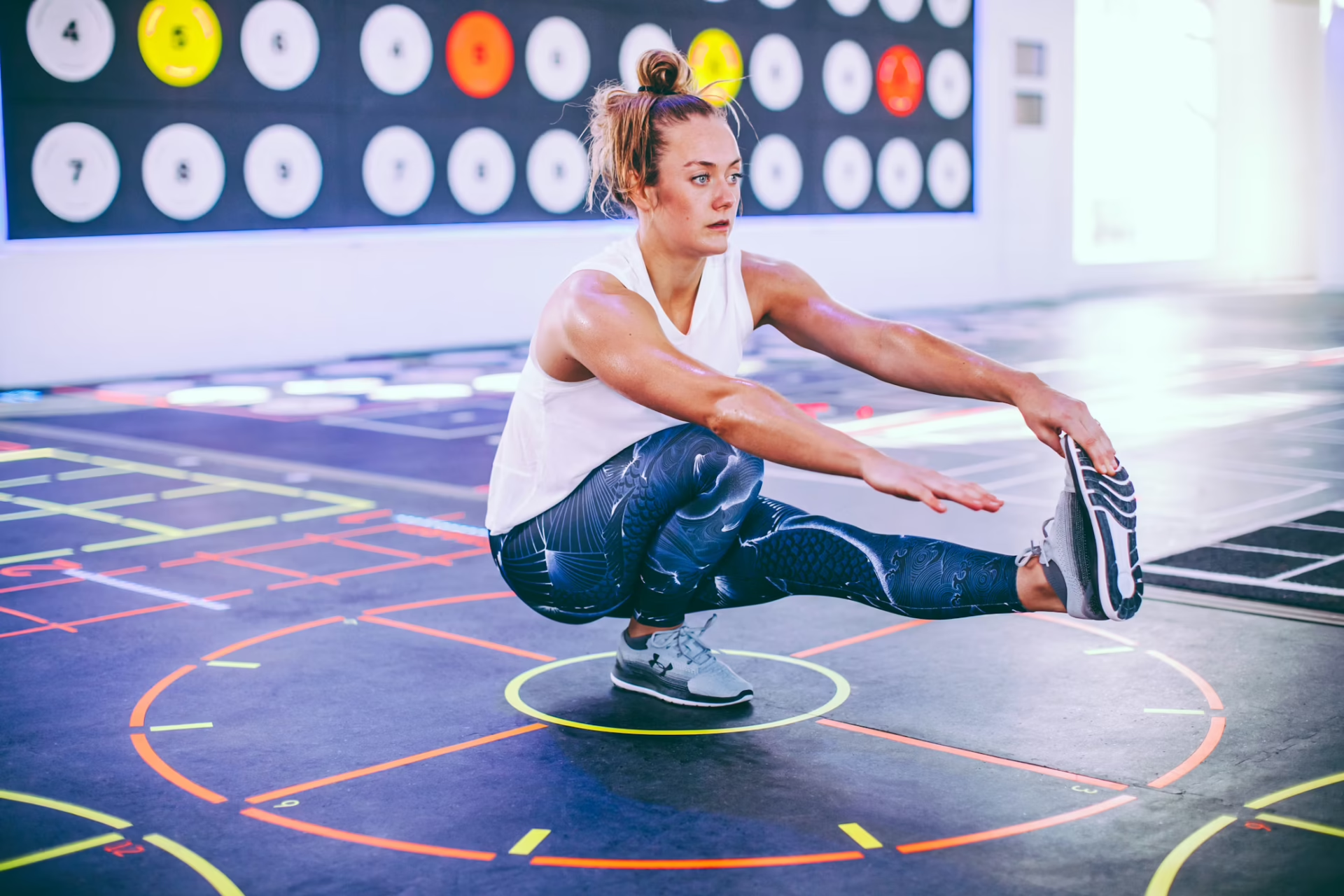
Squats strengthen your legs and glutes while improving mobility. Lower your body as if you’re sitting in a chair while keeping your chest up and your weight in your heels. Move slowly to stay in control and work your muscles more.
This exercise targets your deep core muscles and improves body control. Lie on your back, lift your shoulders and legs slightly, and keep your lower back pressed into the floor. Start with short holds and increase the duration over time.
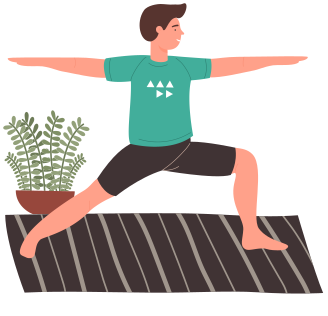
Lunges help build strength in each leg while improving balance and coordination. Step forward, lower your body until both knees are bent, then push back up. Keep your movements steady and your body aligned to avoid strain.
Even though you can do some calisthenics exercises without equipment, a few simple tools can expand your workouts. You can use furniture, household items or outdoor facilities to improve your circuits.
Rows target your upper back, shoulders and arms. They help improve your posture and balance out pushing exercises like push-ups. You can do rows using a low bar, rings, a sturdy table or even a doorway. Keep your body straight and pull your chest toward the bar or edge with control.
Pull-ups are another staple calisthenics exercise. They build strength in your back and arms. If you’re just starting out, it’s okay if you can’t do a full pull-up yet. You can start with assisted versions, like using a resistance band to support your legs. You can also start with just hanging from the bar with the proper form and getting used to the feeling and the motion.
Dips focus on your triceps and shoulders. They’re great for building upper-body strength. You can use parallel bars, a bench or a sturdy chair. Lower yourself slowly, keeping your shoulders stable until your elbows create a 90-degree angle. Then, push back up and repeat the motion.
Here are some of the ways calisthenics helps your everyday life.
Calisthenics trains your body to move as one unit. While muscle isolation is possible, calisthenics mostly builds strength through natural movement patterns.
This makes everyday tasks easier, like carrying groceries or climbing stairs. Research has also shown that breaking sedentary patterns with calisthenics can increase muscle strength and improve balance, which are essential for moving through the world comfortably.
Flexibility is one of the biggest advantages of calisthenics. You can work out almost anywhere without having to plan your day around it. With this flexibility, you don’t have to struggle too much with time and cost, making it easier to stay consistent.
Most body weight exercises move your joints through a full range of motion, improving flexibility and reducing stiffness. Movements like squats and lunges support long-term joint health, especially if you spend a lot of time sitting during the day.
Consistency builds real results. These simple habits will help you train smarter and keep improving over the long term.
Start each session with light movement to get your blood flowing and your joints ready. This step can include arm circles, wrist stretches or a few easy reps of each exercise. A proper warm-up helps you move better and lowers your risk of injury.
It’s better to do fewer reps with good form than to rush through a lot with poor control. Focus on slow, steady movements and proper alignment. This approach helps you build strength effectively while also protecting you from injury.
Rest days are just as important as workout days. Your muscles repair and grow stronger during recovery, so it’s crucial to give your body time to recover, especially if you feel sore or tired.
Keep a simple record of your workouts. Note the exercises you used, how many reps you did, how long you held a position or how you felt during the session. Small improvements add up, and tracking them helps you stay consistent and motivated.
Calisthenics keeps fitness simple and sustainable. With just a few basic movements, you can build strength that you can use in everyday life and improve your health. Start where you are and keep showing up. Eventually, you’ll notice a significant impact on both your physical and mental health.
Your email address will only be used to send you our newsletter, and at any time you may unsubscribe. For more information, see our Privacy Policy.
