
Body + Mind is reader-supported. We may earn an affiliate commission when you buy through some of the links on our site.
You know the feeling. One moment you’re fine and the next you’re battling mood swings, exhaustion or hot flashes. These frustrating symptoms often point to hormonal imbalances affecting your daily life. Ashwagandha, an ancient Ayurvedic herb, is gaining recognition for its potential to support women’s hormonal health. Learn how ashwagandha benefits for females may help bring balance back to your body and mind.
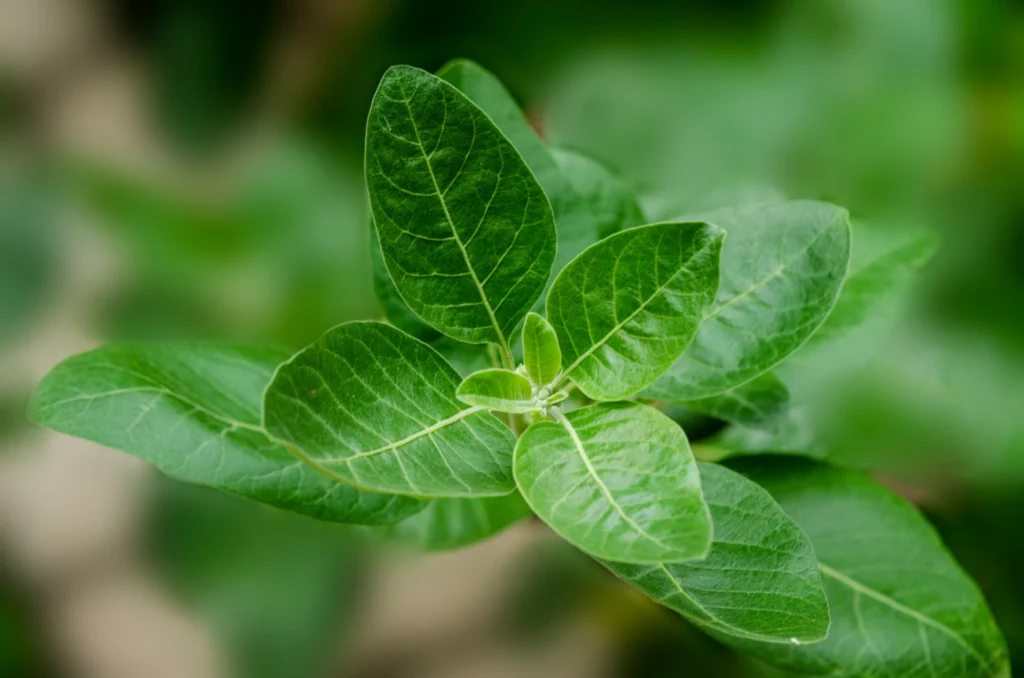
Ashwagandha is a small evergreen shrub native to India, the Middle East and parts of Africa. Sometimes called Indian ginseng or winter cherry, this plant has been central to Ayurvedic medicine for thousands of years. Practitioners classify it as a Rasayana, which means rejuvenator. Traditional healers have used it to promote longevity, boost vitality and ease stress.
The name comes from two Sanskrit words meaning “smell of the horse.” While the root has a distinctive earthy scent, the name reflects the belief that consuming it gives you the strength and stamina of a horse. Modern research is exploring what ancient healers long suspected. The herb shows promise as a natural supplement for women who want help with hormonal imbalances and support for overall wellness.
Evidence suggests that ashwagandha can ease common premenstrual syndrome (PMS) symptoms like mood swings, stress and fatigue. It works by helping regulate reproductive hormones, including follicle-stimulating hormone, luteinizing hormone and gonadotropins. These hormones play crucial roles in your menstrual cycle.
By lowering cortisol levels, it may prevent elevated stress that often makes PMS symptoms worse. Many women find it helpful for soothing menstrual cramps and improving sleep quality during their cycle. Its anti-inflammatory effects may reduce uncomfortable symptoms like fluid retention and breast tenderness. These ashwagandha benefits for females make it worth considering as part of your monthly wellness routine.
Hot flashes, sleep disturbances and anxiety are hallmarks of perimenopause and menopause that can seriously disrupt your quality of life. A randomized, double-blind, placebo-controlled study examined Ashwagandha root extract for menopausal women. The results were encouraging. Women taking it experienced significant improvements in reducing psychological and urogenital symptoms compared to those taking a placebo.
The study also found improvements in hormone levels and overall quality of life. Hot flashes decreased in frequency and intensity. Participants reported feeling less stressed and more capable of handling daily challenges. These findings suggest the herb could be a valuable tool for navigating this transitional phase with more ease.
Sexual wellness is an important part of overall health and ashwagandha may offer support in this area, too. A 2023 review of studies involving healthy women found that consuming the root extract positively impacts sexual function. Compared to women taking a placebo, those using it experienced significantly increased sexual arousal along with improvements in lubrication and the ability to achieve orgasm.
Researchers also noted an increase in the frequency of satisfying sexual encounters among women taking the supplement. These ashwagandha benefits for females may stem from the herb’s ability to reduce stress and anxiety, both of which can interfere with sexual desire and response. When you feel more relaxed and balanced, intimacy often becomes more enjoyable.

Poor sleep and high stress often go hand in hand with hormonal imbalances. A 2026 study focused specifically on women and a particular ashwagandha extract called Shoden. This all-female clinical study found that the extract helps balance cortisol levels and improves sleep quality and mood in women dealing with stress.
When cortisol levels are chronically elevated, you may struggle to fall asleep, stay asleep or wake feeling rested. By helping regulate this stress hormone, the supplement can support more restorative sleep. Better sleep then creates a positive cycle where you feel more emotionally balanced and mentally sharp during the day.
Understanding how the herb works can help you appreciate why it might benefit your hormonal health. It is classified as an adaptogen, which means it helps your body adapt to stress by increasing the body’s resilience against stressors.
When your nervous system functions smoothly, your cortisol levels stay balanced. Lower cortisol means less interference with other hormones like estrogen and progesterone. The herb also supports your endocrine system, the network of glands that produces and regulates all your hormones. By calming inflammation and providing antioxidant protection, it creates an environment where your hormones can function more effectively.
If you’re ready to try ashwagandha benefits for females yourself, choosing a quality supplement matters. Here’s what to look for:
Ashwagandha comes in several forms. Capsules and tablets offer convenience and precise dosing. Powders can be mixed into smoothies or warm milk for a traditional preparation. Some people prefer liquid extracts for faster absorption. Start with the lower end of the dosage range and give your body at least a few weeks to respond before increasing.
While generally well-tolerated, certain people should exercise caution or avoid ashwagandha altogether. Check with your healthcare provider before using this supplement if you have:
Ashwagandha belongs to the nightshade family, which can be inflammatory for some people, so avoid it if you are sensitive to nightshades.
Most people experience no side effects, but some report mild digestive upset, drowsiness or headaches when first starting. If you’re taking sedatives or sleep medications, the herb might enhance their effects.
Current medical advice recommends avoiding ashwagandha during pregnancy. However, research in this area is evolving. A 2026 randomized, comparative, open-label, 12-week study evaluated the safety and efficacy of the root extract in pregnant women during their second trimester. The study found that supplementation improved hemoglobin levels, reduced perceived stress and improved sleep quality with no adverse effects reported during the trial.
While this is promising, more research is needed before it can be considered safe for routine use during pregnancy. If you’re pregnant or planning to become pregnant, always consult your doctor before taking any herbal supplement.

Here are answers to common questions about this herb and hormonal health.
Ashwagandha may ease several common PMS symptoms, including mood swings, stress and fatigue. It can help soothe menstrual cramps, reduce fluid retention and ease breast tenderness. The mood-stabilizing properties may reduce irritability, while anti-inflammatory effects can help with lower back pain. Many women also find it improves their sleep quality during their cycle.
Ashwagandha isn’t suitable for everyone. You should check with your healthcare provider before using it if you have thyroid conditions, autoimmune disorders, diabetes, blood pressure concerns or liver disease. Current medical advice recommends avoiding it during pregnancy, though research in this area is evolving.
Look for products that specify root extract rather than leaf extract, as most research uses the root. The supplement should contain at least 5% standardized withanolides, which are the active compounds. Choose brands with third-party testing for purity and potency.
Ashwagandha offers a time-tested approach to supporting women’s hormonal health. From easing PMS symptoms and smoothing the menopausal transition to improving sleep and sexual wellness, it addresses many concerns women face. Research continues to validate what Ayurvedic practitioners have known for centuries. Discover ashwagandha benefits for females yourself and see if it works for you.

Your email address will only be used to send you our newsletter, and at any time you may unsubscribe. For more information, see our Privacy Policy.
