


Body + Mind is reader-supported. We may earn an affiliate commission when you buy through some of the links on our site.
You’re scrolling through Instagram when you notice a photo of someone holding hands with a mystery person. No faces, no tags, no official announcement. Welcome to the world of the soft launch relationship. This trend has exploded across social media, especially among millennials and Gen Z. Instead of posting a full couple reveal, people hint that they’re dating someone through subtle photos, stories or captions. But is this a healthy way to protect a new relationship, or is it a sign that something is being hidden?
A soft launch relationship is when you gradually reveal that you’re seeing someone without fully introducing them online. Think coffee cups across the table, a shoulder in a selfie or a vacation photo where only one person is visible. The original soft launch meaning basically comes from marketing.
Companies often “soft launch” a product to a small audience before a big public release. In dating, the idea is similar. You share a hint of the relationship without making a formal announcement. The opposite is a hard launch, which is an explicit public declaration, such as posting a couple of photos with names, tags and a clear caption like “My boyfriend” or “My girlfriend.”

Many people choose a soft launch because they want privacy, not secrecy. New relationships are often emotionally intense, and posting too soon can invite questions, opinions and pressure from friends, family and strangers.
Spending too much time on social media can make people feel inadequate, dissatisfied and lonely, and it can also worsen symptoms of depression, anxiety and stress. These negative effects make soft launching a logical idea that may actually support emotional and mental health.
A soft launch can reduce the pressure to perform in an online relationship. Instead of curating a perfect couple image, you can focus on building a connection offline. This approach keeps you from obsessing over likes, comments and comparisons. Spending less energy managing an online image can leave more energy for communication, sleep, exercise, friendships and other habits that support well-being
Another reason is simple self-protection. If a relationship ends after a few weeks, many people would rather not explain the disappearance of couple photos to everyone who follows them.
A soft launch is often a healthy choice when both partners agree and understand the rationale. Imagine you’ve been dating for two months. Things feel promising, but you’re still learning about each other’s values, routines and goals. You decide together to keep the relationship mostly offline until it feels more established. That’s a boundary, not a warning sign.
It can also be especially reasonable if one partner has a public-facing job. That’s why some celebrities choose a soft launch. This approach also works if one of the parties has children whose privacy they protect or has previously experienced online harassment. In these cases, limiting exposure can be a practical wellness decision. The impact on relationship health often depends on motives, communication and mutual understanding rather than the posting style itself.
A soft launch becomes concerning when it feels one-sided, indefinite or secretive. If you’ve been dating for many months and your partner refuses to acknowledge your existence publicly in any context, it’s worth asking why.
Red flags include situations where your partner asks you not to mention the relationship to anyone, becomes defensive when you discuss public acknowledgment or presents themselves as single online despite being committed to you. The key question is “Are we acknowledged?” Healthy relationships can be private. Unhealthy relationships often require secrecy.

If you decide to soft launch, treat it as a relationship conversation rather than a social media strategy. The healthiest approach is collaborative and transparent. A few simple considerations can help:
Think of a soft launch as a shared boundary, not a test. If one person wants privacy and the other wants public acknowledgment, neither preference is automatically wrong. Effective communication is the pillar of healthy relationships, so the important part is whether you can negotiate a solution that respects both parties.
The short answer is no. Some couples rarely use social media and don’t care about launches of any kind. For them, the entire soft-launch-versus-hard-launch debate is irrelevant. Others enjoy sharing their relationship openly from the beginning and experience no negative effects.
Relationship satisfaction is usually influenced far more by communication, trust, conflict resolution and emotional support than by whether you posted a hand-holding photo. This is an important wellness reminder — don’t judge your relationship’s health by comparing it to someone else’s Instagram timeline.
If you’re wondering whether your own soft launch relationship is healthy, ask yourself these questions:
If your answers are mostly yes, your soft launch is likely functioning as a healthy boundary. If several answers are no, it may be time for an honest conversation.
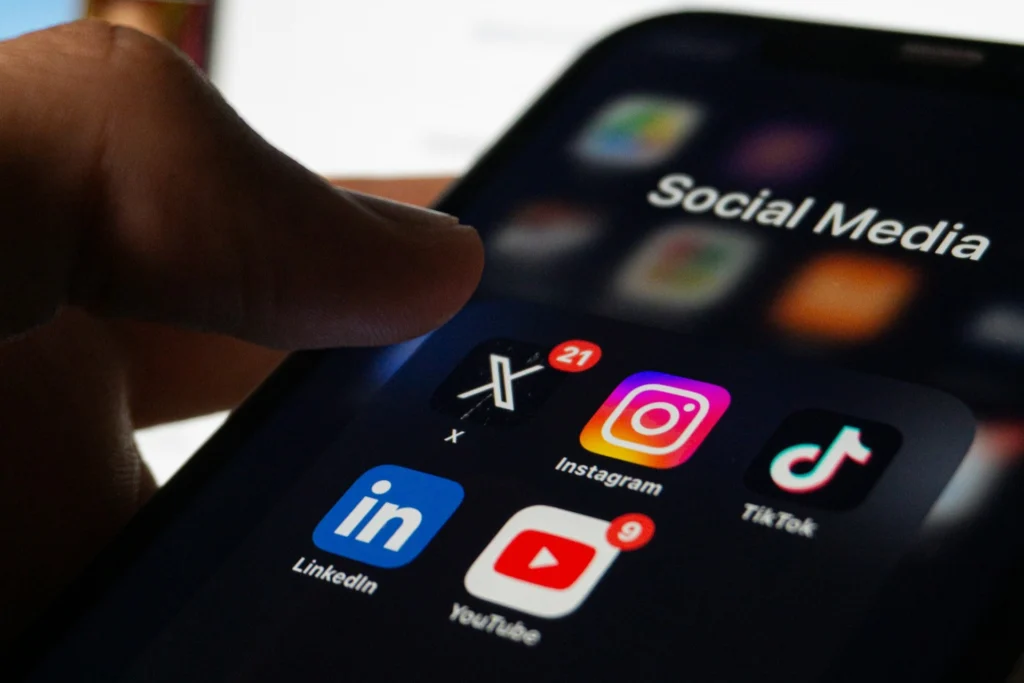
Mental health professionals generally emphasize intentional social media use rather than any single posting rule. A healthier relationship with social media doesn’t mean you have to stop using it completely. Real improvement comes from understanding your emotional reactions, being aware of online social dynamics and setting firm boundaries.
Some effective methods include managing your feed to avoid distressing content, reducing time spent aimlessly scrolling, turning off notifications that aren’t essential and putting devices away for a period before you go to sleep. It is better for your emotional and social health to prioritize active use, such as messaging people directly, having mutual conversations, or creating content with a specific purpose.
Mindfulness can help you recognize when you’re feeling tired, anxious or distressed from comparing yourself to others. It can also help you notice if your patience, empathy, or communication style are changing. Acting on these signs by taking a break or doing something different helps you regulate your emotions and maintain your psychological and social well-being.
A soft launch relationship is neither automatically a smart move nor automatically a red flag. It is simply a way of managing visibility. The real issue is the intention behind it. Choose a soft launch if it helps you protect your peace, reduce social pressure and build a stronger connection offline. Question it if it leaves you feeling hidden, uncertain or unimportant. The healthiest relationships are not defined by how quickly they appear on social media, but by mutual respect, honest communication, emotional safety and shared decisions.

Your email address will only be used to send you our newsletter, and at any time you may unsubscribe. For more information, see our Privacy Policy.
