

Body + Mind is reader-supported. We may earn an affiliate commission when you buy through some of the links on our site.
You wash your face and body without a second thought, but your scalp probably isn’t getting the same treatment. A scalp detox clears away oil, dead skin and leftover product so your hair can grow the way it’s meant to. You don’t need a salon appointment to start, though you can choose one if your scalp needs more than a home routine. Either way, healthier hair starts at the root.
A scalp detox is exactly what it sounds like — a deep clean for the skin under your hair, not just the hair itself. Over time, your scalp collects natural oil, dead skin cells, sweat and whatever styling products you use. Dry shampoo, gel and hairspray all build up at the root eventually.
Think about how you already treat your face. You wash it and exfoliate it every so often, and you would never expect it to look its best after months of neglect. Your scalp works the same way, except it’s easy to forget it’s skin too. A scalp detox clears that buildup so your follicles can breathe and your hair can grow the way it’s supposed to, instead of fighting through a layer of residue to get there.

Rachel D’Angelo, a licensed cosmetologist and the founder of BeautiSoul Consulting, sees this clearly. “Think of it this way, you wouldn’t skip exfoliating your face or body for six months and expect it to look its best. The scalp is really no different. Product buildup, excess oil, and lack of circulation all affect the quality of the hair that grows from it. A simple one I always recommended to clients: a clarifying shampoo every one to two weeks, depending on your hair. Or visit your local salon for a scalp treatment.”
The science backs her up. A 2025 review of the imbalanced hair follicle microbiome found that it plays a role in dandruff and irritation, the same buildup-related issues a regular detox helps prevent. When residue sits on the scalp too long, it can throw that balance off, which shows up as dull strands, slower growth or an oilier look just a day or two after washing.
Not sure if you actually need one? Your scalp usually tells you before your hair does. Flat, greasy roots by the second day after washing, visible flakes that aren’t quite dandruff, an itchy or tight feeling and hair that looks dull no matter what you do to it are all common signs of buildup.
Say you work out at lunch most days and only wash your hair every other morning. By day two, your roots go flat and slightly shiny near the part, and it’s tempting to blame oily hair genetics when the real cause is sweat and product sitting on the scalp overnight. In fact, product residue can irritate the scalp more than most people realize, showing up as dryness, itchiness or ongoing discomfort that has nothing to do with your natural scalp type. If any of that sounds familiar, it might be time to reset.
The process of doing a scalp detox at home is simpler than most people expect, and whatever is already in your shower is probably enough to see a difference.
Your hair type changes the timeline more than the steps. If you have fine, straight, oily hair, a weekly clarifying shampoo probably fits your routine better than the every-other-week default. If your hair is coarse, curly or color-treated, stretch that out to once every three to four weeks and follow up with a deep conditioner, since clarifying formulas strip moisture faster on drier hair types.
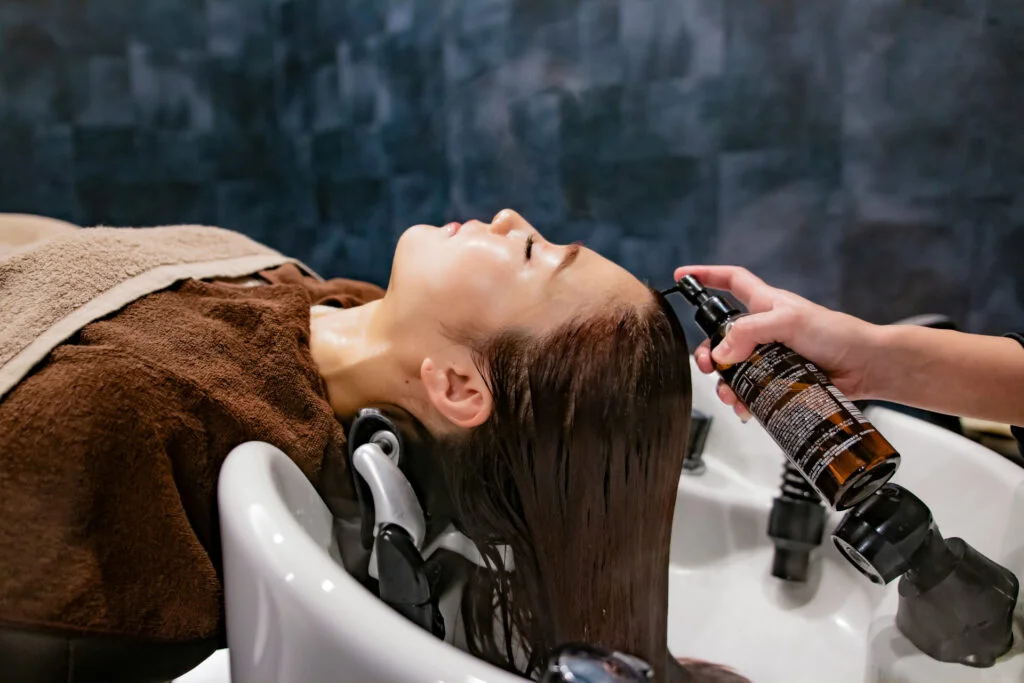
A home routine handles most everyday buildup, but there’s a real case for choosing the salon route instead, especially if flaking, thinning or irritation stick around no matter what you try at home.
Picture a typical scalp treatment appointment. Your stylist starts with a warm steam or towel treatment to loosen debris and open the pores, follows with an exfoliating scalp scrub, then finishes with a massage using a treatment oil or serum built to calm irritation and support circulation. The whole visit usually runs 20 to 30 minutes and can be added onto a regular color or cut appointment. If your scalp needs more attention than a weekly clarifying shampoo gives it, this is the option worth booking.
None of this is just folk wisdom. A 2023 peer-reviewed study comparing scalp and hair follicle samples found differences in bacterial and fungal balance between healthy scalps and those affected by hair and scalp conditions, underscoring how closely the scalp environment and hair outcomes are linked. None of that means you need a lab test before washing your hair. It just means the extra two minutes you spend on a clarifying shampoo or scalp massage are doing more than they get credit for.
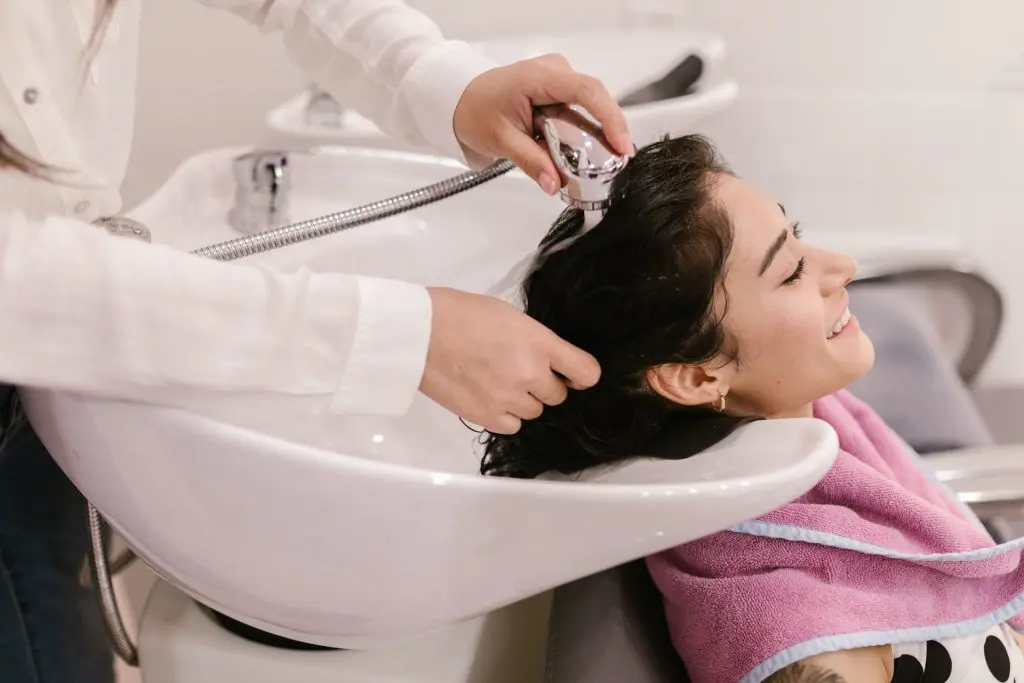
Your hair takes its cues from what’s happening at the root, not just what’s happening at the ends. Whether you reach for a clarifying shampoo tonight or book a salon scalp treatment next week, you’re working toward the same result — less buildup, more circulation and healthier hair over time. A few small swaps to your existing routine are enough. Give your scalp the same attention you already give the rest of your skin, and let your hair catch up from there.

Your email address will only be used to send you our newsletter, and at any time you may unsubscribe. For more information, see our Privacy Policy.
