
Body + Mind is reader-supported. We may earn an affiliate commission when you buy through some of the links on our site.
You’ve probably wondered how to make bath salts at some point — usually right after looking at a tiny $40 jar and thinking, “This can’t be that complicated.” The good news is that it isn’t. Once you understand the basic ingredients and why to use them, you can create blends that feel better, smell fantastic and actually suit your body’s needs. The best part is that you’re not stuck with whatever someone else decided to put in the mix.
Long before bath bombs and spa playlists, people relied on mineral-rich water for healing. This practice, which often heals skin ailments, is known as balneotherapy and involves soaking in mineral-rich water. It dates back to ancient Greece and Rome, where public baths served as spaces for hygiene, socializing and recovery.
What you do when you mix soaking salts at home taps into the same idea that minerals and water support body and mind. The difference is that you control every ingredient that goes into your soak.
Store-bought bath salts often come with a premium price tag and a long list of ingredients you didn’t choose. Making your own shifts the balance.
You decide what touches your skin, which means you can skip artificial dyes and heavy fragrances. You also do the planet a favor by skipping packaging that ends up in the bin. Another overlooked benefit is the process itself. It slows you down as you measure, mix and choose scents as part of your ritual, instead of thoughtlessly chucking a handful of store-bought crystals into your bath.
Before you start mixing anything, it helps to understand what each ingredient brings to the bath, because not all salts, oils and add-ins work the same way.
If you’re wondering how to make a homemade soak blend, you start with Epsom salt.
| Salts | Difference per Type |
| Epsom salt or magnesium sulfate | Known for easing muscle tension and supporting recovery after workouts. It dissolves quickly and doesn’t leave a gritty residue. |
| Sea salt | Contains trace minerals that support skin health and promote gentle exfoliation. |
| Himalayan pink salt | Adds visual appeal and contains small amounts of 84 different minerals, such as calcium and potassium. |
| Dead Sea salt | Packed with magnesium, potassium and bromine, it may help soothe conditions like eczema and psoriasis. |
Blending a few types can give you a more balanced soak. As with any ingredient, it’s important to buy from a reputable supplier to avoid contamination. Pink salt may contain trace amounts of heavy metals, which vary depending on the supplier and source.
Fine grains dissolve rapidly and release minerals quickly. Coarse grains dissolve slowly and add texture to the mix for a more aesthetic result. A mix of both works best. You get immediate benefits and a longer-lasting soak.
Your recipe will likely include other beneficial ingredients, such as these:
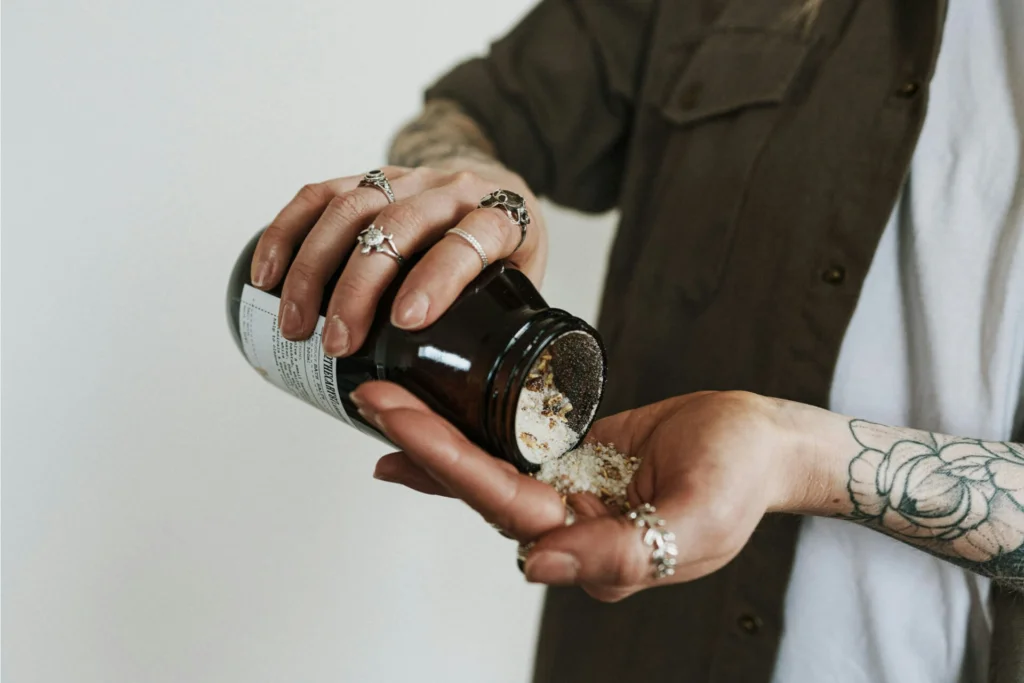
With your base in place, the next step is shaping how your bath actually smells, and how that scent makes you feel.
Making homemade bath salts requires the best ingredients, and choosing pure essential oils is vital to avoid exposure to harmful chemicals found in inferior products. Pure essential distillations have real therapeutic benefits. Synthetic fragrance products mostly add scent. Look for oils labeled as 100% pure and avoid anything that smells overly sweet or artificial.
Think of your bath blend the same way you’d build a fragrance. You’re layering notes that work together. While you can opt for purely functional blends, you can definitely create your own signature scent with distillations that offer floral or amber aromas, like vanilla, cinnamon or frankincense.
Results you may pursue include:
Science backs the healing properties of many oils, including oregano, myrrh, lavender, clove, cinnamon and geranium.
While you can use the basic formula that contains Epsom salt, sea or Himalayan salt and baking soda — which is optional — you can also add in combinations of essential oils and dried herbs. These are your winning recipes.
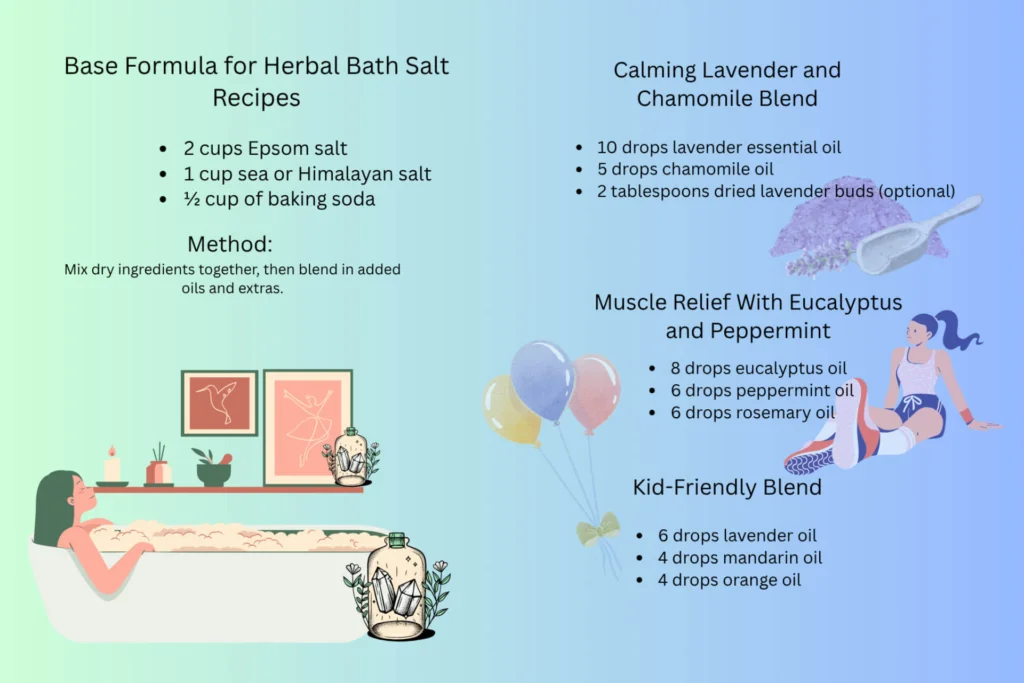
Try the calming blend before bed after a long day when your mind is restless and feel yourself unwind as you soak. Use the muscle relief one after hitting the gym or when your body feels tight. The kids’ one is extra fun, and you can add a small amount of organic food coloring to brighten it up. Whichever recipe you choose, always start with a small amount in your bath to try it out and check for allergic reactions.
Pour half to a full cup of your mixture into warm, running water. Let it dissolve before getting in. Aim for a 15-20 minute soak, giving your body time to absorb the minerals and relax. After your bath, rinse lightly if needed and towel dry before applying a moisturizer. Salt can leave your skin slightly dry, especially if you soak for a long time or often.
Keep your salt container closed while you bathe. Steam can cause clumping if moisture gets inside.
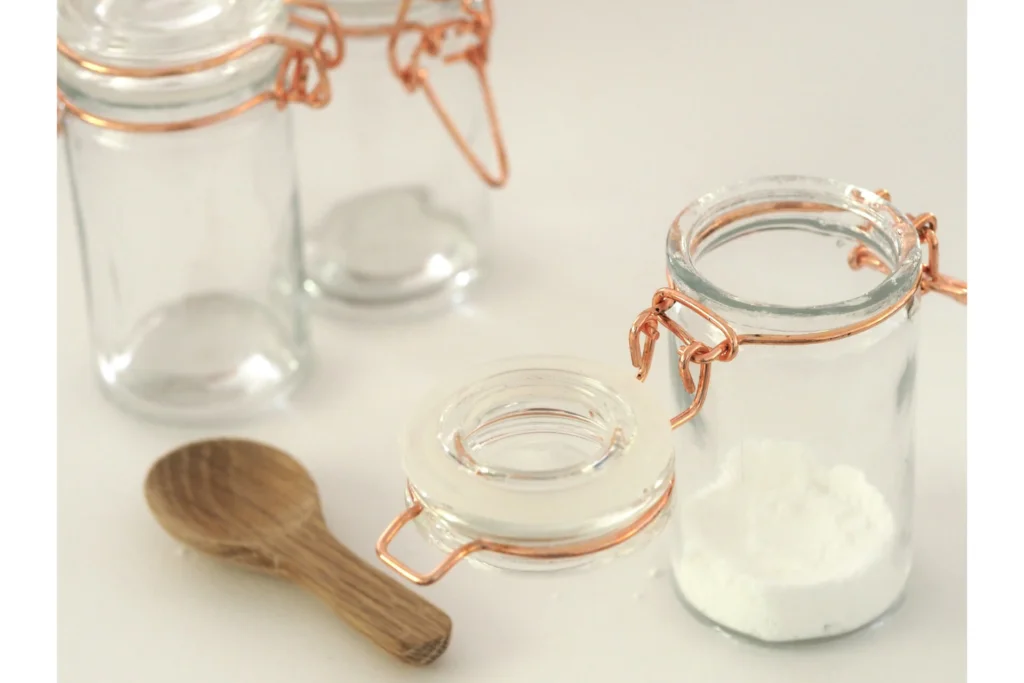
Once your soaking blends are mixed, how you store and package them matters more than you might expect, especially if you want them to last.
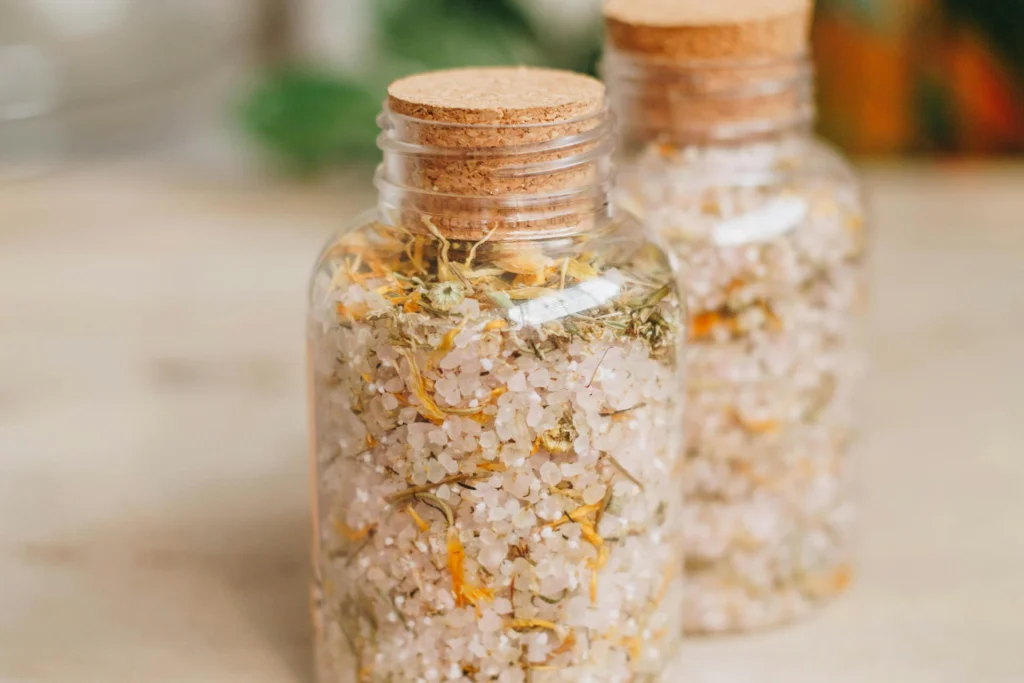
Store your mix in an airtight glass jar to preserve freshness. Moisture is the main enemy. Keep it in a cool and dry place, and note that the baking soda may react with the fluids and could cause airtight containers to crack or explode. If you have a lot of oil and baking soda in your mix, puncture a small hole in the lid to release the pressure.
Most DIY bath mixes last six months to a year. Essential oils may fade slightly over time, but the salt still remains effective.
If you’re learning how to make soaking salts to sell, presentation matters. Use clear or amber glass jars and add simple labels with ingredients and instructions. Include a small scoop or wooden spoon for measuring. Keep the designs clean and consistent for a more professional look that builds trust with your clients and loved ones.
Combine Epsom salt, another salt like sea or Himalayan, baking soda and essential oils. Mix well and store in an airtight container.
Most recipes use Epsom salt, sea or Himalayan salt, baking soda and essential oils. Extras like dried herbs and carriers or essential distillations are optional.
When stored in a sealed container in a cool place, they can last six months to a year. Keep it sealed away from moisture.
It depends on your goal. Epsom salt works well for muscle relief, while Dead Sea salt supports skin concerns.
Table salt isn’t ideal. It’s heavily processed and lacks the beneficial minerals found in other salts. It can also feel harsh on your skin.
You don’t need a complicated setup or expensive ingredients to create something that feels good and natural. A few thoughtful choices, such as salt type, scent and texture, can turn a simple bath into something restorative and personal.

Your email address will only be used to send you our newsletter, and at any time you may unsubscribe. For more information, see our Privacy Policy.
