
Body + Mind is reader-supported. We may earn an affiliate commission when you buy through some of the links on our site.
Between juggling work deadlines, family responsibilities and endless to-do lists, it’s easy to feel like your body and mind are running on fumes. Add in the pressure to crush high-intensity workouts, and exercise can start to feel like one more burden. What if there was a gentler way? Discover how a tai chi workout can calm your mind while strengthening your body.

If you’re burned out from the relentless pace of modern life, a tai chi workout plan might be exactly what you need. This ancient practice isn’t about pushing harder or going faster. It’s about slowing down, tuning in and finding balance in both your body and your mind. Tai chi takes a different approach—one that prioritizes how you feel over how you look.
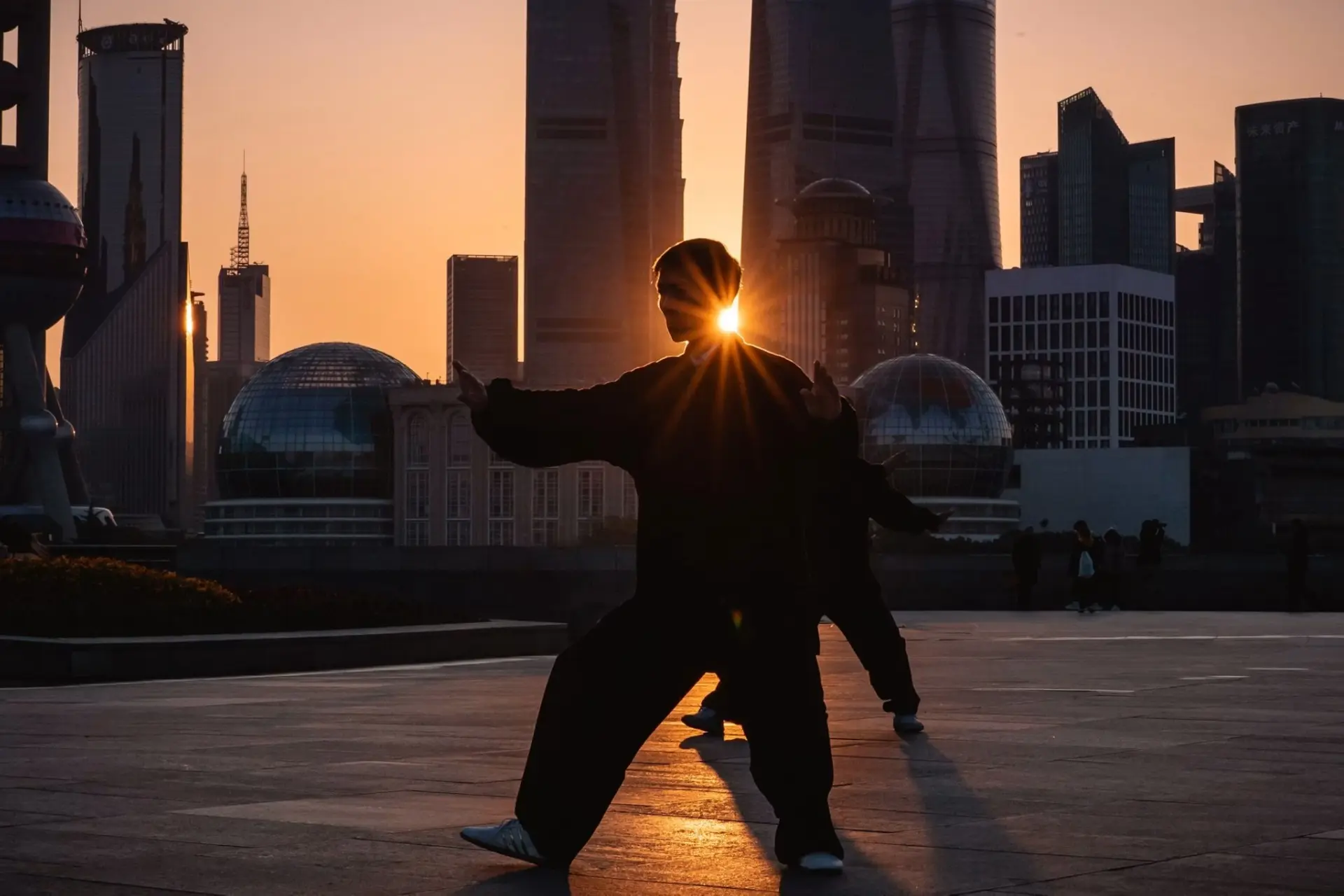
Tai chi originated centuries ago as a martial art, but today it’s primarily practiced for health and relaxation. Think of it as a series of slow, flowing movements that gently guide your body through space. Each movement has a name—often inspired by animals or martial arts techniques—but you don’t need to memorize anything to benefit from the practice.
The movements are designed to be gentle and accessible, making tai chi a safe workout for all fitness levels and ages. You’re not forcing your body into uncomfortable positions or racing against the clock. Instead, you’re moving with intention and awareness, allowing your muscles and joints to strengthen naturally.
At the heart of tai chi is the concept of “Qi” (pronounced “chee”), which refers to your body’s vital energy. The practice aims to cultivate and balance this energy through mindful movement and breath.
Another key principle is “sōng,” which means releasing tension without collapsing. It’s not about going limp—it’s about finding a relaxed strength that allows energy to flow freely through your body. The goal isn’t just to move your arms and legs correctly. It’s about using your mind to guide your body’s energy and being fully present in each moment.
A tai chi workout plan offers far more than simple relaxation. Research shows that this gentle practice can transform your physical health, mental well-being and overall quality of life in meaningful ways.
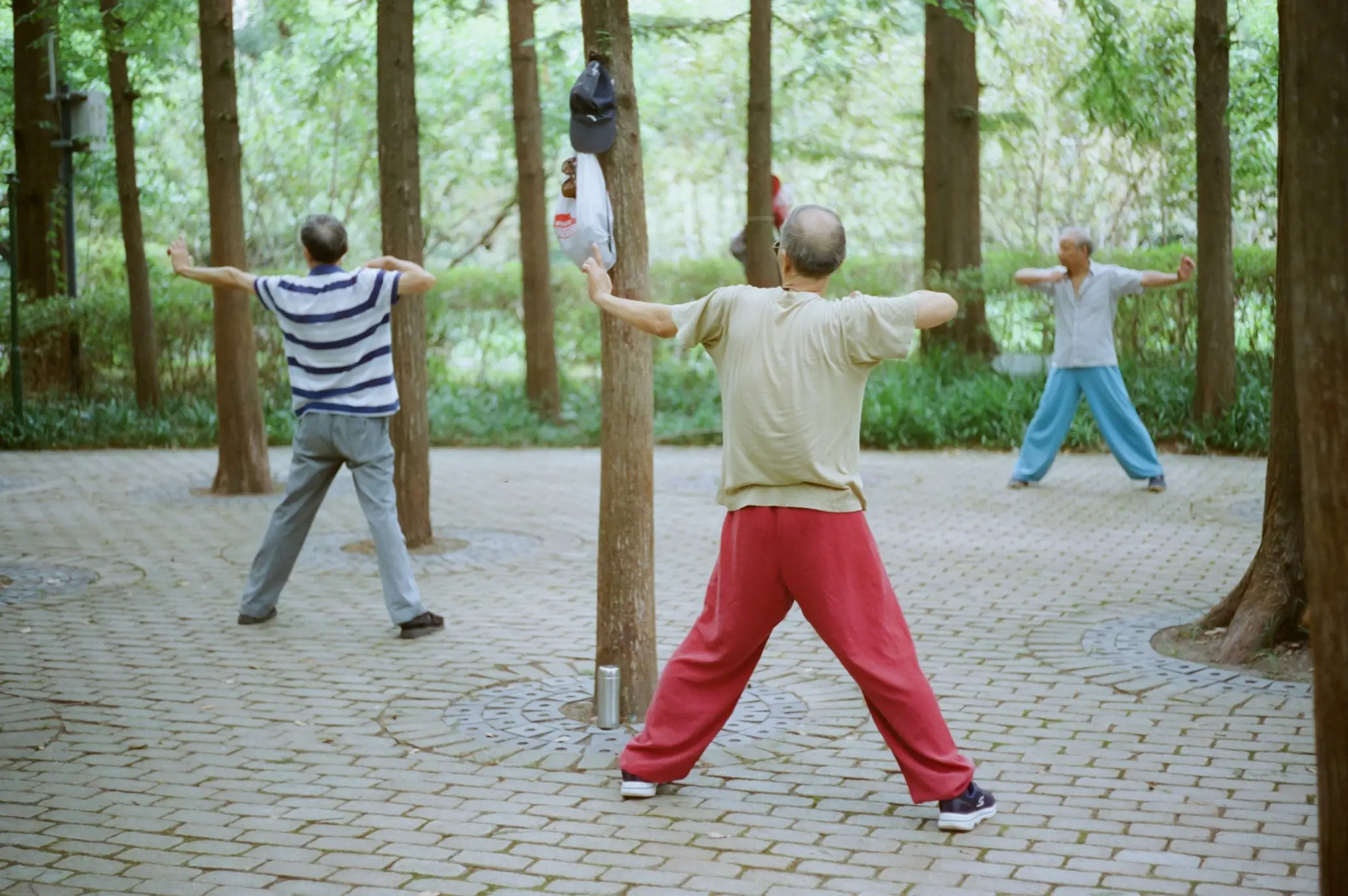
The slow, deliberate movements of tai chi challenge your stability in the best possible way. As you shift your weight from one leg to the other and move through various postures, you’re training all the systems that keep you upright.
Your leg muscles get stronger, your joints become more flexible and your reflexes sharpen. Over time, you may notice that you feel steadier on your feet and more confident in your movements.
Tai chi is often called “meditation in motion.” The combination of deep breathing and focused attention triggers your body’s relaxation response. As you move through each form, your mind becomes absorbed in the present moment.
Worries about tomorrow’s meeting or last week’s argument start to fade. Your stress hormones may decrease, and you might find yourself feeling calmer and more centered. Many people find that regular practice helps them manage anxious thoughts and release tension they’ve been holding.
Tai chi’s slowness is actually its superpower. Moving slowly requires intense concentration. You have to pay close attention to how your body feels, where your weight is shifting and how each part connects to the whole.
This focused attention builds mental strength in a unique way. The mental discipline you develop can carry over into your daily life, helping you stay present during conversations, focus better at work and notice details you might have missed before.
Practicing tai chi can benefit your heart. The continuous, flowing movements keep your body in motion for extended periods, which may help improve circulation over time.
Some studies suggest that regular tai chi practice could contribute to lower blood pressure and better cardiovascular function. While it’s not as intense as running or cycling, the sustained movement offers a heart-healthy workout that’s easy on your joints.
Ready to give tai chi a try? Here’s what you need to know to take your first steps with confidence.
Finding a qualified instructor can make all the difference in your tai chi journey. Look for someone who emphasizes the internal principles of the practice, not just the external movements.
A good teacher will help you understand alignment, breath and intention—things that books and videos can’t fully convey. Many community centers, yoga studios and wellness facilities offer beginner classes. Try a few different instructors until you find one whose teaching style resonates with you.
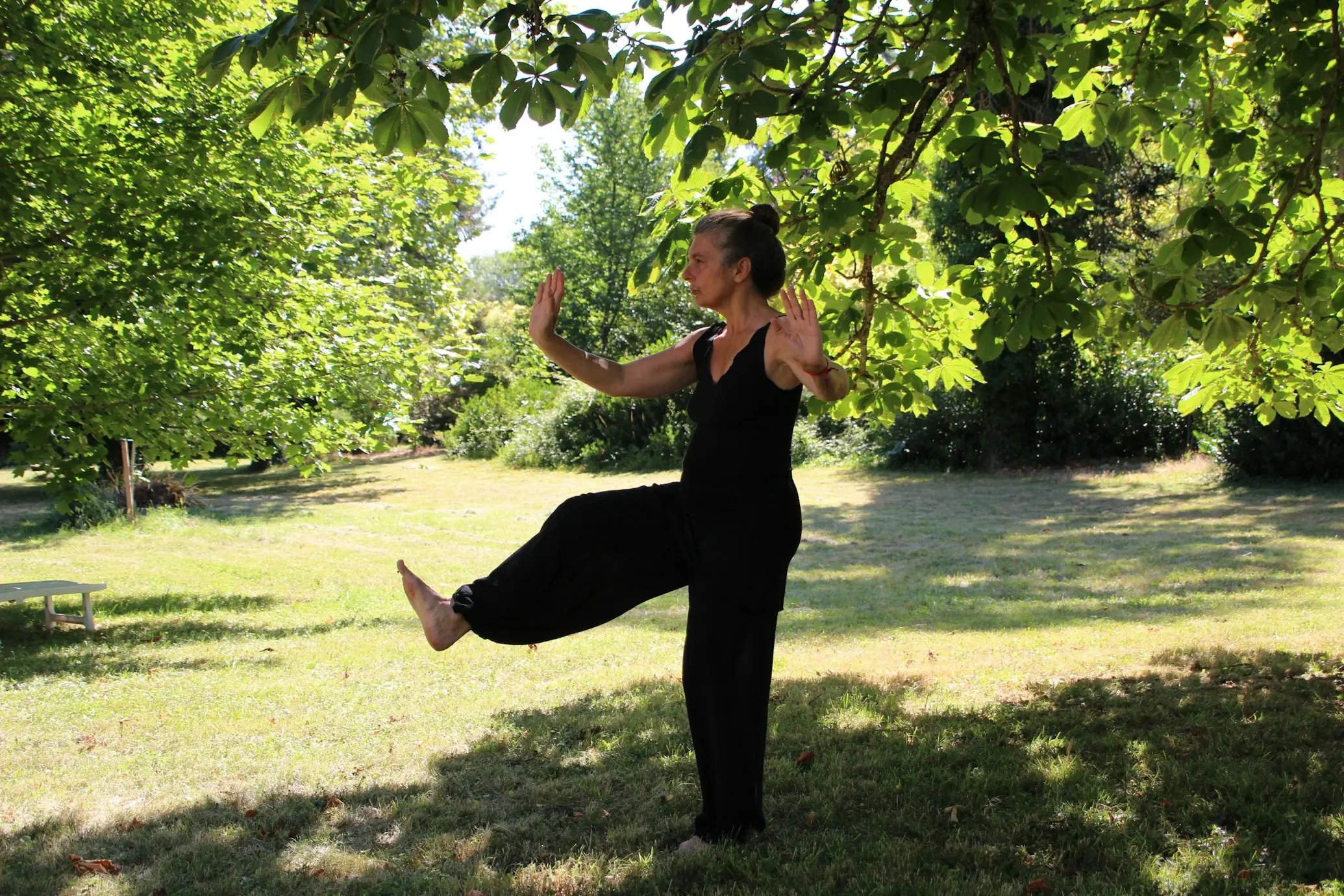
Comfort is key when it comes to tai chi attire. Wear loose, breathable clothing that allows you to move freely—think yoga pants or sweatpants paired with a comfortable t-shirt. You’ll typically practice barefoot or in flat, flexible shoes.
Remember that you don’t need to be perfect. Tai chi is a personal journey and everyone progresses at their own pace. Some movements might feel awkward at first and that’s completely normal. The goal isn’t to nail every form immediately — it’s to show up, stay curious and enjoy the process of learning.
Consistency matters more than intensity when it comes to tai chi. Even short, regular sessions can be more beneficial than occasional long practices. Try starting with 10 to 15 minutes a few times a week and build from there as it becomes part of your routine.
Just like learning foundational yoga poses, mastering the basics of tai chi takes time and patience. The more you practice, the more natural the movements will feel and the deeper your understanding of the internal principles will become.
Let’s address some common questions that might be holding you back from trying tai chi.
Absolutely not. Tai chi meets you exactly where you are, both physically and philosophically. You don’t need to touch your toes or twist into pretzel shapes. The practice works within your current range of motion and gradually helps you build flexibility over time.
While tai chi does have philosophical roots in Chinese tradition, you don’t need to subscribe to any particular belief system to enjoy the health benefits. Many people approach it purely as a form of exercise and stress relief and that’s perfectly valid.
Both tai chi and yoga are mind-body practices that connect breath with movement, but they have distinct characteristics. Tai chi is defined by its continuous, flowing movements — you’re always in motion, transitioning smoothly from one posture to the next. Yoga, on the other hand, often involves holding static poses for several breaths. Tai chi falls into the category of somatic workouts that prioritize internal sensation and awareness over external appearance.
Tai chi offers a chance to slow down, breathe deeply and reconnect with your body. Whether you’re looking to reduce stress, improve your balance or simply find a more sustainable approach to fitness, this ancient practice has something to offer.
The beauty of tai chi is that it doesn’t demand perfection or intensity. It simply asks you to show up, move with awareness and be kind to yourself in the process. Your first step could be as simple as searching for a local class or watching a beginner video online. Whatever path you choose, know that you’re investing in both your physical health and your peace of mind.
Your email address will only be used to send you our newsletter, and at any time you may unsubscribe. For more information, see our Privacy Policy.
