


Body + Mind is reader-supported. We may earn an affiliate commission when you buy through some of the links on our site.
Cottage cheese has not-so-quietly rebranded itself. It used to sit in the “diet food” corner — bland, lumpy and something you tolerated more than enjoyed. Now it’s back in recipes, high-protein meal plans and even viral hacks.
So is it worth the hype, or just another wellness phase that sounds better than it feels?
You don’t need to force yourself through a bowl to find out. Here’s what actually matters — how much protein it delivers, how it fits into your day and what to eat instead if you’d rather not deal with the questionable texture.
While it is a dense source, some context applies. A one-cup serving of cottage cheese typically gives you around 28 grams or 71% of protein, depending on the brand and fat content. That’s a solid amount for something you can eat straight out of the container.
What makes it stand out isn’t just the number, but the type of protein. Cottage cheese contains casein, a slow-digesting complete protein that releases amino acids over time, which helps you stay full longer and supports muscle repair while you sleep.
That’s why it often shows up as a late-night snack in fitness circles. It’s not magic, but protein digests slowly and produces hunger-cutting hormones to keep you working after you’re done eating. While some may call it a superfood, it’s a strong option, but not the only one to get your power fix.
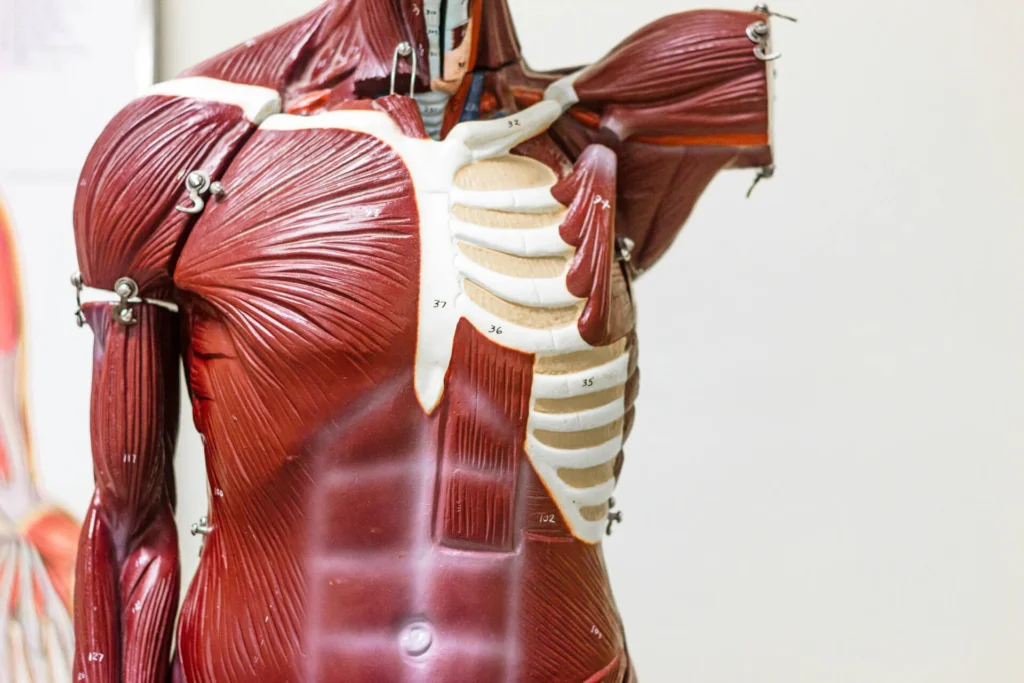
Before loading up on cottage cheese, it helps to know your actual protein target.
As a general guideline, adults should eat 0.36 grams per pound of body weight, while athletes may eat up to two grams per pound. This means that if you weigh 150 pounds, your daily range could be 54 to 300 grams, depending on your lifestyle. While cottage cheese can help you hit the target, it’s not the only option, and it may not be the most convenient or tasty either.
The timing of your meals matters more than you think. Instead of cramming most of your intake into one meal, spread it across breakfast, lunch and dinner to support better muscle repair and energy levels throughout the day. Your body uses protein more efficiently when it comes in steady doses.
A simple way to structure it may look like this:
| Time of Day | Protein Content |
| Breakfast | 20 grams to 30 grams |
| Lunch | 20 grams to 40 grams |
| Dinner | 20 grams to 40 grams |
| Snacks | Fill in the gaps |
Cottage cheese conveniently fills this pattern when you add it to toast with honey in the morning, mix it into a savory bowl with vegetables and grains or use it as a quick snack with nuts and seeds. And if you can’t stomach another “high-protein hack” involving the creamy spread or a commercial powder, that’s fine. You don’t need either to meet your target.
Not everyone likes the texture. Some people try it once and never go back. That doesn’t put you at a disadvantage, as there are plenty of whole-food options that deliver similar or better nutrition.
The slightly more sour dairy alternative is the closest substitute for the creamy magic spread in terms of texture and convenience. It’s smoother, slightly tangy and easier to mix into meals. Eat it with fruit and granola or use it as a base for sauces and dips.
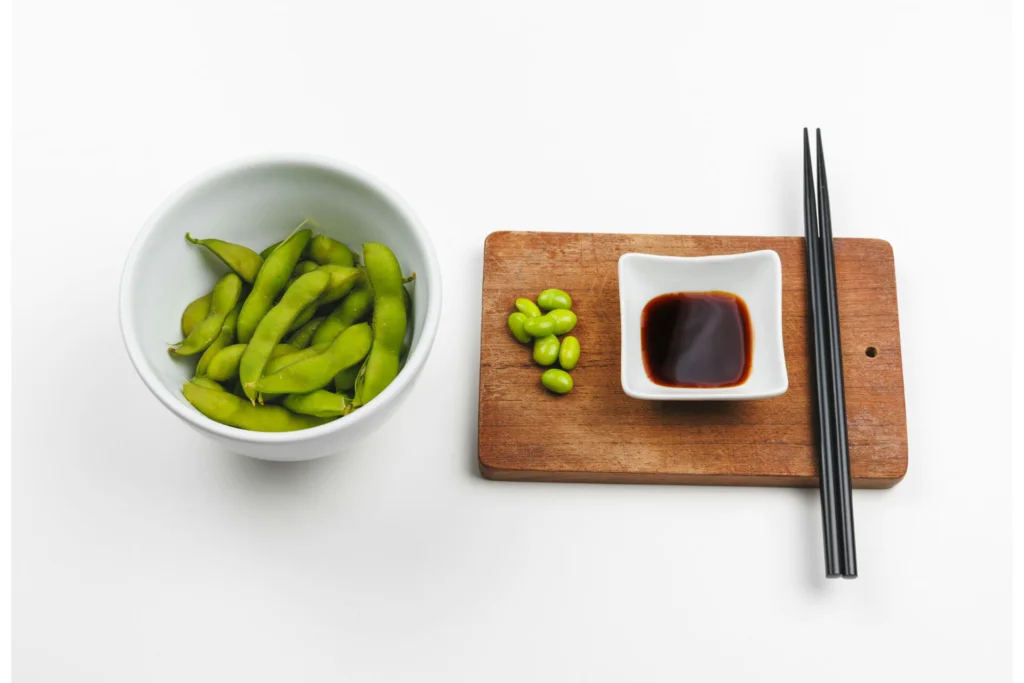
These classic young soybeans work well as a snack or added to bowls. It’s filling in a different way because of the additional fiber. Steam it with salt or toss it into salads for a quick boost.
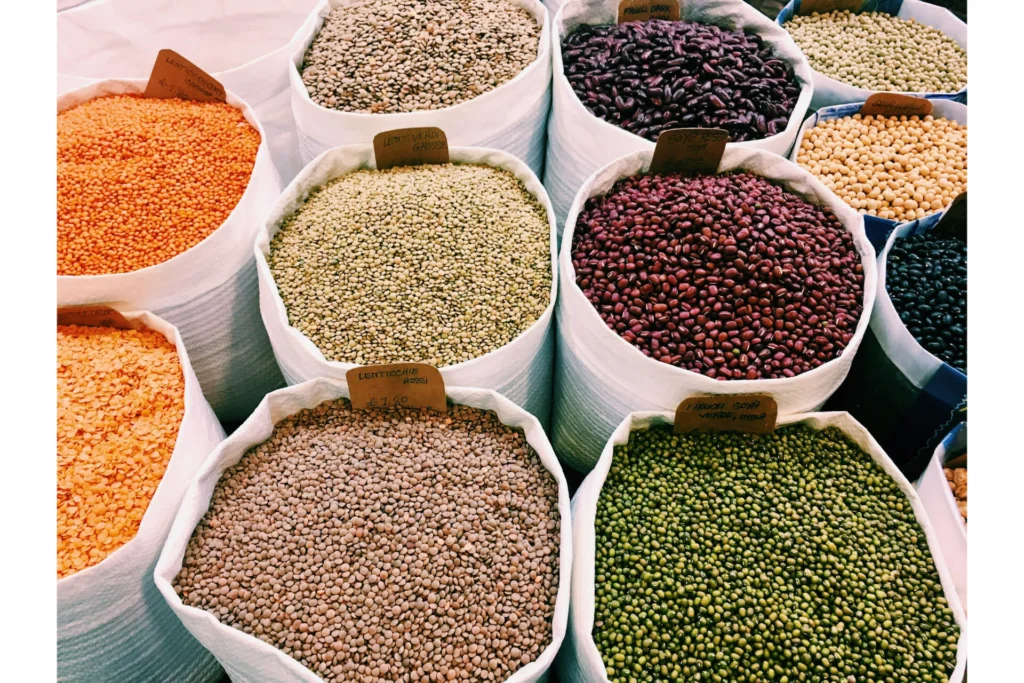
Lentils are more meal-focused, though a host of recipes include them as a main ingredient in breads, pancakes and wraps, which are more convenient than boiling up a pot. Also add them to soups or mix into rice dishes for something simple and satisfying.

Cackleberries are versatile and easy to prep in batches. Scramble them, boil up a few or add them to toast for a quick meal that doesn’t feel repetitive.
Tofu adapts to whatever flavor you give it, making it incredibly versatile. It’s far more flexible than cottage cheese, and you can add it to stir-fries, bake it, blend it into sauces or fry it like steak.

Sardines aren’t for everyone, but they pack serious nutritional value. Eat them on toast or mix them into a salad for a quick, no-cook option. Alternatively, a fish spread can offer a convenient way to serve it on crackers.
Batch cook these nutritious beans and store them until you need to add them to meals such as wraps, bowls or soups for a consistent source.
Here’s how cottage cheese stacks up against common alternatives:
| Food — 1 Cup or Equivalent | Approximate Protein Content |
| Cottage cheese | 28 grams |
| Greek yogurt | 23 grams |
| Edamame | 18 grams |
| Lentils | 24 grams |
| Eggs | 24 grams — 4 eggs |
| Tofu | 24 grams |
| Sardines | 47.6 grams |
| Black beans | 41.9 grams |
Not significantly. Full-fat and low-fat versions have similar content, but the calorie and fat levels change.
Yes, as long as it fits your overall diet. Variety still matters, so it shouldn’t be your only source.
Try blending it into baked goods or eating it whisked into smoothies, where the texture is easier to hide.
It can support weight loss because it’s high in protein and keeps you full for longer. That helps reduce unnecessary snacking, but it’s not a shortcut on its own.
Cottage cheese earns its reputation as a high-protein food. It’s convenient, nutrient-dense and easy to fit into a routine. But it’s not the only way to hit your goals, and variety is the spice of life.

Your email address will only be used to send you our newsletter, and at any time you may unsubscribe. For more information, see our Privacy Policy.
