


Body + Mind is reader-supported. We may earn an affiliate commission when you buy through some of the links on our site.
Health and fitness are more than just buzzwords, as people have eagerly taken accountability for their physical well-being. To achieve this, they’ve optimized their nutrition with plenty of lean meats, fresh produce and other wholesome foods. But it begs the question: How much protein is too much protein?
Consumers are regularly bombarded with advertisements for shakes, powders, bars and supplements. Occasionally, a high-protein diet fad circulates, promising more energy, muscle mass and curbed cravings. Although increasing your intake has proven benefits, there are some drawbacks.
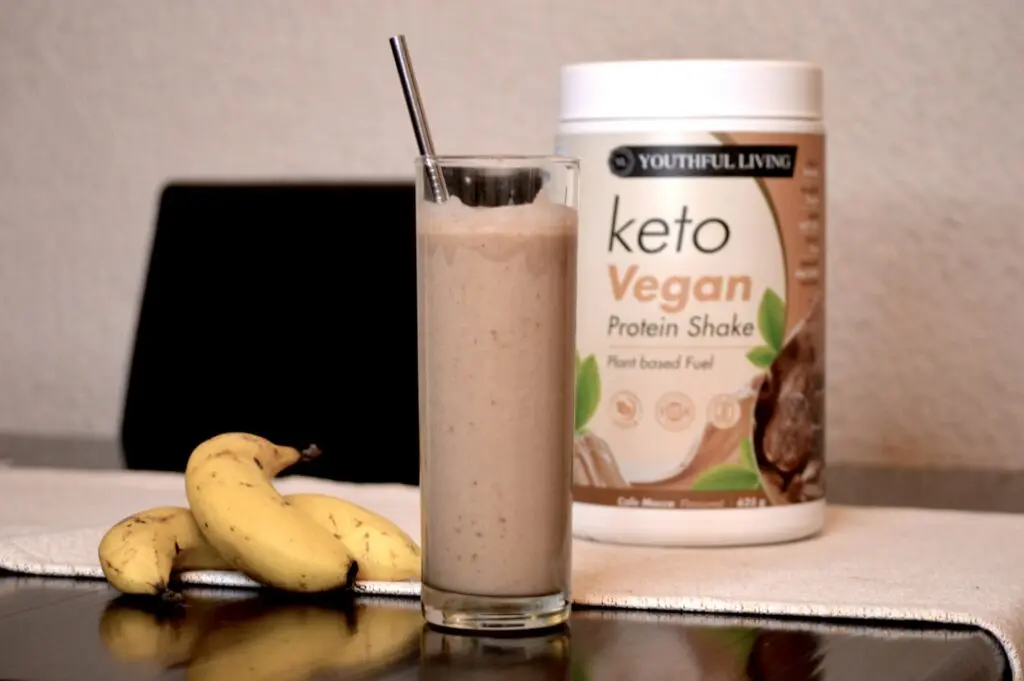
First, there was the Atkins Diet, then the paleo and keto craze. This type of diet culture has been around for a long time. Yet, consumers seem to be talking about meat and plant-based sources more than ever before. According to one report, user searches for “high protein” reached a five-year high in 2023, with a 32% increase in online discussions year over year since.
Much of this interest is driven by cleaner eating and a lower carbohydrate and fat intake. There is also an endless array of options at supermarkets and restaurants, as companies capitalize on the trend with powders, bars and delectable menu offerings. Sales of high-protein products rose by 21.6% from 2021 to 2022.
This nutrient isn’t bad for you, though. In fact, people experience greater satiety, body composition and performance from eating more of it. There is also a greater awareness of the health advantages, as the medical community has dispelled myths around animal-based sources. The problem lies in overeating it.
The amount of meat and plant-based protein you consume depends on several factors, such as your body weight, age and whether you are pregnant or breastfeeding. Experts say the recommended daily allowance is 0.8 grams — 10% to 35% of daily calories — for those 18 and over.
About three-quarters of Americans meet or exceed the suggested amount. However, 90% do not eat enough seafood, while over half do not meet this amount of nuts, seeds and soy products.

When you eat too much meat, several things can happen to your body. For instance, you may not get enough fiber, which can cause constipation. Conversely, some people experience diahrrea after supplementing with dairy products and processed foods.
Despite what popular diet culture tells you, excessive intake could cause you to gain weight instead of lose it. One study even showed that eating foods like meat, eggs and plant-based sources during the first year of your life results in a higher body mass index, higher fat mass and a greater risk of obesity later in life.
Animal sources also contain the amino acid leucine, which may cause plaque buildup and artery blockages after accumulating in the vascular system. This leads to arteries hardening — a major risk factor for a heart attack or stroke.
Of course, the most alarming outcome of overconsumption of red meat is cancer. Studies show an increased prevalence of gastrointestinal, colorectal and breast cancer due to the presence of heme iron, which stimulates oxidative stress, resulting in tumors.

If you’re wondering how much protein is too much protein for your health, others could be questioning how to increase their intake. Although supplements can compensate for a lack of nutrients, it is best to get more nutrients from whole foods.
Beans, legumes, egg whites, fish, lean meats, nuts and seeds, and dairy products are the most nutritious sources for a well-balanced diet. Soy products like tofu are also excellent sources for plant-based dieters.
Avoid eating animal protein and processed foods high in saturated fat, including fatty cuts of beef, pork and lamb, ground beef, deli meats and duck. These products can increase your risk of cardiovascular disease and diabetes.
Protein is an essential component of your daily diet. However, it does not supersede other wholesome foods containing fiber and carbohydrates. Striking a balance between protein intake, grains, produce and dairy products is crucial for optimal health. Likewise, listening to your body better indicates what it needs, whether cutting back on how much you consume or increasing the amount.
Consider eating protein earlier in the day, especially if you work out. Starting your morning with a protein shake, cottage cheese, Greek yogurt, or eggs will support muscle recovery and growth by giving you a steady source of amino acids. It is also more satiating, making you feel fuller for longer.
It is crucial to handle meat carefully to avoid the spread of harmful bacteria, such as Salmonella, E. coli and Campylobacter. You should wash your hands for 20 seconds with warm, soapy water before, during and after preparing meat. Also, thoroughly clean countertops, dishes and cutting boards that came into contact with it.
To keep you and others safe, avoid cross-contamination with other foods, ensure meat is cooked to the appropriate minimum internal temperature and properly store it in the refrigerator.
Generally, athletes and those who work out require more nutrients than someone who lives a sedentary lifestyle. On average, endurance athletes, such as runners, need 1.6 grams of protein per kilogram of body weight to rebuild and repair muscles.
Eating the same food daily is fine as long as it is nutrient-dense and not overly saturated with fat. White meat chicken that is baked or grilled is a good option. In many cases, eating the same food daily takes the guesswork out of eating healthier, helps you count calories more easily and saves you time deciding what to eat.
However, your gut microbiome needs variety for healthy digestion. Likewise, you might get bored eating or miss out on essential nutrients.

Your email address will only be used to send you our newsletter, and at any time you may unsubscribe. For more information, see our Privacy Policy.
