


Body + Mind is reader-supported. We may earn an affiliate commission when you buy through some of the links on our site.
Sensitive teeth can make even the littlest things feel uncomfortable. You may find a sip of iced coffee or a bite of dessert comes with a sharp sting, and brushing and flossing make you wince. While it can be frustrating, rest assured that there are sensitive teeth remedies that can help make your life pain-free again.
Tooth sensitivity, also known as dentin hypersensitivity, is a common condition that affects around 40 million adults in the U.S. It usually happens when the protective shield of your teeth — called the enamel — wears down. You may also experience it if your gums recede, which exposes the dentin beneath your teeth.
Dentin contains microscopic tubes that lead directly to the nerve inside your tooth. When exposed, they allow heat, cold and sugar to reach the nerve more easily. That’s why you feel that sudden pain. Sometimes, sensitivity can also signal a deeper issue, such as a cavity, gum disease, and cracked teeth.
Certain everyday habits can make your teeth sensitivity worse without you realizing it, such as:
None of these habits is harmful on its own in moderation, but they can add up and make sensitivity worse over time.
Here are sensitive teeth remedies that can actually ease the discomfort and get you back to enjoying your favorite ice cream.
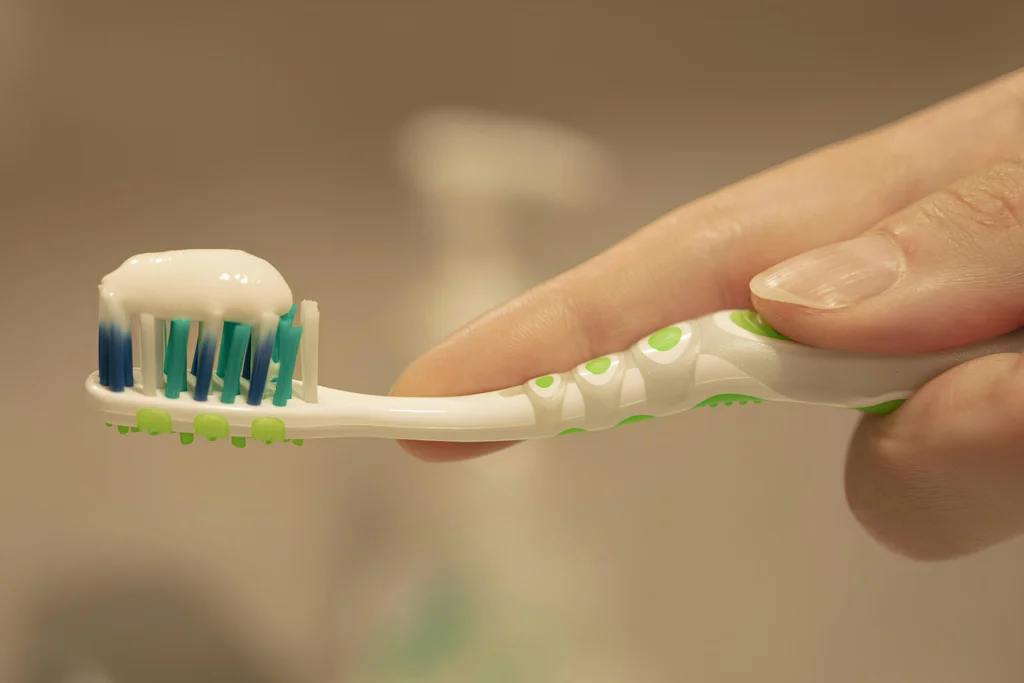
Swap your regular toothpaste with a desensitizing one. These formulas contain compounds that help block the signals traveling from your tooth surface to the nerve. You won’t see results overnight, but you may notice your sensitivity improves the more you use it. For extra relief, try applying a small amount directly to sensitive areas after brushing your teeth.
Brushing is an essential part of oral health, but you need to pay attention to your techniques. Although aggressive brushing can give the illusion of cleaner teeth, it makes your teeth sensitivity worse as it wears down enamel and irritates the gums. Try to use a soft-bristled toothbrush and gentle, controlled motions. All you need to clean your teeth and protect your enamel is really just a lighter touch.
If you’ve been taking good care of your teeth but still experience sensitivity, you may want to take a closer look at your diet. Acidic foods and drinks, such as coffee, carbonated drinks and citrus fruits, can gradually wear down enamel. You don’t need to cut them completely out of your life, but reducing how often you have them can help.
You can also use a straw to limit contact with your teeth and avoid brushing immediately after consuming acidic foods. Your enamel is temporarily softened, so brushing too soon can cause more damage. It’s also a good idea to add more oral-friendly foods that contain calcium and phosphorus, like milk, to help support and strengthen your enamel.
Fluoride helps strengthen enamel and is a great sensitive teeth remedy. It works by replacing the minerals lost from your tooth caused by acid breakdown, making it harder for your enamel to dissolve. As time goes on, this added protection can make your teeth less reactive to temperature and certain foods. You can go to your dentist to get fluoride treatment, where they apply it directly to sensitive areas for quicker relief. Alternatively, they may also recommend prescription-strength options that you can use at home.
Teeth grinding, also known as bruxism, can slowly wear down enamel and expose dentin. The tricky part is that it often happens while you sleep, so you may not even realize it. If you wake up with sore or sensitive teeth, grinding could be the cause. You can help protect your teeth by getting a mouth guard from your dentist or a nearby drugstore. It helps protect your teeth by creating a barrier that reduces pressure and prevents further wear.

If your sensitivity doesn’t improve, it’s time to get professional advice. A dentist can identify underlying issues that can lead to bigger problems, such as gum disease, long-term pain and cavities. Depending on the cause, your dentist may recommend one of the following treatments.
Below are some commonly asked questions about sensitive teeth and their remedies.
There’s no instant cure, but using a desensitizing toothpaste can be a quick way to reduce symptoms. You can also get professional fluoride treatments to get faster relief.
Salt water can stop bacterial growth and support overall oral health, but it won’t directly treat the underlying cause of your tooth sensitivity.
It’s normal to experience temporary sensitivity after a dental cleaning, as plaque removal can expose areas that were previously covered. However, the discomfort usually fades within a few days.
Sensitive teeth might feel like something you just have to live with, but you can reduce the discomfort with the right care. Pay attention to what your teeth are telling you, stay consistent with your healthy habits and don’t hesitate to seek help when needed.

Your email address will only be used to send you our newsletter, and at any time you may unsubscribe. For more information, see our Privacy Policy.
