

Body + Mind is reader-supported. We may earn an affiliate commission when you buy through some of the links on our site.
Trying to choose between sugaring and waxing can feel weirdly high-stakes when you’ve never done either. Both promise smooth skin, fewer ingrowns and longer-lasting results. However, the experience, pain level and aftercare can differ more than you’d expect. The good news is that once you understand how each method works and what your skin actually needs, picking the right one becomes a whole lot easier.
At a glance, sugaring and waxing seem almost identical. They both remove hair from the root and leave your skin smooth for weeks. The difference comes down to ingredients, technique and how each method interacts with your skin.
Sugaring, which is also often called sugar waxing, uses a simple paste made from sugar, water and lemon juice. It’s typically applied at a lukewarm temperature and removed in the direction of hair growth, which can feel gentler for some people. Because the paste is water-soluble, cleanup is usually easier, too.
Waxing, on the other hand, uses either soft or hard wax formulas that often include resins and additives. It’s usually applied warm and removed against the direction of hair growth, which can make it feel more intense, especially on sensitive areas.
Both methods work, but they feel different. Sugaring is often associated with a softer, more controlled experience, while waxing is widely available and highly effective, especially for thicker hair. Neither is universally “better,” so your choice should come down to your skin type, tolerance and goals.
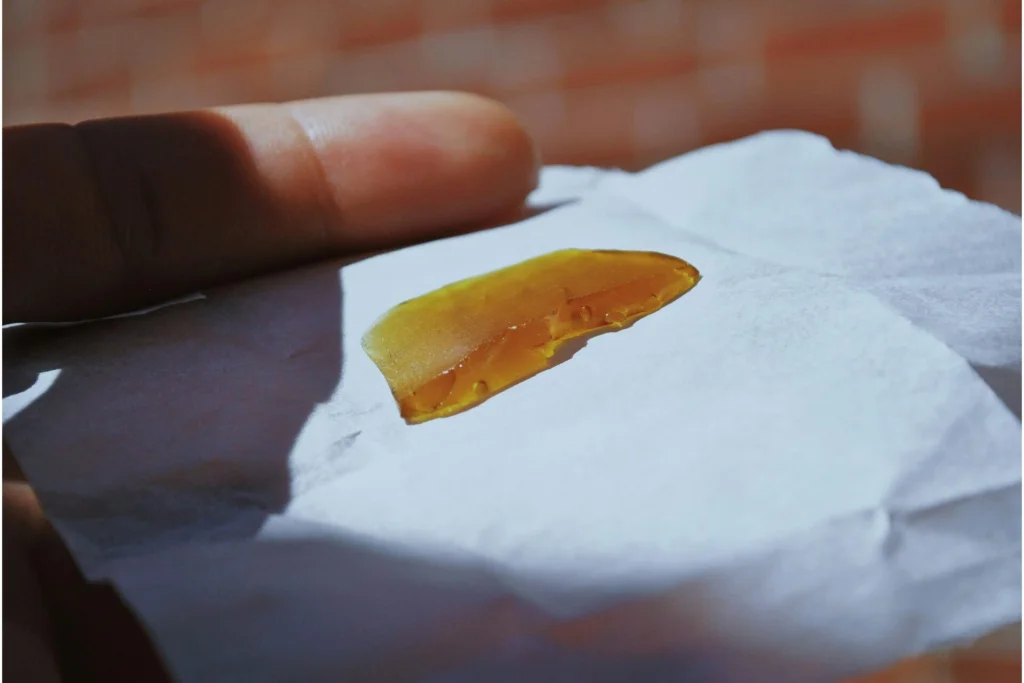
If your skin tends to react to everything from new skincare products to shaving, sugar waxing might feel like the safer first step. Many people are drawn to sugaring because of its minimal ingredient list and the perception that it’s gentler on skin. You may want to start sugaring if:
Another reason first-timers lean toward sugaring is how the paste behaves during application. It’s often said to adhere more to hair than live skin, which can make the process feel less aggressive, particularly on areas like the arms and legs.
That said, “gentler” doesn’t mean painless or foolproof. Results can vary depending on your hair type, the technician’s skill and the area being treated. If you’re expecting zero discomfort or zero irritation, sugaring may still surprise you.
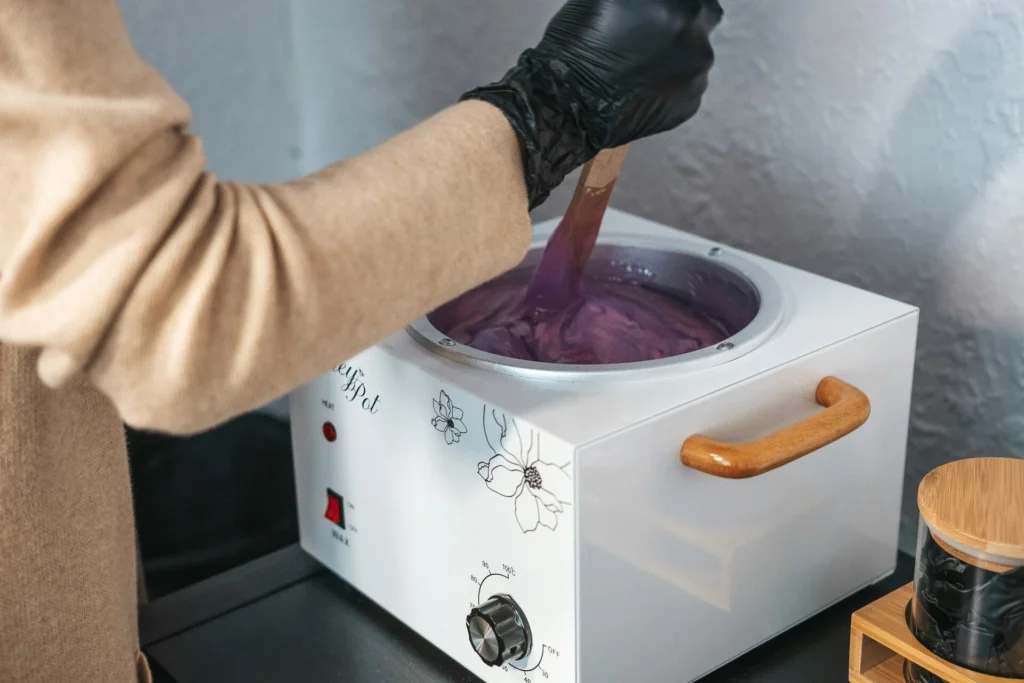
While sugaring gets a lot of hype, waxing is still the go-to option for a reason. It’s accessible, efficient and highly effective, especially for certain hair types. Waxing may be the better choice if:
For many first-timers, waxing is simply easier to book and more familiar. Most salons offer it and experienced technicians are easier to find, which can make a big difference in your overall experience.
It’s also worth noting that waxing isn’t inherently “harsher.” It just works differently. A skilled technician using the right wax for your skin type can deliver smooth results with minimal irritation.
However, there are a few caution points. If you’re using certain skincare products, such as retinoids, or have particularly sensitive skin, waxing may increase the risk of irritation or skin lifting. In those cases, sugaring might be worth considering instead.
If you’ve fallen down a TikTok rabbit hole of DIY beauty hacks, you’ve probably seen people whipping up their own sugaring hair removal recipe in a saucepan. On paper, it sounds simple. In reality, sugaring at home can be trickier than it looks.
The appeal is obvious, it’s affordable, uses minimal ingredients and feels like a more “natural” option compared to salon treatments. However, technique is extremely important. If the paste is too hot, too runny or too stiff, it won’t grip the hair properly. And if you application technique is off, you could end up with patchy results or unnecessary irritation. For first-timers, it’s usually smarter to:
At-home sugaring isn’t inherently safe, but it does require patience and practice. If you want the best first experience, booking a professional appointment first can give you a better idea of what “good technique” actually looks like.
Sugaring is often seen as a gentler, cleaner alternative, but it’s not without its drawbacks. Understanding the sugaring hair removal disadvantages up front helps you make a more informed decision. Here’s what first-timers should know:
It’s also important to be realistic about skin outcomes. Sugaring doesn’t automatically prevent ingrown hairs or pigmentation. In fact, any method that removes hair from the root can still trigger bumps or dark spots if your skin is prone to them.

Choosing between sugaring and waxing doesn’t have to feel like a beauty gamble. Both methods can deliver smooth, longer-lasting results. It just comes down to your skin, your hair and your comfort level. If you want something gentler, sugaring is worth a try. If you need something quick and widely available, waxing still holds its ground.


Flamingo Wax Strips for Body Hair Removal

Your email address will only be used to send you our newsletter, and at any time you may unsubscribe. For more information, see our Privacy Policy.
