

Body + Mind is reader-supported. We may earn an affiliate commission when you buy through some of the links on our site.
You know that moment when you lift your arm and instantly regret every decision you made that morning? You’re not alone. This is my journey from “Why do I still smell like a gym bag?” to a homemade deodorant that finally works and feels good on my skin.
You buy the stick, swipe it under your arms and walk out the door feeling like a capable adult. Then lunchtime hits and your armpits start acting like they missed the memo. A lot of betrayal comes down to one simple mix-up. Deodorant masks odor, while antiperspirant prevents sweating. Antiperspirants often contain aluminum salts that temporarily block sweat ducts. Deodorants skip that and focus on scent and bacteria control.
“Clean” deodorant has gained major popularity recently. The aluminium-free deodorant market is projected to grow fast from 2024 to 2029, which tracks with what you see in stores. You’re likely seeing more jars, more sticks and more “free from” labels.
You usually end up making your own deodorant for one of two reasons. Either your skin starts throwing a tantrum or your “natural” stick quits by 11 a.m. and you spend the rest of the day doing that tight-arm walk like you’re trying to protect the world from your underarms. For me, it was a combination of the two.
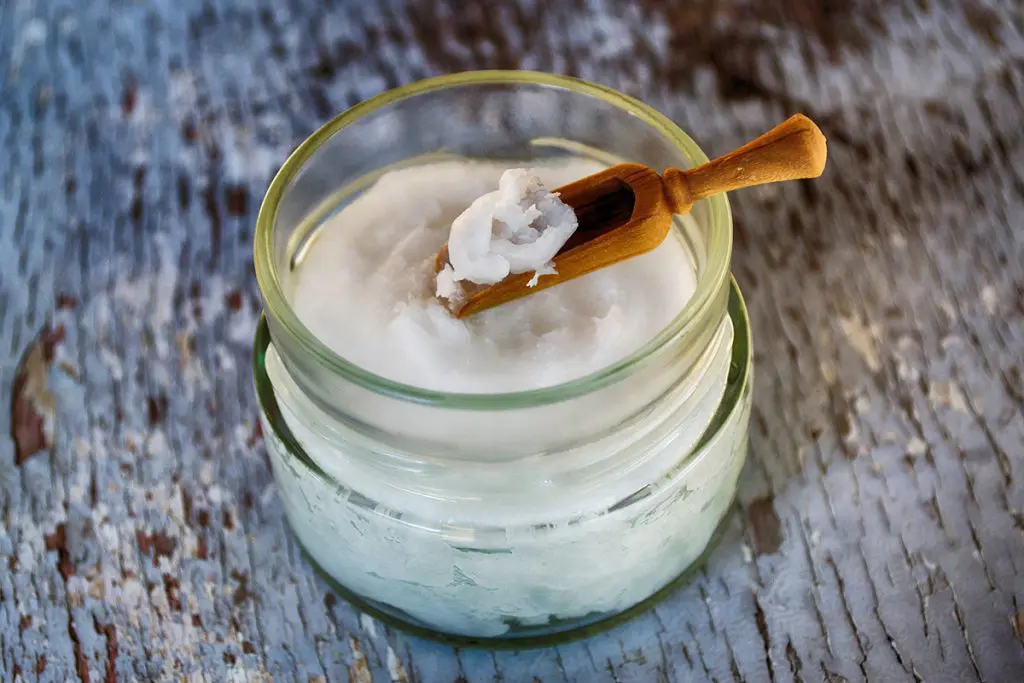
So, I Googled “DIY deodorant recipe” and convinced myself that coconut oil and baking powder would solve everything. My first batch felt like a tiny victory. I stirred it up, patted myself on the back and used it the next day.
And then it went wrong. The jar turned into soup the minute the weather warmed up, it left oily marks on my shirt and even worse, my underarms got itchy and irritated because I went heavy on the baking soda. That was the moment I realized the magic is in the ratios. I cut back on the baking soda, added arrowroot powder to dry it down and used way less product. Suddenly, it stopped feeling like a greasy science product and started working like a real deodorant.
You want simple and effective, without feeling like you’re spreading cooking grease under your armpits. This is the best homemade deodorant recipe I keep coming back to because it is easy to adjust and it plays nice with real life.
Ingredients:
Directions:
Coconut oil gives you glide and helps everything spread evenly. Arrowroot soaks up moisture, so you feel drier. Baking soda helps with odor control.
One honest heads up is that baking soda sits on the alkaline side and your skin may react if you go too strong. That can show up as itchiness or redness. If you have sensitive skin, start small.
Most DIY deodorants fail for one reason, namely, the ratio being wrong for your body and your climate. So, if you run sweaty, add a bit more arrowroot to make the finish drier and help with that midday slick feeling. If you get itchy or rashy, use less baking soda. Baking soda can throw off your skin’s pH, which can irritate the underarm area.
If you want a scent that feels clean, you can add a few drops of essential oil. Keep it light, as too much essential oil can irritate the skin. Tea tree and lavender are common picks, but do a patch test before using any essential oils.
If the coconut oil feels too runny, which happens a lot in the hotter months, try adding a small spoonful of shea butter to firm it up or store the jar somewhere cooler. Your bathroom windowsill in summer is a trap, I’m speaking from experience.
This part feels obvious until you do it wrong and spend the rest of the day wondering why your shirt smells like coconut oil and regret. Start small. And by small, I mean pea-sized small. Warm it between your fingers first, then smooth a thin layer over clean, dry underarms. A thick layer does not “lock it in,” it just melts and migrates. A few timing tweaks help a lot, too:
You should treat it like skincare. Light layer, consistency and a tiny bit of patience.
The first mistake I made when using DIY deodorant was using too much. If your underarms feel greasy after application, you used a little too much. This can also leave oil marks on clothing, which is extremely annoying.
Another common one is skipping basic cleansing. Underarm odor is bacteria, sweat and time, so washing the area helps reduce the bacteria load so your deodorant has less work to do.
If you try coconut oil alone, you might get a little benefit for comfort and glide, but for true odor control, you’ll most likely need an absorbent powder and an odor fighter. Coconut oil alone feels nice, but rarely wins the long-day test.
Sweat itself has no smell. The smell occurs when bacteria on your skin break down components of your sweat. It’s similar to how scalp oils work. For example, people with tighter curls often experience dry or split ends because the sebum that their scalps produce has a hard time traveling down and moisturizing each strand. In your underarms, you have a mix of sweat glands. The ones that matter most for odor are apocrine glands, which produce a thicker sweat that bacteria love. That bacteria party causes bromhidrosis, the clinical term for body odor.
So, to naturally kill underarm odor, your underarms need to be less appealing places for odor-causing bacteria to hang out. That usually means a combination of:
That’s the strategy behind a good DIY deodorant for underarm odor. It’s less drama, more science and slightly fewer apologies to whoever sits next to you.
FAQs
Yes, the ones that work usually focus on bacteria and moisture. Since odor forms when bacteria break down sweat, the goal is to reduce bacterial activity and keep the air drier.
Tea tree oil shows up often because people associate it with a clean, antimicrobial feel. Lavender is a gentler option for many people and has a softer scent. Either way, patch test first and keep the drops low.
Ancient Egyptians often used scented oils and fragrance routines to mask odor. Historical sources describe early deodorant practices tied to perfume and body oils rather than sweat-blocking products.
Mostly bathing and scent. Think perfumes, plant resins, aromatic oils and mineral salts in some regions. It was more about masking and managing odor than stopping sweat.
Use coconut oil, arrowroot powder or cornstarch and baking soda. Warm the coconut oil until it turns soft, stir in powders until smooth and spoon into a jar to let set. Apply a thin layer to your underarms.

Odor control is less about covering things up and more about changing the underarm vibe so bacteria have less to work with. Keep it simple with three ingredients and adjust the ratio until your skin feels calm anf your shirt stays clean. Give it a week of consistency to allow it to settle and watch the magic unfold.

Your email address will only be used to send you our newsletter, and at any time you may unsubscribe. For more information, see our Privacy Policy.
