


Body + Mind is reader-supported. We may earn an affiliate commission when you buy through some of the links on our site.
We’ve all seen the headlines promising miracle anti-aging breakthroughs with stem cells. Maybe you’ve browsed serums claiming to harness their power or heard about celebrities getting “stem cell facelifts.” The confusion is real, between products you can buy versus treatments performed in medical offices, and between human and plant stem cells. Here’s what we know about stem cell therapy for anti-aging, separating the science fiction from the scientific fact.

Think of stem cells as your body’s master builders. They’re blank-slate cells with two special abilities that make them unique. First, they can make copies of themselves indefinitely. Second, they can transform into specialized cells like skin cells, muscle cells or blood cells.
These cells are crucial for maintaining healthy tissue throughout your life. But here’s the catch — as you age, both the number and function of your stem cells decline. That decline is actually one of the key drivers of the aging process itself.
Most “stem cell” products aren’t what you might imagine. When you choose a serum or cream claiming to contain stem cells, you’re not getting live human cells that will regenerate your skin. Here’s what you’re actually buying when you shop for stem cell therapy for anti-aging products online or in stores.
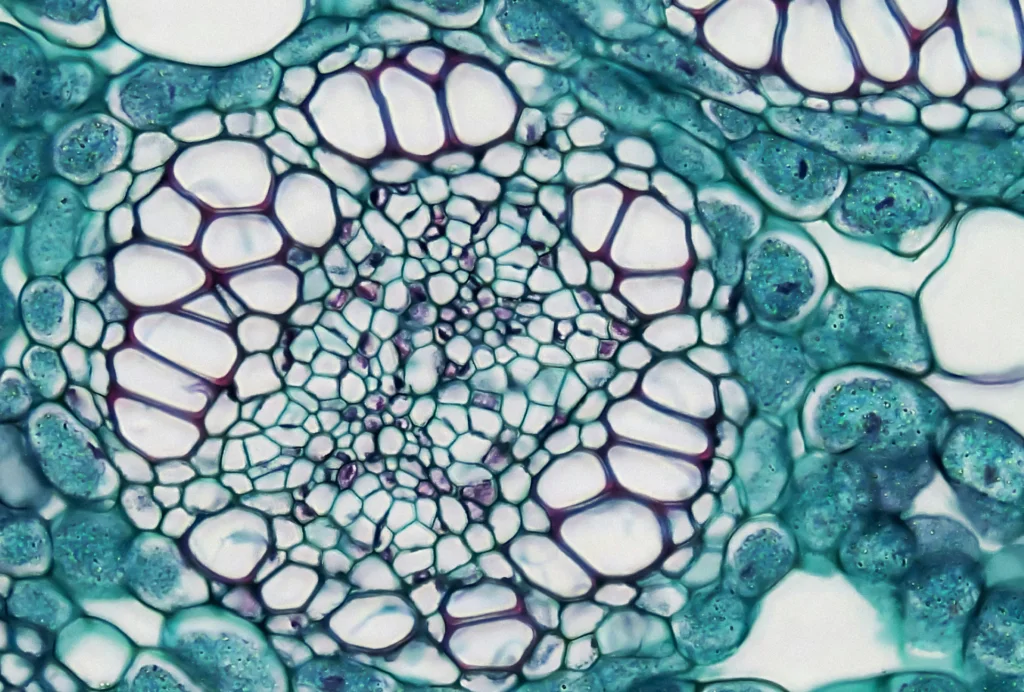
The most common “stem cell” skincare products contain powerful extracts from plant stem cells like apples, grapes or ginseng, not live human stem cells. These plant cells are grown in laboratory bioreactors, creating what scientists call a “callus.”
That callus is then broken open using high-pressure homogenization to release beneficial compounds like antioxidants, polyphenols and peptides into an extract. Live cells can’t survive in a cosmetic bottle. Preservatives and storage conditions would kill them, and even if they survived, they’re too large to penetrate your skin barrier.
What these products offer instead is antioxidant protection, similar to how you might repair UV-related skin damage using niacinamide or other proven ingredients. These products are regulated as cosmetics, meaning they’re designed to change your skin’s appearance. They can’t legally make medical claims about healing or regenerating tissue, and they don’t require clinical trials before hitting the market.
Here’s what the research shows about specific plant extracts:

More complex products claim to use human stem cell “conditioned media,” “growth factors” or “exosomes.” These contain the beneficial byproducts that cells secrete and use to communicate, not the live cells themselves.
Think of exosomes as a cell’s information highway. The regenerative power of stem cell therapy for anti-aging might come not from the cells themselves but from the instructions their exosomes deliver, like telling neighboring cells to produce more collagen.
These exosomes can come from various sources:
The exciting part is the preclinical data. The challenge is that there are no FDA-approved exosome skincare products yet, and robust clinical trials in humans are still scarce.
When most people think of stem cell facial treatments, they picture platelet-rich plasma facials — often called vampire facials. These procedures are widely available and sometimes marketed as “stem cell facelifts,” but they don’t actually use stem cells.
The real stem cell treatments for anti-aging are advanced medical procedures performed by doctors in clinical settings. These treatments are typically available only in select locations and involve far more than slathering on a serum.
An autologous treatment uses your own cells. A doctor harvests a small sample of fat tissue from your abdomen, cultures it for 11 to 13 days until it reaches around 100 million live cells, then injects those cells directly back into your facial skin.
One study found profound effects from a single session that lasted over a year:
Allogeneic treatments use cells from a separate donor source, like purified umbilical cord cells, or cells engineered in a laboratory. Research in this area focuses on treating broader, systemic issues of aging through many different and surprising mechanisms:

The regulatory landscape is a global Wild West. Currently, a regulatory vacuum coexists with a frenzy of scientific claims. Rules vary dramatically between countries and between cosmetic products and medical treatments.
The term “stem cell medical aesthetics” isn’t recognized by any major regulatory body. It’s a catch-all phrase created by the beauty industry to describe everything from plant cell products on store shelves to legitimate therapies to dubious marketing claims.
This lack of regulation has left dangerous gaps. There have been instances of serious patient harm, including blindness from facial injections, severe infections and tumor development from poor cell preparations.
The good news is that proposed new regulatory models should make this field much safer and more accessible to everyone. If you’re considering any stem cell treatment, only consult board-certified doctors at reputable clinics.
While stem cell therapy for anti-aging is incredibly promising, much of it remains in the research phase. Here’s what scientists are most excited about for the next decade:
The ultimate goal is ambitious — shifting from treating individual age-related diseases to targeting the aging process itself at a fundamental, cellular level.
Where Hope Meets Science in Skin Care and Beauty
So is stem cell therapy for anti-aging the real fountain of youth? The answer depends on what you’re talking about.
Topical products with plant extracts or human-derived growth factors can support your existing cells and offer antioxidant protection. Clinical procedures using live stem cells aim to regenerate tissue and may produce dramatic results, but they’re still limited in availability and come with real risks in unregulated settings.
Your best approach is to be an informed consumer. Focus on proven wellness practices like sun protection and healthy lifestyle habits while keeping an eye on the exciting science unfolding. The fountain of youth might not exist yet, but researchers are getting closer to understanding how to slow the aging process at its source. That’s something worth being hopeful about.

Your email address will only be used to send you our newsletter, and at any time you may unsubscribe. For more information, see our Privacy Policy.
