
Body + Mind is reader-supported. We may earn an affiliate commission when you buy through some of the links on our site.
You’re on a video call when you catch a glimpse of yourself in that tiny screen square. When did your shoulders start curving forward like that? If rounded shoulders have snuck up on you, you’re far from alone. The good news is that with some simple stretches, targeted exercises and smarter daily habits, you can start saying goodbye to that hunched posture.

Rounded shoulders happen when your shoulders aren’t properly aligned with your spine. Instead of sitting back in their natural position, they roll forward and down. This creates a shoulder and spine misalignment, throwing your whole upper body out of balance.
Hunching over a computer, scrolling through your phone with your head down, or sitting in the car for long stretches can all contribute to rounded shoulders. Those who have desk jobs are especially at risk. Simple things like a poor chair or monitor placement can lead to neck and shoulder strain that builds up over weeks, months and years.
When done consistently, these types of stretches and exercises may help relieve shoulder and back discomfort. Try the following movements to improve your posture and see which ones work for you. Remember, everyone’s body is different, so give yourself time to find which exercises feel most effective.
This stretch targets the chest muscles that get tight when you slouch forward. Loosening them up gives your shoulders room to move back into proper alignment.
Your upper back muscles often get overstretched and weak from poor posture. This gentle stretch can help release tension while you work on strengthening them. Do this after spending long hours at your desk.
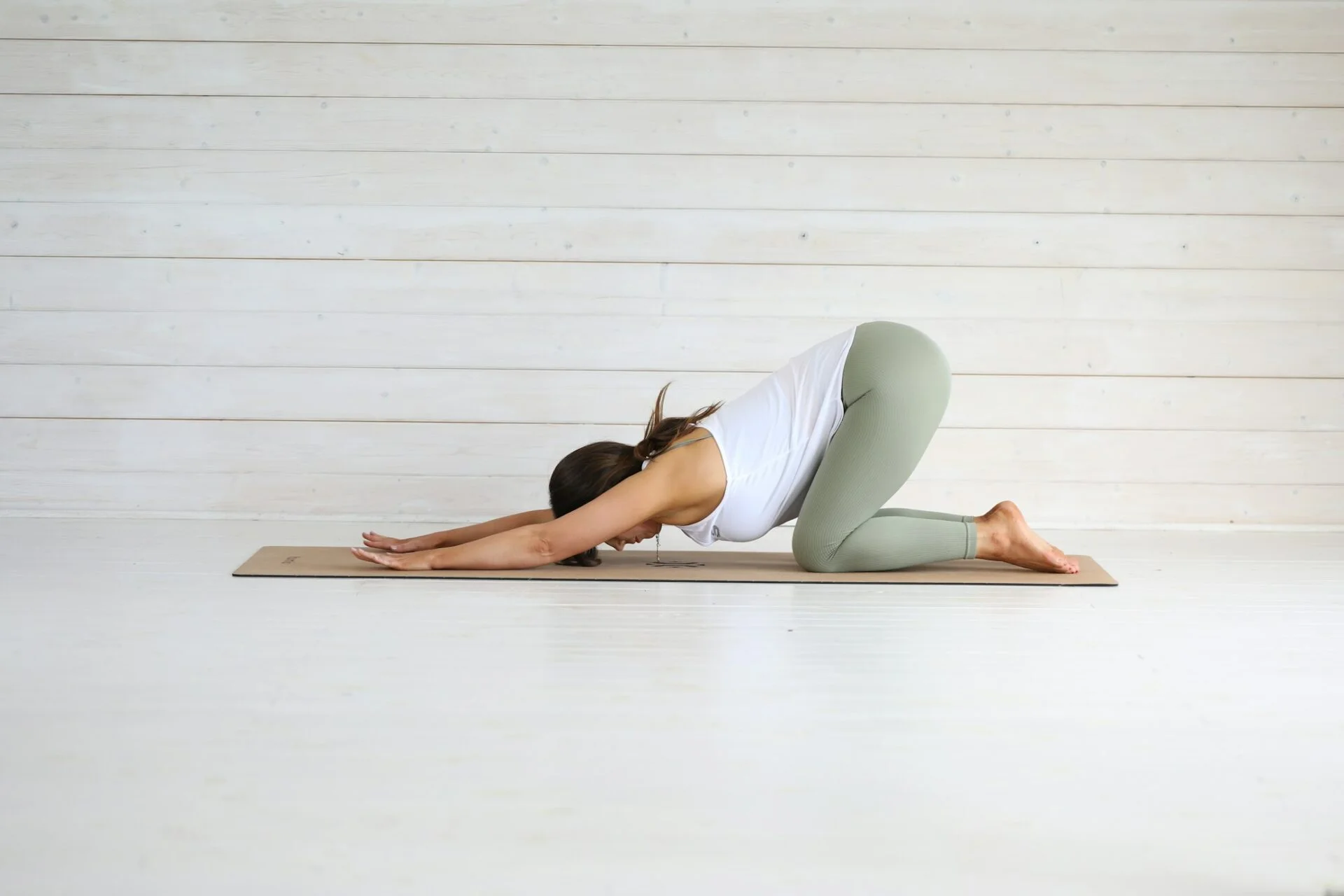
This classic yoga pose stretches your back, shoulders and chest all at once. This pose can help you reset your mind and body.

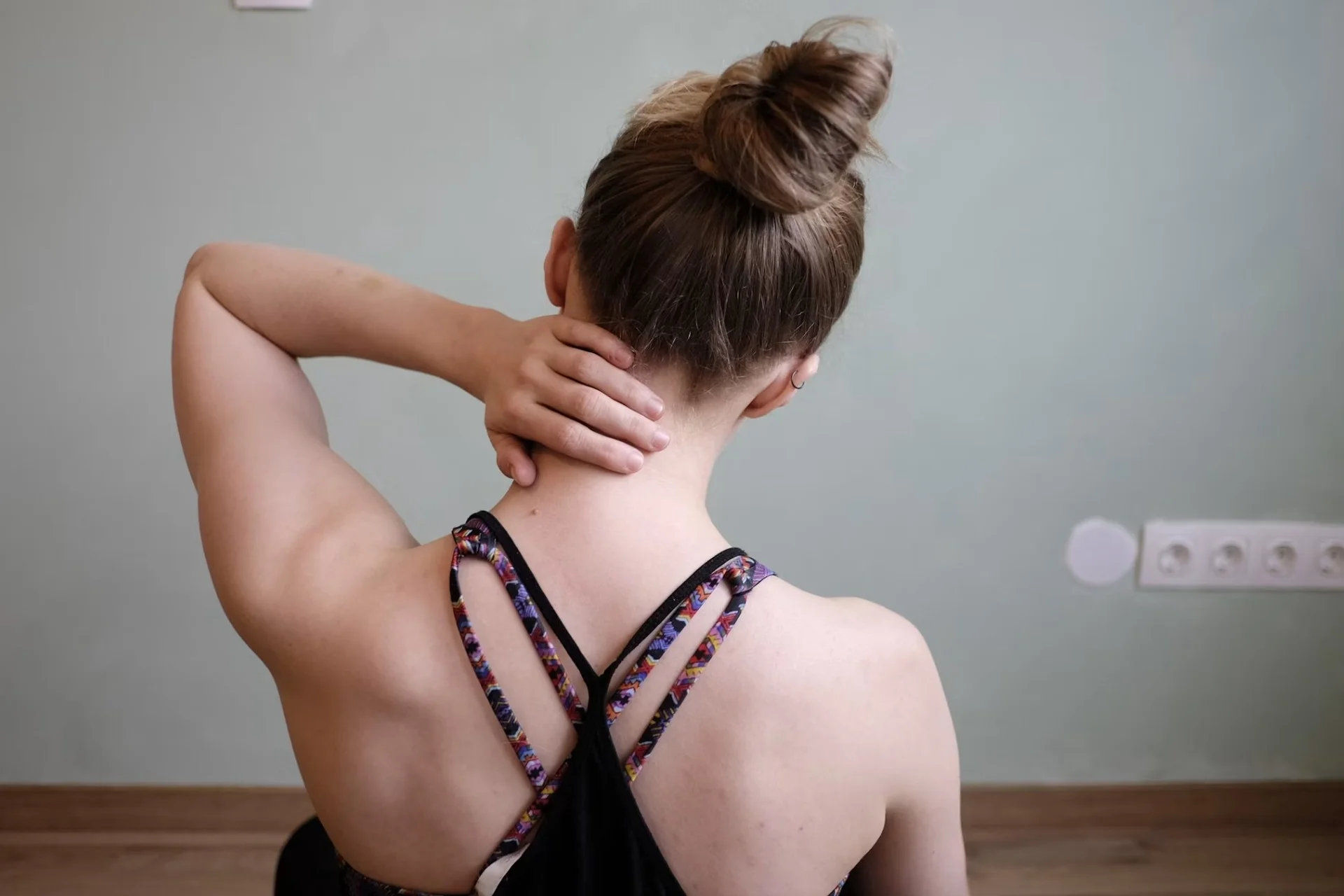
Your neck bears the brunt of forward head posture. This stretch can help release built-up tension related to poor posture.
This exercise strengthens the muscles between your shoulder blades, which helps pull your shoulders back where they belong.
Think of this as a snow angel against a wall. This move helps retrain your shoulders to sit in a better position.
This exercise targets the muscles in your mid-back that help keep your shoulders pulled back. You can use a resistance band or cable machine at the gym. The rowing motion directly counters the forward pull of daily slouching.
This move strengthens your rear shoulder muscles and upper back, which are often weak in people with rounded shoulders. Start with light weights and focus on form.
This exercise works your upper back and rear shoulders while also improving shoulder stability. It’s particularly effective for counteracting the forward shoulder position. Here’s the technique:
Exercises play a big role in fixing rounded shoulders, but they’re not the whole picture. Here are other lifestyle tips to help you achieve lasting change.
Studies on postural behavior at a computer workstation show that these simple ergonomic fixes can help prevent strain before it starts. Position your monitor straight ahead at eye level so you’re not constantly looking down. Your chair height should allow your arms to rest at a 90-degree angle to the desk.
Check in with yourself periodically. Set a recurring timer on your phone to remind you to assess your position and make adjustments. Some people find that placing a sticky note on their monitor helps them remember to sit up straight. Building this habit takes time, but it gets easier with practice.
Your body wasn’t designed to stay in one position for hours on end. If you have a desk job, make it a point to get up and move around frequently. However, if you think your rounded shoulders have become a chronic issue, consider visiting a doctor for correct posture training to address your specific concerns. A healthcare professional can provide personalized guidance.
Fixing rounded shoulders takes time and effort. The key is being aware of the habits that got you here, stretching the muscles that have gotten too tight and strengthening the ones that have gotten too weak. With consistent effort, you’ll start to feel and see real improvements in how you carry yourself.
Your email address will only be used to send you our newsletter, and at any time you may unsubscribe. For more information, see our Privacy Policy.
