
Body + Mind is reader-supported. We may earn an affiliate commission when you buy through some of the links on our site.
Some days, your curls are bouncy and defined. Other days, you look in the mirror and see a cloud of frizz staring back at you. The unpredictability can make you wonder if your hair has a mind of its own. Getting consistent results doesn’t require a magic potion or the perfect product lineup. It starts with understanding the unique science behind hair curl types and how your strands actually work.
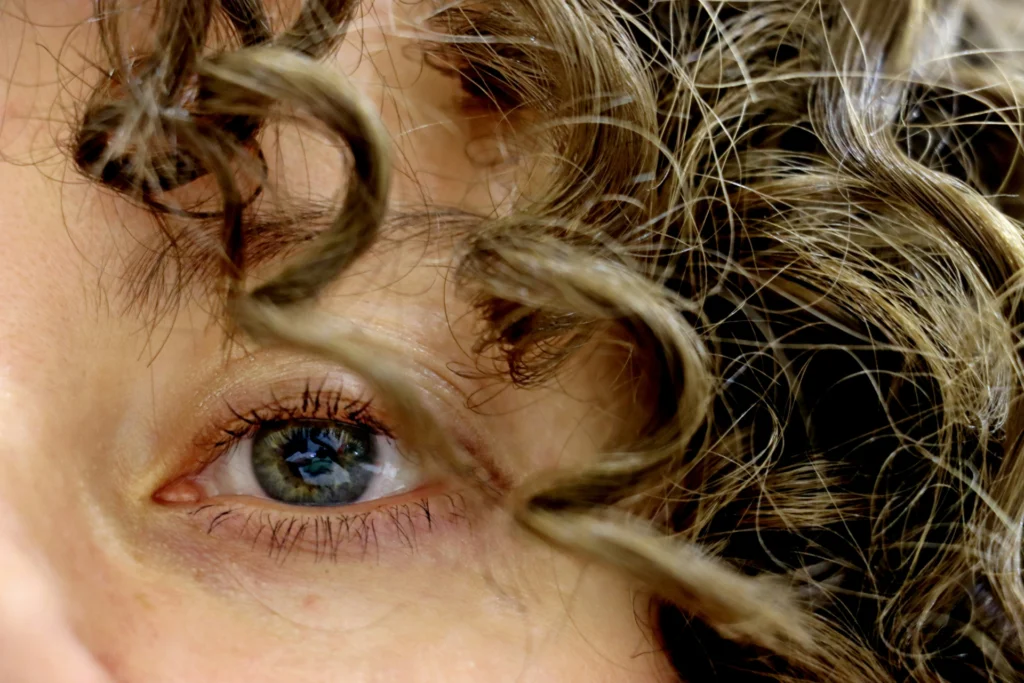
You’ve probably tried dozens of products that promised to transform your curls but ended up sitting unused in your bathroom cabinet. The struggle isn’t your fault. It’s rooted in the physical structure of your hair itself. Understanding porosity is the key to solving this puzzle.
Porosity refers to how well your hair absorbs and retains moisture. Curly hair often has lower porosity because the cuticle layers lie much closer together than they do on straight hair. This tightly packed structure makes it harder for water and moisturizing products to penetrate the hair shaft.
Instead of soaking in, products can feel like they sit on top without doing much of anything. Even scientists are still studying how moisture interacts with different hair types, which explains why finding the right products feels so confusing.
Now that you understand the porosity challenge, you can move to the foundational step of identifying your pattern. Many people wonder, “Do I have curly hair?” because not all curl patterns are immediately obvious. Some textures can look wavy one day and curly the next, creating confusion about classification.
Your curl type is determined by the shape of the follicle itself before the hair even emerges from your scalp. A round follicle produces straight hair, while an asymmetrical or oval-shaped follicle produces wavy or curly hair. The more asymmetrical or angled the follicle, the tighter your curl will be.
This type has a gentle S-shape that falls somewhere between straight and curly. It’s the loosest of the curl patterns and can be prone to looking flat or weighed down by heavy products.
This type features defined, springy ringlets or spirals that have bounce and volume. Type 3 hair tends to be more prone to frizz and dryness than wavy hair because the curl pattern makes it harder for natural oils to travel down the hair shaft.
This type has tight, densely packed coils or zigzag patterns that create maximum volume. Type 4 is the most fragile and prone to dryness and shrinkage, meaning your hair can appear much shorter than its length when dry.

Ready to identify your pattern? Follow these steps to see your natural texture without any interference from styling products:
Now that you’ve identified your pattern, you can move beyond guessing and start using targeted solutions. These three areas form the pillars of a great curl care routine.
Topical products can only do so much if your hair isn’t healthy from the inside out. Nutrition is your first line of defense for building strong, resilient strands. Eating for hair health gives your body the building blocks it needs to produce quality hair curl types from the follicle itself.
Your diet should include:
Many commercial shampoos contain harsh sulfates that strip essential moisture from curly hair. These cleansers can leave your curls feeling brittle and frizzy instead of soft and defined. Natural shampoos you can make at home offer a gentler alternative that cleanses without stripping away the oils your hair needs.
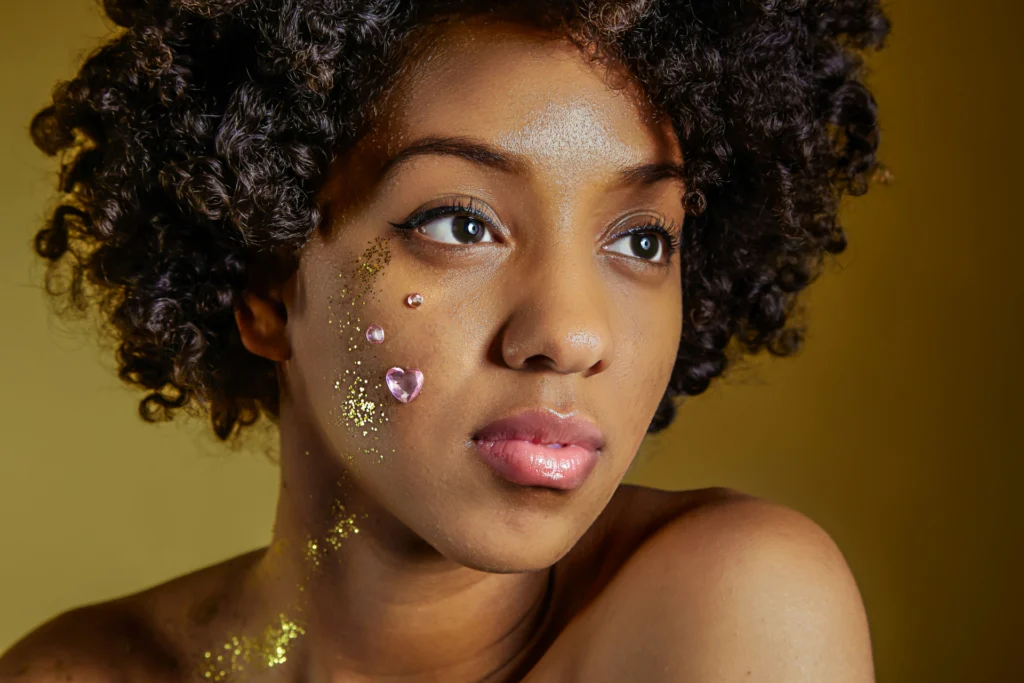
Remember that porosity issue? Applying products correctly is as important as the products themselves. The Super Soaker Method is designed to help low-porosity hair absorb moisture more effectively. This approach saturates your hair with water first, then layers in products while your strands are soaking wet.
Other popular techniques for different hair curl types include the Curly Girl Method, which eliminates sulfates and silicones entirely, and the LOC method (liquid, oil, cream), which layers products in a specific order to lock in hydration. Experimenting with different application techniques can make a bigger difference than switching products.
If you feel like your curls never get longer, you’re not alone in that frustration. Many people with curly hair worry that their texture somehow grows more slowly than straight hair. The reality is more encouraging than you might think.
Hair grows at an average rate of about a half-inch per month, regardless of whether it’s curly or straight. The difference is that curly hair may be breaking at the same rate it’s growing, creating the illusion of no progress. This is why a proper care routine focused on gentle handling and deep moisture is so critical. When you reduce breakage, you’ll finally start seeing the length retention you’ve been hoping for.
The porosity challenge is real, but now you know why products behaved the way they did. Identifying your specific hair curl types gives you a framework for making informed choices instead of guessing. Combining proper nutrition, gentle cleansing and targeted hydration techniques creates the foundation for healthy, predictable curls.

Your email address will only be used to send you our newsletter, and at any time you may unsubscribe. For more information, see our Privacy Policy.
