
Body + Mind is reader-supported. We may earn an affiliate commission when you buy through some of the links on our site.
Many of us can hardly imagine our lives without social media, even if we are old enough to remember a time when it was not widely available. Indeed, many people use these platforms to learn about local events, relationship changes, achievements in the lives of those they know, global news and much more. Their rapid rise has resulted in more coverage of social media addiction.
Social media has also become a major force in the business world, with many company leaders deciding they cannot afford to overlook social media users. Some brands have developed viral videos that rapidly spread worldwide and encourage people to see products in a new way.
Although social media has many positive qualities, it also has downsides. Some users spend hours per day on these platforms and find it challenging to maintain healthy routines. Is social media addiction real, or just a buzzworthy phrase that the media has blown out of proportion? Answering that question is not quite as straightforward as you may think.
The first thing to clarify is that social media addiction is not yet a formal medical condition, but more doctors and other relevant professionals say they are seeing more worrisome signs of problems.
Many patients present with symptoms similar to those professionals have seen associated with other activities that can happen online. Those include gambling, pornography consumption and online gameplay. It’s easy to see why someone who already does those things would find it hard to resist getting pulled into social media platforms, too.
It also doesn’t help that most people have smartphones within easy reach. If you’ve ever found yourself trying to fill time during a slow or boring day, your phone and its social media apps offer quick diversions.
Legal rulings have also concluded that social media platform designs have features to keep users engaged, and some researchers argue that these characteristics collectively override humans’ self-control capabilities.
There will always be more to learn about social media addiction, especially as new platforms enter the market and leaders from existing platforms experiment with new content types.
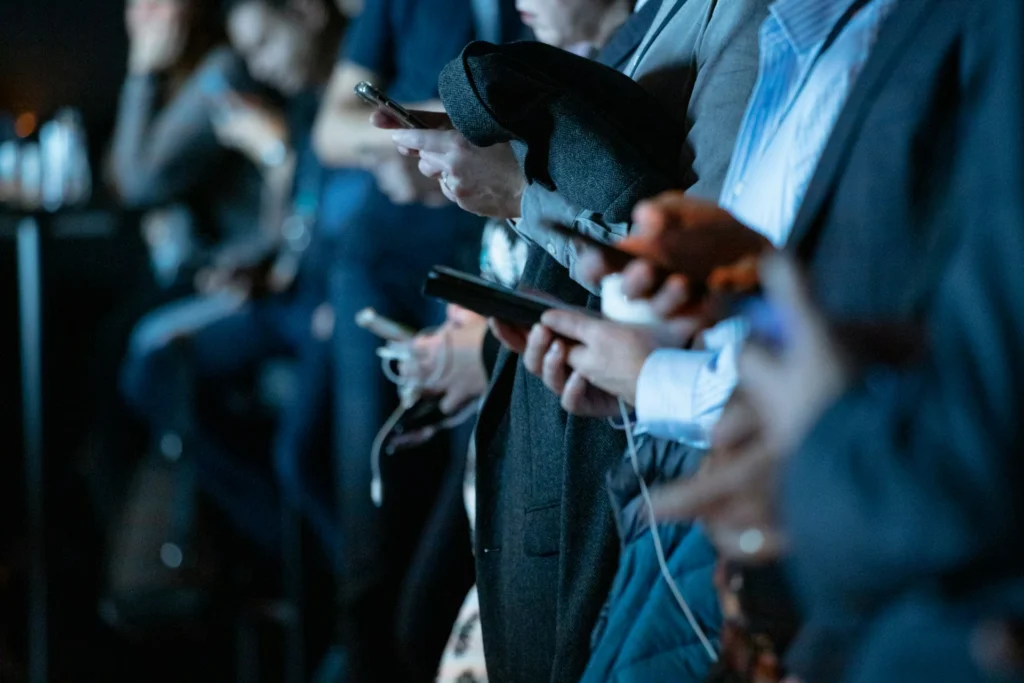
No matter if you seek medical advice about your social media usage, it’s certainly possible to use it excessively.
Start by listening to your body if you’re worried about your social media interactions. Do you feel worse after using social media? Do you frequently get upset by things you see on social media? If so, that’s a sign you may need to cut back.
If you notice that your desire to use social media interferes with other parts of life and makes it difficult to sleep, work or meet obligations, that is a particularly strong indicator of social media addiction. It’s understandable that you may find it hard to take a break from social media and get involved in something else. A good starting point is to use an app that allows limiting how much time you can spend in specific applications.
Some people also feel uneasy if social media networks go down, if their network connection slows or they have no internet access. Those are also potential signs of a social media addiction. Similarly, if you cannot allow yourself to get involved in something else and don’t feel excited by anything unless you are using social media, those are other concerning symptoms.
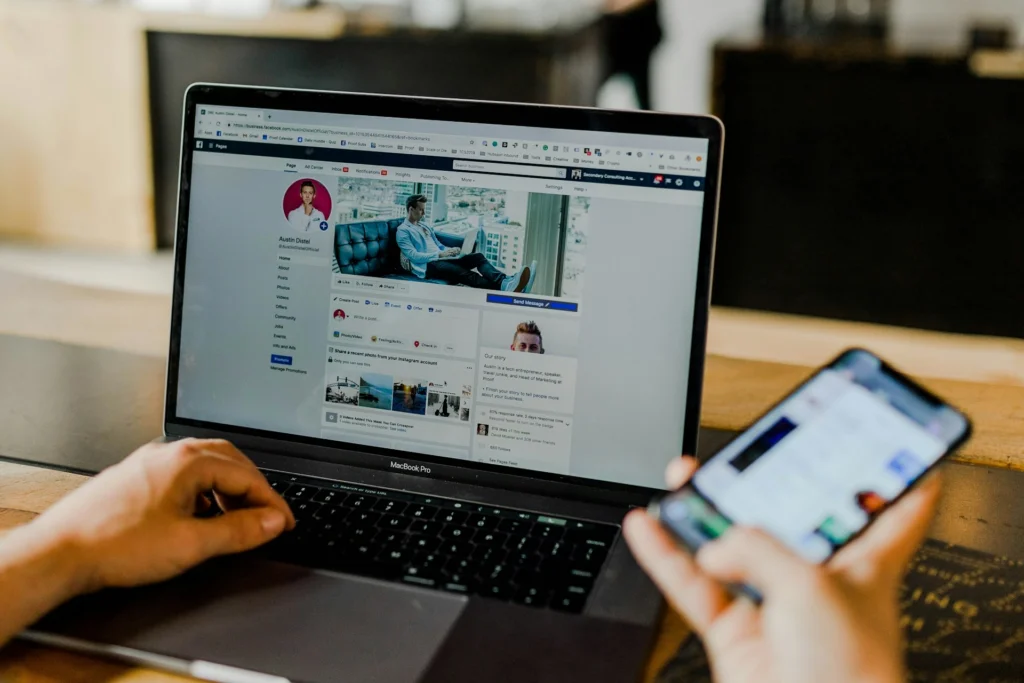
A digital detox is a period where someone intentionally decides to use the internet less. If you’re thinking about doing one but are still on the fence about it, think about how going online affects your life. Do you find it difficult to sleep because of the time you spend scrolling in bed with your face lit by the phone’s screen? Perhaps you find yourself missing out on real-life events because you’re too wrapped up in what’s happening online.
If you decide to go ahead with a digital detox, you’ll be in good company. One study found that 77% of undergraduates on a single college campus felt the need to reduce or limit their phone use.
Although a digital detox is a relatively new concept, you can get ideas for how to do one by following best practices for breaking bad habits or sticking to new, desirable behaviors.

Most people naturally resist change, so it may be hard to use social media less at first. However, you’ll almost certainly feel more motivated if you ask a friend to do the digital detox with you.
Try being especially intentional about the experience by planning activities that don’t involve your phone or any screens. That might mean going to a local park for a picnic, seeing a play performed by a community theater group or simply taking a walk to catch up and give each other undivided attention.
It’s also important to set expectations for a digital detox. For example, how long will you resist unnecessary internet usage, and are you trying to cut down on social media or eliminate it?
The answers to those questions will help you decide how to proceed. You may have additional considerations especially if you must use social media for part of your job or a school assignment.
Your digital detox is also a wonderful opportunity to set relevant goals. Do you want to learn a new hobby? Perhaps now is an ideal time to revisit a once-beloved but now-neglected pastime.
Making goals will help you stay motivated, and it may remind you that there are many things to enjoy in life after breaking a social media addiction. Consider keeping a journal to record everything you accomplish or things you notice during this period.
A final tip is to be kind to yourself, even if your digital detox doesn’t go quite as you expect and you experience a few perceived failures. It may initially feel like you failed, but every such occasion can become a lesson to guide you through other parts of life.
Also, if you find your efforts extremely distressing, that may be assigned that your social media addiction needs professional help. There’s no shame in seeking it, and your provider has likely seen others with similar symptoms.
Although health care providers do not consider it an official diagnosis, social media addiction is a real thing. It can disrupt lives and relationships, and some people need professional support to overcome it.
If you or someone you know struggles with this concern, remember that it can happen to anyone, and having difficulty using social media is not a personal failing. There is still a lot to learn about social media addiction, but for now, the best thing we can do is support those who need it.
Your email address will only be used to send you our newsletter, and at any time you may unsubscribe. For more information, see our Privacy Policy.
