
Body + Mind is reader-supported. We may earn an affiliate commission when you buy through some of the links on our site.
If you think core workout means endless sit-ups, it’s time for an upgrade. Your deep core muscles are the ones that stabilize your spine and support nearly every movement, so they deserve way more attention than they usually get. The best part is that you don’t need fancy equipment or advanced skills to train them effectively. Let’s break down what your deep core actually is and the best exercises you should be doing to strengthen it.
A lot of people think core is just abs, but actually, it’s a complex group of muscles, and the deep core includes the transverse abdominis and pelvic floor — basically, the muscles that wrap around your torso like a natural corset. These muscles stabilize your spine and help prevent excessive force on it.
Traditional sit-ups can create discomfort in your lower back because they press your spine against the floor and heavily engage the hip flexors. When these muscles become tight or overactive, they can pull on the lower spine and lead to discomfort. So, instead of sit-ups can try other exercises that also benefit your core.
Ready to go beyond basic ab workouts? Focusing on core stability can improve balance and reduce the risk of injury, so these deep core exercises can be a good addition to your routine. Whether you’re just starting out or leveling up, these moves will help you build a stronger, more functional deep core.
The dead bug is one of the most effective exercises for learning how to properly engage your deep core. It focuses on coordination and control, helping you stabilize your spine as you move your arms and legs, which is something you do constantly in everyday life.
To do it, simply lie on your back with your arms and legs raised, and gradually lower the opposite arm and leg while keeping your lower back pressed into the floor. Move with control and avoid rushing.
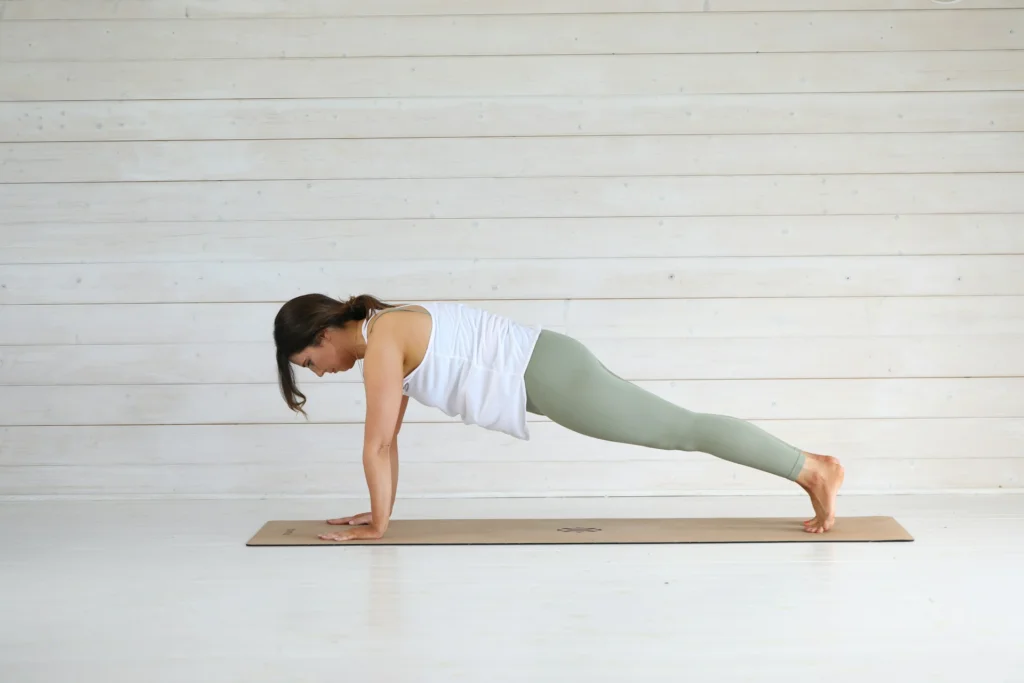
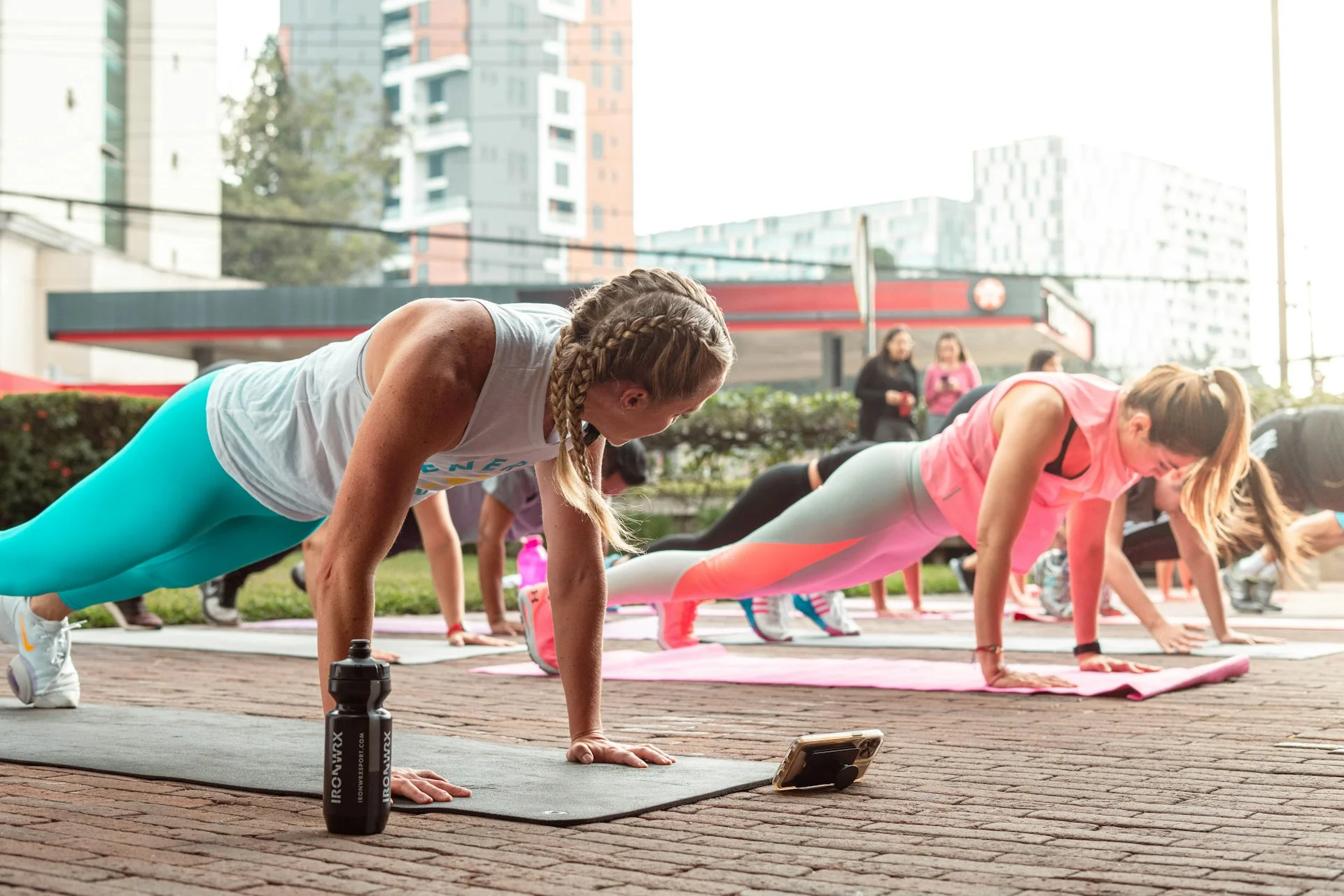
Planks work a wider range of muscles across the front, sides and back of your body, making them a more balanced and effective core exercise. They help build endurance, which is key to fixing your posture. Planks also work your legs, upper body and legs.
A standard plank looks like the top of a push-up. You’re facing the floor and keeping your body straight. Once you get the hang of it, you can mix things up with variations to hit different muscles. One great option is the side plank, where you turn to one side and lift your top arm toward the ceiling.
The basic bridge is a simple but effective exercise that targets both your core and glutes while strengthening the muscles along your spine. It activates the entire posterior chain, including the glutes, hamstrings and hip stabilizers, while also engaging your abs and legs to maintain balance.
To do it, lie on your back. Bend your knees and keep your feet flat on the floor. Lift your hips while keeping your core engaged, then lower slowly. Focus on squeezing your glutes at the top rather than arching your back.
The hollow body hold is a core exercise borrowed from gymnastics that focuses on maintaining spinal alignment while your body is under tension. Instead of bending your spine like in a sit-up, it challenges your core to stay stable and resist movement, just like it does in everyday activities.
Lie on your back and lift your shoulders and legs slightly off the ground while pressing your lower back into the floor. Hold the position steadily, keeping your core tight and your movements minimal.
The Pallof press is excellent for training your core to resist rotation, a crucial skill for protecting your spine during real-life movements. Effective core training is all about stability and injury prevention, since your core muscles work together to support your lower back rather than acting in isolation. This exercise reinforces that idea by teaching your body to resist movement rather than create it.
Using a resistance band or cable, press the handle straight out from your chest and hold it steady. Your torso should stay still throughout the movement. If you feel yourself twisting, reduce the resistance to maintain proper control.
The standing march is a simple but effective way to activate your deep core muscles, especially if you’re just starting out. It also improves balance and coordination in a low-impact way.
Stand tall and slowly lift one knee at a time while keeping your torso stable. Focus on staying upright and controlled, avoiding any leaning or swaying as you move.
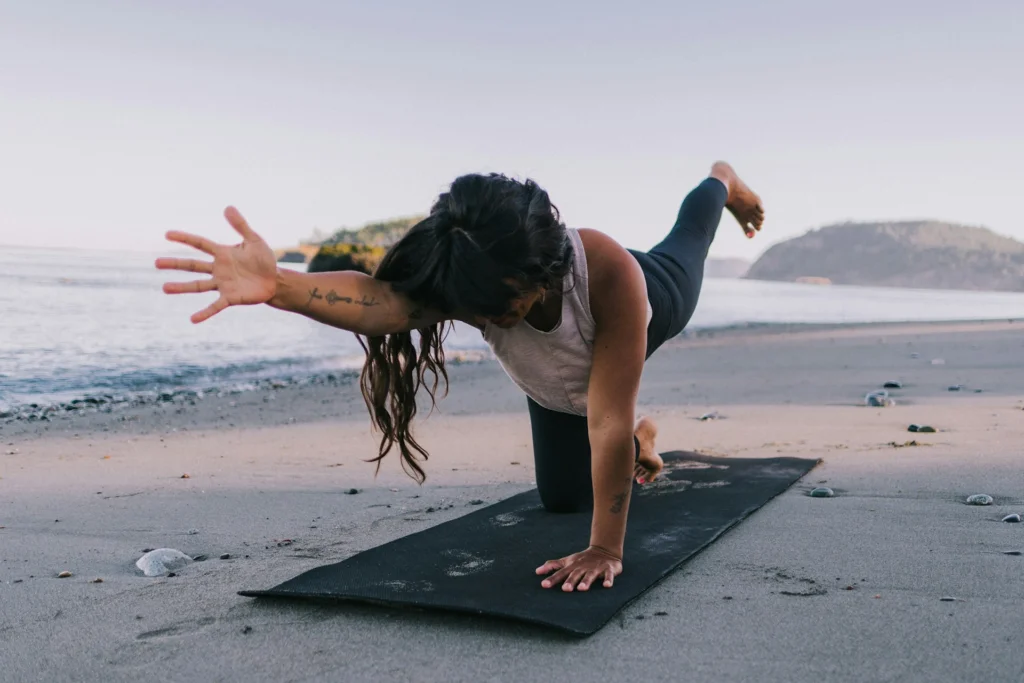
The bird dog builds stability through controlled, balanced movement. It teaches your core to stay engaged while your limbs move independently. It can even help improve lower back pain, as well as posture and coordination.
If you want to try it, start on all fours, then extend the opposite arm and leg. Hold briefly before switching sides. Keep your hips square and your back neutral to get the most out of the movement.
Traditional crunches involve a lot of bending through your spine, which can put extra pressure on your spinal discs and potentially lead to back pain over time. Reverse crunches take a gentler approach. Shifting the movement and bringing your knees toward your chest instead of lifting your upper body reduces strain on your lower back, making reverse crunches a safer, more comfortable option for building core strength, especially if you’re trying to avoid discomfort or injuries.
To do this exercise, lie on your back and bring your knees toward your chest, lifting your hips slightly off the floor. Lower back down slowly and avoid using momentum to maintain the movement’s effectiveness.
The farmer’s carry is a highly functional exercise that builds real-world strength. It challenges your core to stay engaged while your body is in motion, which translates well to everyday activities.
You just need to hold a weight in each hand and walk forward with good posture. Keep your shoulders back and your core tight throughout the movement to maintain stability.
This advanced exercise challenges your core in multiple directions, making it one of the most effective moves for overall stability. It requires strength, control and coordination all at once.
If you want to try it, start in a plank position with your forearms on a stability ball, then move your arms in small circles. Keep your core tight and your body steady to avoid excessive movement.
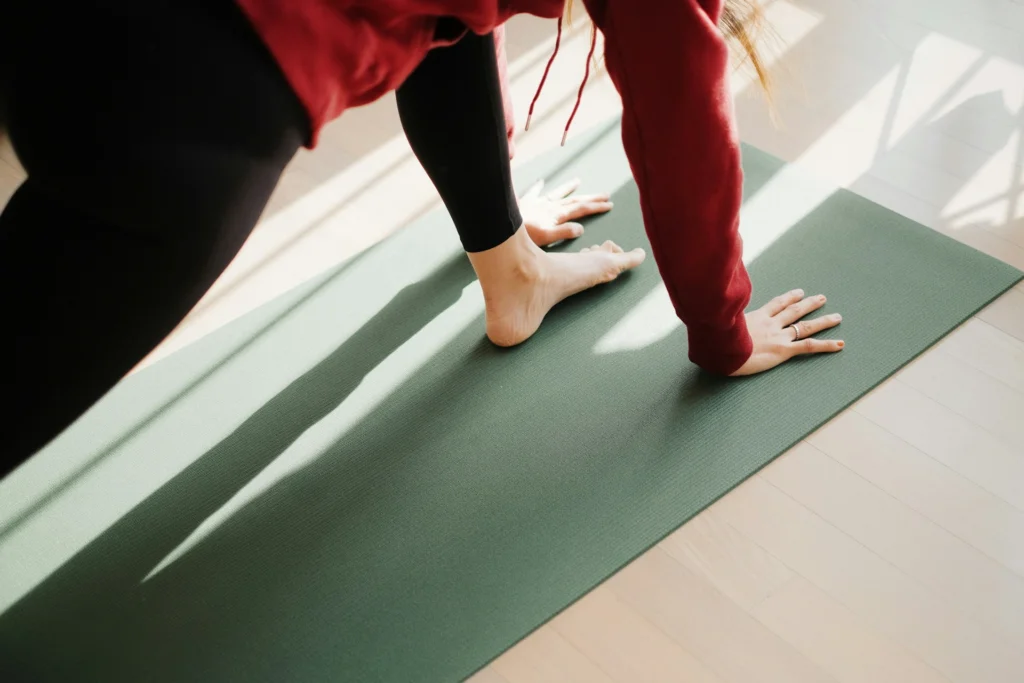
Core training doesn’t have to take much time and simple, gentle exercises can still deliver real benefits. You can add a few moves to your regular workouts or fit in short bursts throughout your day. The key is to start slowly and stay consistent, aiming for two to three sessions per week and gradually increasing the difficulty as exercises become easier. Mixing core work into your routine or spreading it across your day can help you stay motivated, avoid boredom and build strength over time.
Even the best exercises won’t do much if your form isn’t on point. A big mistake people overlook is doing the same type of movement over and over, especially traditional ab exercises. Focusing only on crunches doesn’t properly engage your deeper core muscles and can even increase your risk of injury if your body isn’t trained to stabilize properly. It’s also important to slow down and move with intention. Doing fewer, high-quality reps is far more effective than rushing through a set. Think control, proper breathing and variety if you want to actually see results.
By focusing on stability-based exercises like planks, dead bugs and carries, you’ll build a foundation that supports everything else you do, whether that’s lifting weights, running or just getting through your day pain-free. Start simple, stay consistent and don’t underestimate the basics. Your core does more than you think and to properly take care of it, you just need to start training it the right way.
Your email address will only be used to send you our newsletter, and at any time you may unsubscribe. For more information, see our Privacy Policy.
