
Body + Mind is reader-supported. We may earn an affiliate commission when you buy through some of the links on our site.
Sanitary pads are products you use regularly, often without thinking twice about what they’re made of. However, not all brands have your health in mind. Some products contain materials and chemicals that may irritate sensitive skin or disrupt your body’s biological balance.
So while you’re focused on whether it’s leakproof or will leave visible “pad lines,” it may silently be poisoning you or affecting your vaginal health. This guide breaks down what makes for a safe sanitary pad, what to avoid and how to choose options that support your health and comfort.
Your vaginal area is highly sensitive and absorbent. That means anything that comes into contact with it, including sanitary pads, can affect your body more than you might expect. Some conventional options include synthetic materials, chemical residues and fragrances.
These can lead to:
Your vaginal microbiome prevents infections with its unique pH levels and healthy bacteria, such as Lactobacilli. When that balance shifts, issues like yeast infections or irritation can follow. Even small, repeated exposures can add up over time.

Studies can help you understand which harmful chemicals are used in pads and other sanitary products so you can make better choices. Some ingredients are more concerning than others.
Many intimate products are bleached to achieve a bright white appearance. This process can create dioxins as a by-product, which is linked to hormone disruption and long-term health risks. Even trace contact matters, as these compounds accumulate in the body with repeat exposure. The World Health Organization finds that dioxins can cause reproductive issues and cause cancer by interfering with normal hormone levels.
Recent studies have found phthalates, parabens, dioxins and volatile organic compounds in menstrual products, including in sanitary pads. The most recent of these has sparked a global public debate over the safety of sanitary products, as most tested pads and liners contained two endocrine-disrupting chemicals, regardless of marketing claims, which can affect hormonal health.
While scented products may smell “clean,” it often signals the presence of hidden chemicals. Fragrances may mask various undisclosed chemicals that disrupt your hormones or endocrine system. The chemicals that give you that soft lavender scent may irritate sensitive skin, disrupt your natural pH and trigger allergic reactions. Your product can do its job without being scented. A neutral product is usually the safer option.
Many conventional products use plastic backings and synthetic top layers like rayon, and these materials are known to trap heat and moisture while reducing airflow. The resulting environment lets bacteria and yeast thrive, potentially leading to toxic shock syndrome, which is a high risk when using tampons. That “locked-in” feeling may feel secure, but it can increase discomfort and irritation.
Safe sanitary pads focus on simplicity, breathability and transparency. The best options avoid unnecessary additives and use materials that work with your body.
| What to Look For | What to Know |
| Natural, breathable materials | Options made from organic cotton ventilate better and are free of pesticides, while bamboo fiber is naturally antimicrobial and gentle on the skin. Plant-based materials like banana leaf fibers are lightweight and moisture-wicking, improving airflow and reducing irritation. |
| Chlorine-free processing | Check labels for two common terms — totally chlorine-free (TCF) and elemental chlorine-free (ECF), which means there are no bleaching products used in manufacturing, so you can avoid chlorine derivatives. If you must choose, TCF is a safer option than ECF. |
| Fragrance-free and dye-free | A simple rule is that if it smells all perfumed, skip it. Fragrance-free products reduce the chance of irritation and protect your natural balance. |
| Hypoallergenic design | Look for products that are dermatologically tested, hypoallergenic and suitable for sensitive skin. These labels ensure minimal reactions. |
Packaging can be ambiguous, but looking for a few key details can help you make informed choices.
Third-party certification labels on products provide extra reassurance, so look for Global Organic Textile Standard (GOTS) to verify a brand uses organic fibers and ethical production, or OEKO-TEX Standard 100, which tests for harmful substances. MADE SAFE is another screening label that indicates a product contains no toxic chemicals. Independent safety checks are worth more than clever sales phrasing.
Shorter ingredient lists are usually better. You want to recognize what’s in your choice and avoid products that don’t clearly disclose their materials.
Words like “pure” and “natural” aren’t regulated. Focus on verified claims and certifications instead of vague promises.
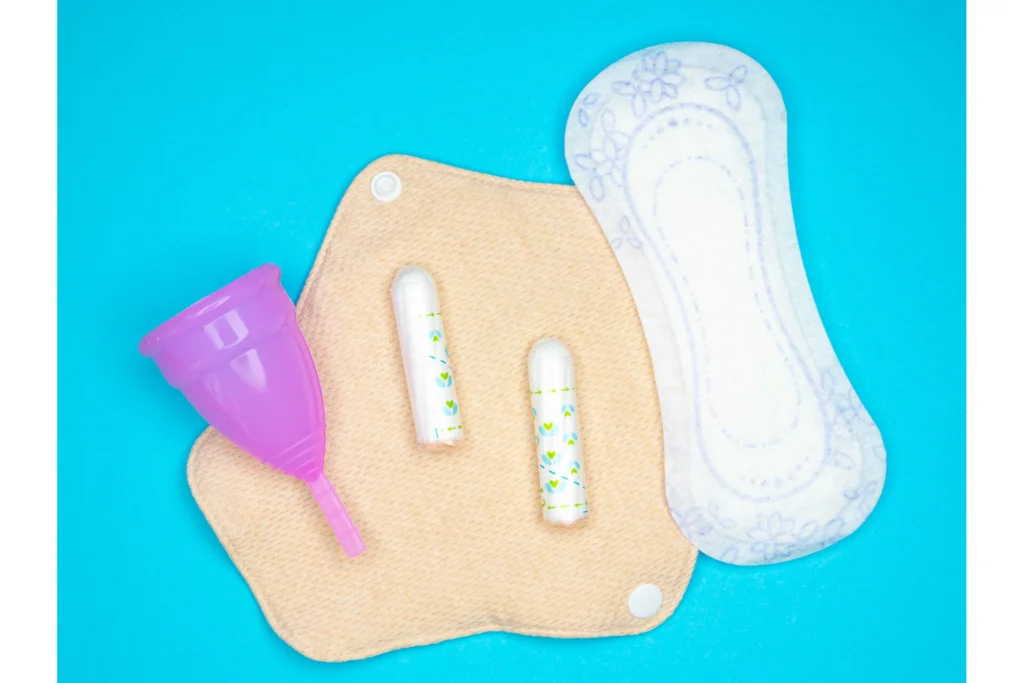
To reduce your exposure, try a few alternatives that offer practical benefits. Instead of a commercial pad, you could try organic disposable onces, which look and work like regular types but are made with safe materials. Reusable cloth options are safer when washable and free from synthetic chemicals. Ensure you use non-chemical soap to wash reusable options and maintain good hygiene standards.
Period underwear absorbs flow, is breathable and reusable, which makes it an ideal choice for light days. Menstrual cups or disks eliminate the need for absorbent materials and are made from medical-grade silicone for long-term reuse.
If you prefer disposable products, these brands consistently prioritize your safety.
Natracare is a solid choice for sensitive skin and eco-conscious shoppers. It features an organic cotton top sheet, is fragrance- and perfume-free and contains wood cellulose pulp for absorption.
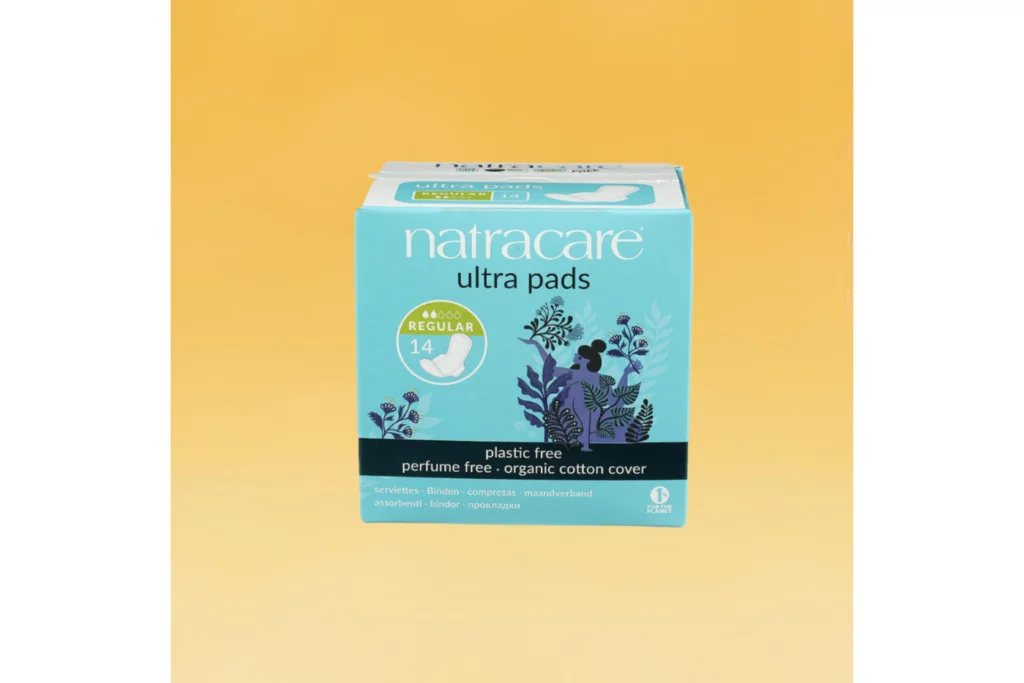
Get Natracare Slim Fitting Ultra Pads on Amazon
Rael Pads are a favorite among thousands of women, and they’re even FSA- or HSA-eligible. It’s chlorine- and fragrance-free with an organic cotton topsheet. The pad is hypoallergenic and safe for sensitive skin. Production methods ensure it’s pesticide-free, too, for added peace of mind.

Get Rael Pads for Women from Amazon
Organyc is ideal for very sensitive skin as it’s free of perfumes, dyes, wood pulp and other harmful chemicals. It’s made from 100% cotton on the inside and the outside. Its products feature the ICE and Made SAFE certifications, which attest to third-party quality testing. It’s chlorine-, latex- and paraben-free.
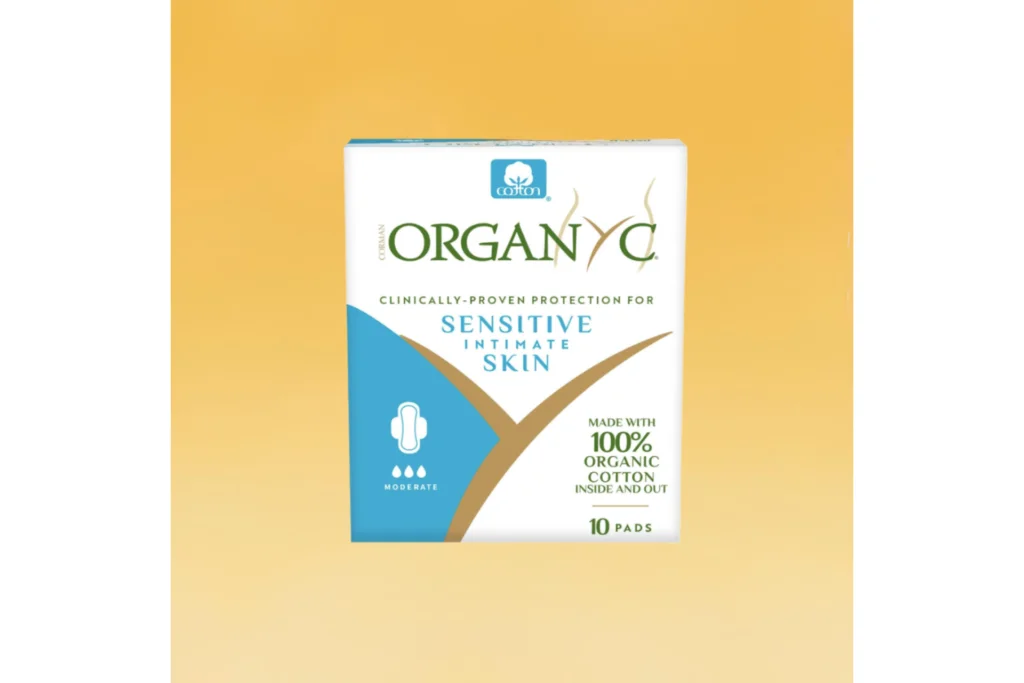
Get Organyc Organic Cotton Pads on Amazon
Featuring the organic cotton topsheet, these Cora pads are hypoallergenic and skin-safe. It’s free of harsh chemicals and unscented. You’ll be safe from chlorine and dyes.
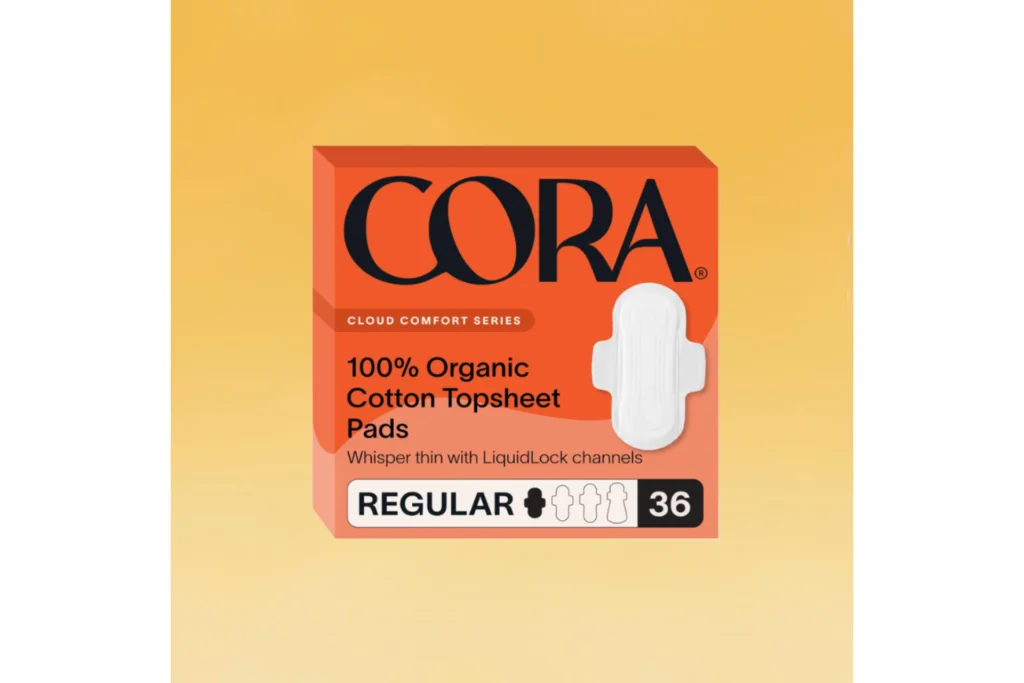
Get Cora 100% Organic Cotton Topsheet Pads from Amazon
The 100% cotton cover is hypoallergenic, and the herbal infusion of mint, aloe vera and lavender is ideal for a naturally fragranced option that eases menstrual discomfort. Most of the company’s sanitary products are plant-derived and clinically tested.
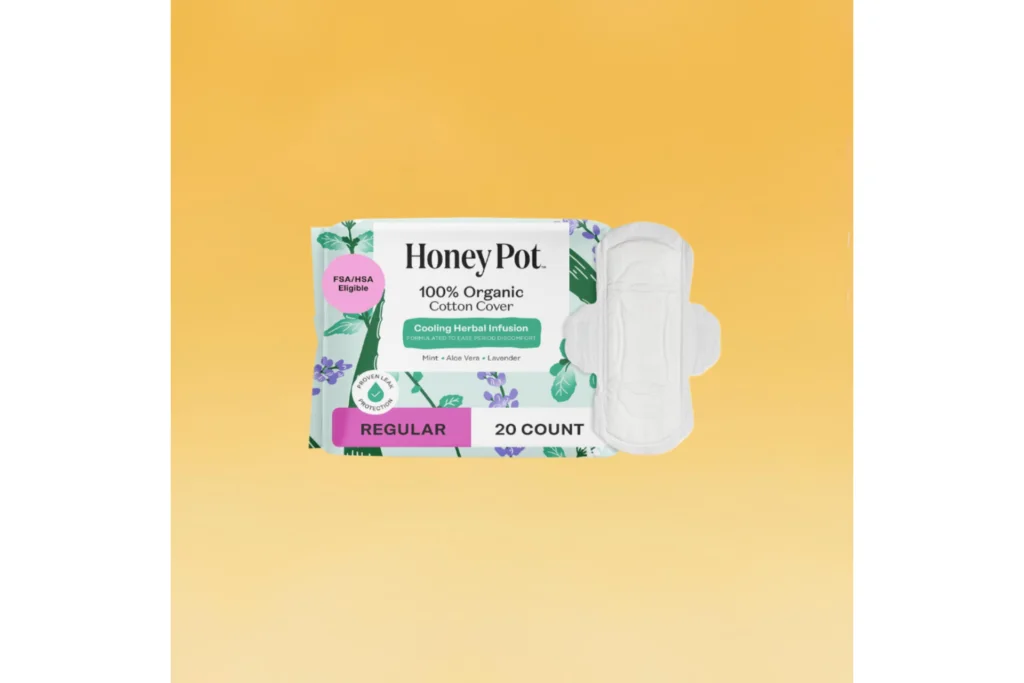
Get The Honey Pot Company – Herbal Sanitary Pads from Amazon
Even the best pad needs to be used correctly to support your health. Change pads every four to six hours to reduce moisture buildup, choose the right absorbency levels to avoid wearing overly thick products and stay aware of reactions. Switch products if you notice irritation and store all sanitary products in a cool, dry place.
Resolve more period pad questions with the right information.
You should change your pad, even if it’s not full, every four to six hours to avoid moisture buildup and maintain good vaginal hygiene.
Yes, modern options are designed to absorb effectively without synthetic gels. You can use organic types without sacrificing comfort.
Not all do, so look for brands that avoid harmful chemicals and focus on simple, transparent processes and safe materials.
Understanding what goes into your sanitary products gives you control over what touches your body. Safer sanitary pads focus on breathable materials, minimal processing and honest labeling. Once you know what to look for, choosing better options becomes second nature. A simple change can make your period feel a lot more comfortable.

Your email address will only be used to send you our newsletter, and at any time you may unsubscribe. For more information, see our Privacy Policy.
