

Body + Mind is reader-supported. We may earn an affiliate commission when you buy through some of the links on our site.
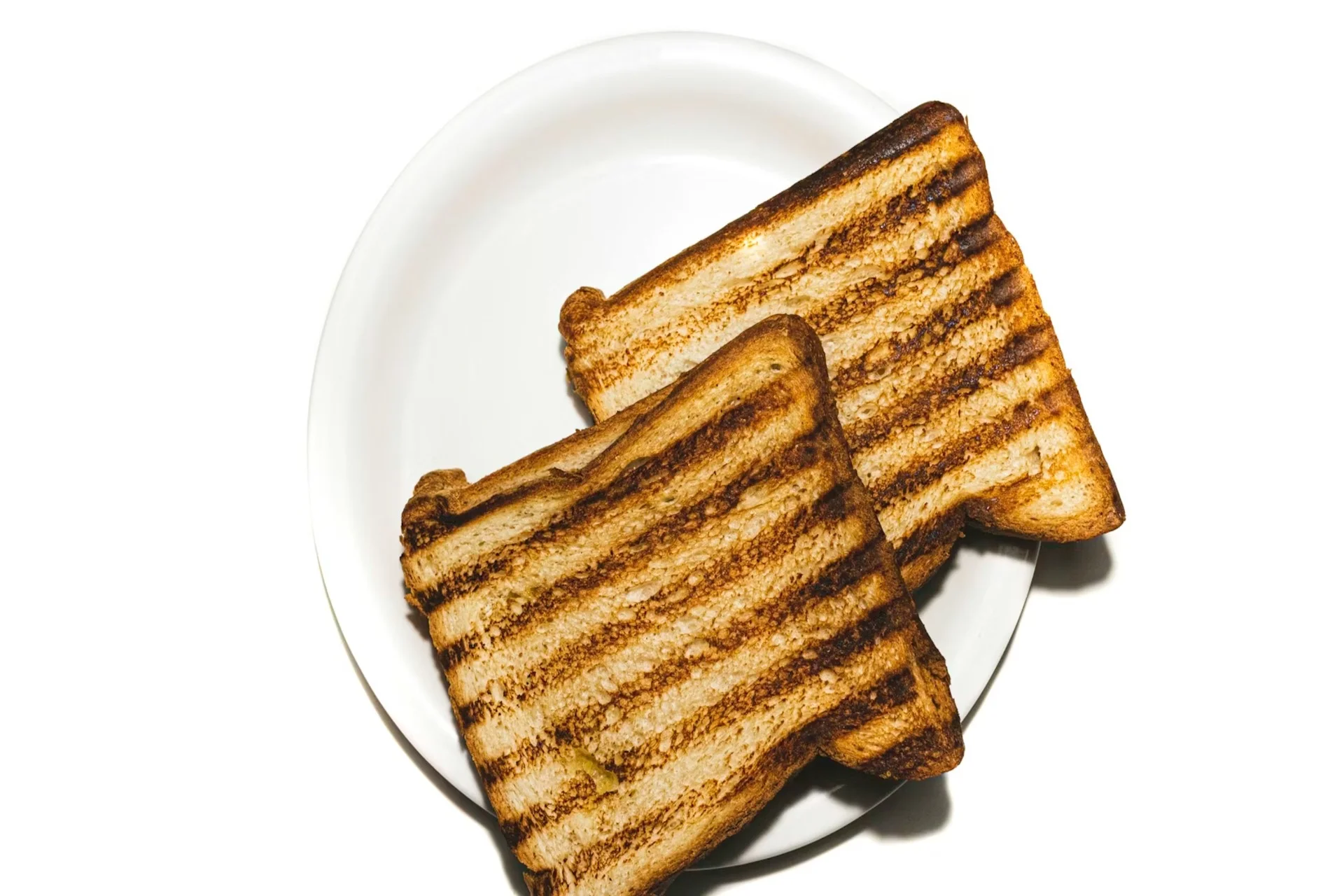
I used to let the smallest things ruin my day — a spilled latte, an unexpected detour and a dead phone battery. These minor inconveniences would send me spiraling into anxiety. Then I discovered the burnt toast theory, and it changed how I handle daily stress. Instead of letting annoyances control my mood, I view them as redirections toward something better. Explore how this simple mindset shift has helped me manage my anxiety.

My mornings felt like obstacle courses. Traffic delays made me grip the steering wheel until my knuckles turned white. Forgetting my laptop charger at home felt catastrophic, and spilling coffee on my shirt before an important meeting convinced me the entire day was ruined. Each minor inconvenience was stacked on top of the last until I felt completely overwhelmed.
These weren’t isolated bad days. Psychologists call them micro-stressors or daily hassles, and research shows they have a cumulative impact on your well-being. The constant drip of small frustrations wore me down more than I realized. My anxiety wasn’t always about big life events. Most days, it was triggered by tiny, forgettable moments that somehow felt monumental.
I thought I was overreacting until I learned how common this experience is. Generalized anxiety disorder affects 6.8 million adults in the U.S. alone, and women are twice as likely to experience it. My brain catastrophized everything, turning triggers such as negative thoughts about being late into full-blown panic about my competence.
One evening, scrolling through social media before bed, I came across a video explaining the burnt toast theory. The creator talked about how burning your toast in the morning might save you from a car accident by delaying your commute by two minutes. It sounded ridiculous at first. My skeptical brain immediately dismissed it as toxic positivity dressed up in a catchy phrase.
However, something about the idea stuck with me. Maybe it was the timing, or I was desperate for a new approach. The next morning, when my usual coffee shop was unexpectedly closed, I decided to test the theory instead of spiraling. What if this inconvenience was protecting me from something worse or leading me somewhere better? The shift felt small but significant.
The burnt toast theory is a simple reframing tool that helps you view inconveniences differently. Here’s the core idea:
The theory is rooted in cognitive reappraisal — a psychological strategy where you consciously reframe how you interpret a situation. Research shows that cognitive reappraisal can benefit well-being and mental health over time by changing how we emotionally respond to stressors.
This reframing technique helps interrupt self-defeating thought patterns before they spiral. You’re not pretending the inconvenience didn’t happen or forcing yourself to feel grateful for frustration. You’re simply opening your mind to the possibility that this moment might serve a purpose you can’t see yet.

Adopting the burnt toast theory didn’t magically eliminate my anxiety, but it gave me a practical tool for managing it. When something goes wrong now, I walk through a mental process that helps me reset instead of spiral. These steps have become almost automatic with practice.
I allow myself to feel annoyed without piling guilt on top of the frustration. When I miss the elevator or get stuck behind someone walking slowly, I notice the irritation rising in my chest. I acknowledge it by simply thinking, “This is frustrating.” Giving myself permission to feel frustrated prevents the spiral where I get anxious about being anxious.
Once I’ve acknowledged the frustration, I actively look for a potential upside. The silver lining doesn’t have to be real or even likely. The point is to train my brain to look for possibilities rather than catastrophes. Getting stuck in traffic might mean I avoid construction further down the road. These small reframes shift my perspective from victim to participant.
I ask myself things like “What if this delay is preventing something worse?” The question itself is more important than the answer. By framing the inconvenience as potentially protective or beneficial, I shift from feeling powerless to feeling curious. What if leaving my phone at home means I’ll be more present during lunch? The act of asking changes my relationship with the moment.
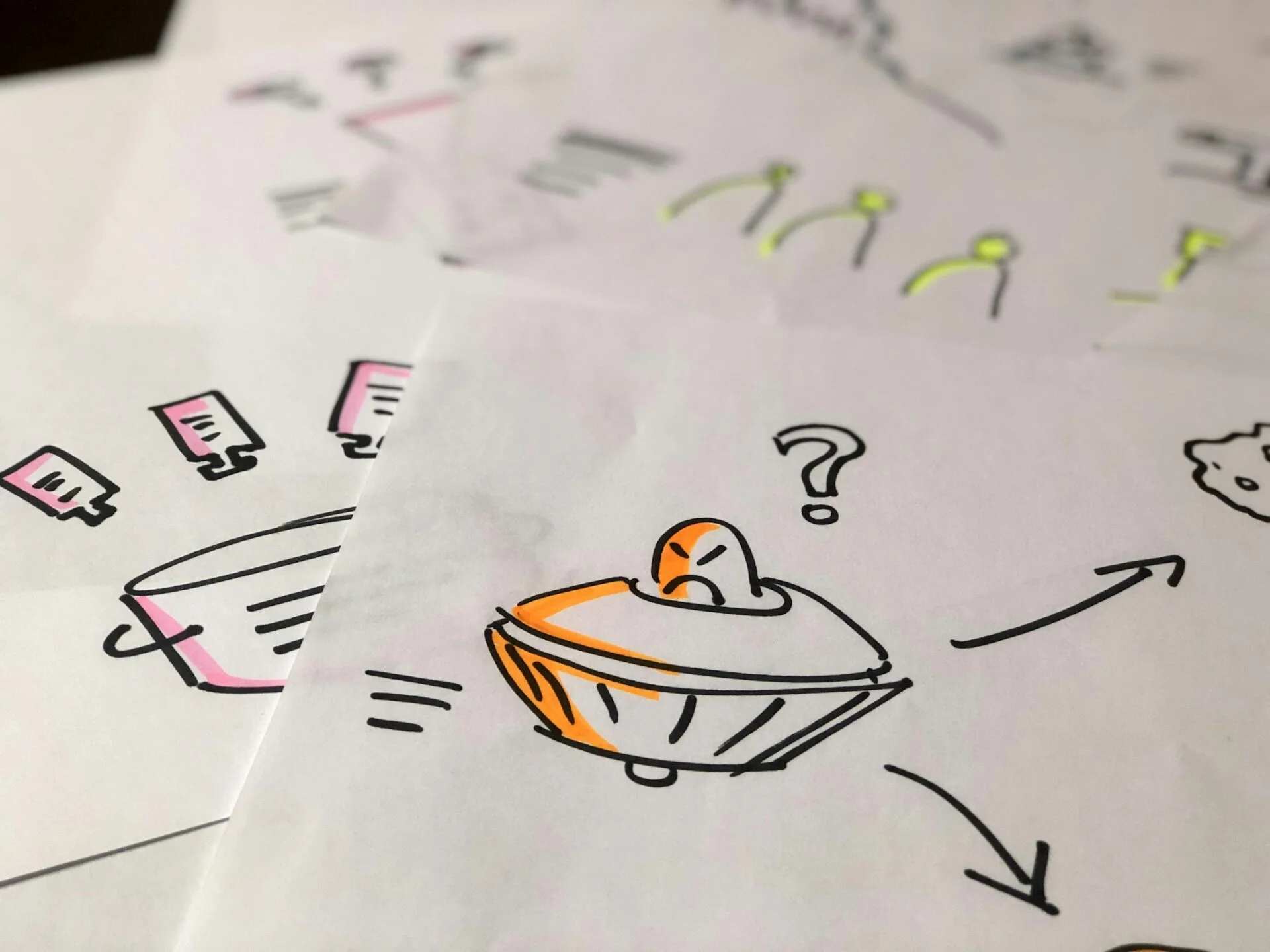
Sometimes, even after reframing the situation, my nervous system still feels activated. Taking a few deep breaths helps, but I’ve also found that simple sensory techniques work wonders. Doodling while I wait can decrease burnout symptoms and give my brain something tangible to focus on. Grounding myself physically helps the cognitive reframing stick and signals to my body that the threat has passed.
Beyond managing moment-to-moment frustrations, this practice has created ripple effects I didn’t anticipate. My relationship with uncertainty has fundamentally shifted. I bounce back from setbacks faster now because I’ve trained myself to look for alternative interpretations instead of jumping straight to worst-case scenarios. That resilience carries over into bigger challenges, not just burnt toast moments.
I’ve also developed more self-compassion. When things go wrong, I’m less likely to blame myself or spiral into thoughts about how I should have prevented the problem. The theory reminds me that some things are simply out of my control, and that’s OK. Accepting that truth has reduced the mental energy I waste on self-criticism.
My problem-solving skills have improved, too. By staying calm instead of panicking when plans fall apart, I can think more clearly about solutions. The mental space created by reframing gives me room to assess situations logically rather than emotionally. Minor inconveniences no longer derail my entire day because I’ve learned to adapt instead of resist.
The burnt toast theory focuses on building resilience to life’s inevitable imperfections and releasing the need to control every detail. Small frustrations will always exist, but they don’t have to define my day or fuel my anxiety. This mindset shift has given me permission to stop fighting minor inconveniences and move through them with more ease.

Your email address will only be used to send you our newsletter, and at any time you may unsubscribe. For more information, see our Privacy Policy.
