


Body + Mind is reader-supported. We may earn an affiliate commission when you buy through some of the links on our site.
You kick your shoes off after a long day and instantly feel that undeniable, maddening itch between your toes. Dealing with a fungal infection can be annoying, but the good news is that there are plenty of pharmacy options and natural remedies at your disposal.
Athlete’s foot, also known as tinea pedis, is a common fungal skin infection usually starting between the toes. The exact fungi responsible for ringworm and jock itch cause this condition. These organisms thrive in warm, damp environments that create the perfect breeding ground for the fungus to multiply rapidly.
Gym enthusiasts and daily runners frequently encounter this issue because of constant friction and sweat. The dark environment inside the sneakers allows the fungus to flourish without interruption. Your risk increases more when you sweat heavily, wear enclosed footwear frequently, skip wearing socks or walk barefoot in public showers and locker rooms. Because the fungus can spread fast, sharing contaminated towels or footwear instantly passes the infection to you.
Look out for these symptoms:
You don’t need to rush to the doctor just yet, as there are pharmacy products that may work for you. Over-the-counter (OTC) solutions are effective and readily available. Knowing the correct active ingredient ensures you resolve the symptoms, especially as not all antifungals function the same way. Some can destroy the organism’s cellular walls upon contact, while others prevent the fungi from multiplying, so your immune system can catch up.
Terbinafine actively kills fungus by blocking a specific enzyme the organism needs to strengthen cell walls. Without this essential building block, the fungal cell structure breaks down quickly and dies off. This action makes it an incredibly rapid OTC solution, and symptoms often resolve within one week.
The cream penetrates the outer layers of the skin to reach the deep-seated fungal spores, preventing the rash from returning weeks later. When applied consistently, you will notice the redness fading and the skin smoothing out within days from the first application.
People prefer to use it for aggressive infections where you need to eliminate the organism quickly, as the ingredient targets the severe burning sensations that make wearing enclosed shoes unbearable. Using a terbinafine-based cream provides rapid relief for those who need to get back on their feet immediately. The fast action minimizes the downtime associated with painful blisters.
These two ingredients belong to the azole family of antifungal agents. They stop an infection from spreading by functioning as fungistatic agents. This means they inhibit the growth and replication of fungal cells. They target and disrupt the production of ergosterol, another critical component required for the cell membrane. Halting the organism’s ability to multiply contains the infection completely.
Containing the infection allows your immune system to clear the problem naturally. They provide a reliable standard for managing mild to moderate cases. You can purchase these in creams or liquid sprays for easy application. They require a longer application period, usually up to four weeks, to ensure the fungus completely disappears.
These ingredients represent the gold standard for long-term management of mild rashes. They are incredibly gentle on irritated skin. People with sensitive skin often favor these azole-based products because they rarely cause additional stinging during application.
Tolnaftate is typically used for resolving existing symptoms and preventing their return. Its primary function stops the growth of the fungus. You will commonly find it in powders and sprays. These formulas absorb excess moisture in your shoes and directly on your skin. This creates a dry environment where the organism simply cannot survive. Applying this protective antifungal barrier stops an infection before it starts.
Athletes often sprinkle tolnaftate powder into their gym bags and daily footwear to maintain a dry atmosphere. This simple daily habit provides an excellent defense against recurring flare-ups. Keeping the skin moisture-free ensures the fungal spores never find a hospitable environment to replicate.
Butenafine provides a highly potent pharmacy option chemically related to terbinafine. It aggressively stops the organism from producing the substance required for its protective cell membrane. This action leads to rapid fungal cell death. This extreme potency allows for a shorter application duration. Applying it once daily for one or two weeks yields excellent results. It resolves stubborn infections found between the toes.
You get a powerful and prescription-strength solution straight from the shelf. The formula targets the severe inflammation and peeling associated with chronic cases. Users appreciate the shortened regimen because it requires less daily maintenance. It clears the skin thoroughly without demanding a month-long commitment to daily creams.

Several evidence-based, natural options have been proven to deliver excellent results alongside traditional pharmacy formulas.
Tea tree oil earns constant praise as an essential oil with natural antiseptic and antifungal properties. Scientific studies identify its active component, terpinen-4-ol, as highly effective at damaging fungal cell membranes. This stops the organism’s growth immediately. Avoid applying the oil directly to the skin since it may cause severe irritation.
Instead, dilute 15 to 20 drops of tea tree oil in two teaspoons of a carrier oil like coconut or olive oil. Add the mixture to a warm foot bath and soak your feet for 15 minutes. This evening ritual soothes tired arches while simultaneously fighting off the unwelcome fungus.
Therapeutic mud baths offer a wonderfully restorative experience for overall skin health. The mineral-rich mud is known to manage a number of skin ailments. The high concentration of sulfur provides natural antifungal and antibacterial properties to create an inhospitable environment for germs.
Geothermal mud also contains a soothing blend of sodium, calcium, magnesium and potassium, which are known to help reduce inflammation and calm irritated skin. While not a standalone cure, this practice definitely complements your daily antifungal routine. (Source: Bodymind)
Supporting your body from the inside out strengthens its defense against fungal attacks. A diet high in sugar and refined carbohydrates feeds yeast and fungi, making your system more susceptible to overgrowth. Including probiotic-rich foods like yogurt, kimchi, kefir and sauerkraut boosts the population of beneficial bacteria in your gut.
These good bacteria help maintain a healthy internal balance. A strong immune system makes it difficult for infections to take hold. Reducing processed sugars gives your body the upper hand in clearing any persistent skin condition.
Consider limiting alcohol intake since it contains high levels of yeast and sugar. Opt for water and herbal teas instead. Your skin relies heavily on your body’s overall nutritional status to heal well.
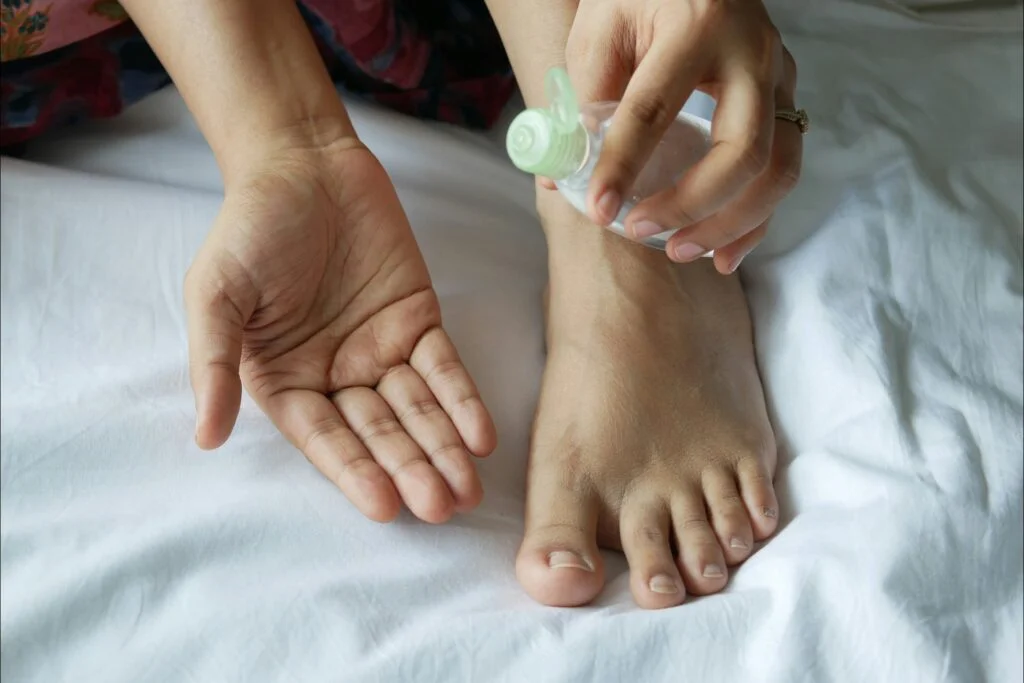
Preventing an infection from returning requires absolute diligence regarding hygiene. First, you must complete the entire course of your antifungal medication. This often takes up to four weeks, even if symptoms disappear quickly. Stopping the application early allows the underlying fungus to survive and multiply again.
Your feet act as a fungal reservoir. The organism hides microscopically in the thickened skin of your soles and heels, which is why you must address the entire foot to eradicate the spores.
Your daily environment matters just as much. Wash your feet thoroughly every day. Dry them completely with a dedicated towel while paying special attention to the spaces between your toes. Change your socks multiple times a day, especially if you have a highly active lifestyle or work in a physically demanding job.
Also, consider purchasing a shoe dryer to eliminate dampness in your sneakers overnight. Rotating your footwear prevents sweat from accumulating in the fabric, giving your shoes a full 24 hours to air out.
Make a habit of applying antifungal powders to your feet and inside your shoes. These powders absorb moisture to inhibit fungal growth. Wash socks, bedsheets, towels and bathmats in hot water. Avoid walking barefoot in communal areas like locker rooms, hotel bathrooms, saunas and pools. Finally, fungal spores in infected toenails cause constant reinfection. You must address any nail issues simultaneously to clear the problem.
While pharmacy solutions work wonders for many, there’s a time to seek professional medical advice. See a podiatrist if your rash fails to improve after two weeks of consistent self-care with an antifungal product. Red flags include significant pain that makes walking difficult, increased swelling and extreme skin cracking.
If the infection keeps coming back or spreads to your hands, a medical professional will provide a targeted diagnosis and stronger prescription medication. This step is absolutely critical for those living with diabetes or have a compromised immune system.
For these at-risk groups, a minor fungal issue may easily lead to complications. Cellulitis, a bacterial infection indicated by swelling, increased heat, pus or fever, requires immediate medical attention to prevent systemic problems. A doctor will evaluate the severity of the rash and prescribe oral medication when topical creams fall short.
Taking proactive steps toward better foot hygiene empowers you to stay active and comfortable. You deserve to wear sandals or walk barefoot without a second thought about itching or flaking skin. Taking care of fungal issues early with the right solutions protects your body from unnecessary discomfort. Stock up on proper footwear, keep your skin dry and pay attention to early warning signs. Consistent daily care keeps your feet fresh and perfectly healthy for any day.

Your email address will only be used to send you our newsletter, and at any time you may unsubscribe. For more information, see our Privacy Policy.
