

Body + Mind is reader-supported. We may earn an affiliate commission when you buy through some of the links on our site.
Matcha has become a familiar favorite for anyone looking for an alternative to coffee. However, hojicha, another Japanese green tea, is quietly earning a place in the spotlight. While both teas come from the Camellia sinensis plant, they taste, look and feel remarkably different.
Deciding between hojicha vs. matcha for your daily ritual depends on what you want from your cup, whether that’s a focused morning boost or a gentler afternoon drink.
The difference between hojicha vs. matcha’s taste comes down to how each tea is processed. Matcha is made from shade-grown tea leaves that are steamed, dried and stone-milled into a fine powder, preserving its vibrant green color and savory, umami character. Its flavor is typically earthy, grassy and rich in umami, with a creamy texture when whisked properly.
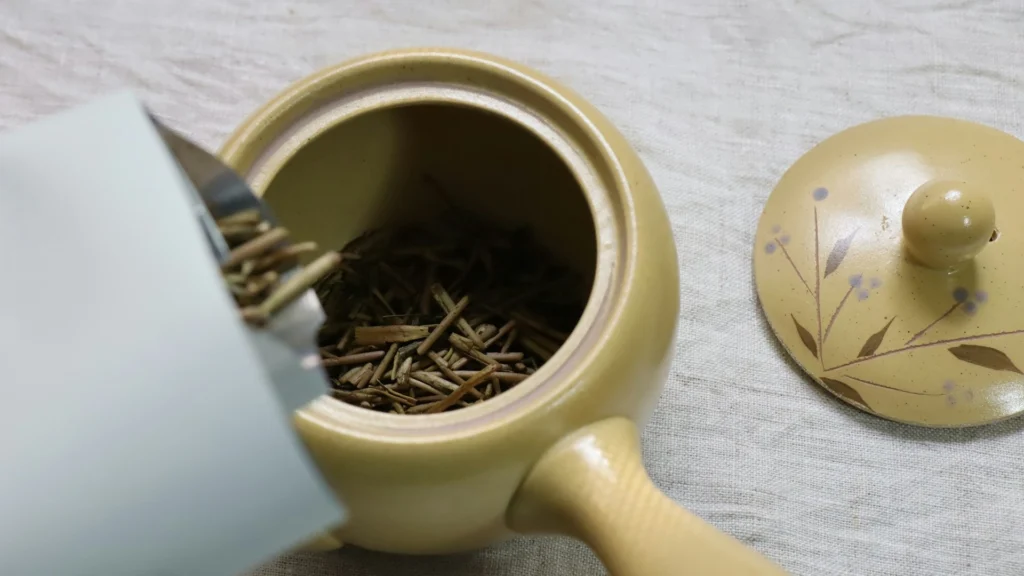
Hojicha, on the other hand, is roasted at high heat, traditionally over charcoal or in a roasting vessel, transforming the tea into something warm, nutty, toasty and almost caramel-like. Roasting also reduces some of the bitterness and astringency associated with unroasted green tea. If traditional green tea tastes a little too grassy for you, hojicha may be the easier introduction.
Both matcha and hojicha contain caffeine and L-theanine because they originate from the same tea plant. However, the amounts can differ considerably depending on the leaves used, growing conditions, processing and serving size.
Matcha tends to deliver more caffeine because you consume the entire powdered tea leaf rather than simply steeping the leaves and discarding them. Its shade-grown leaves are also naturally rich in L-theanine. Hojicha is generally much lower in caffeine, partly because it is often made from mature leaves or stems and then subjected to high-temperature roasting.
L-theanine is an amino acid associated with the relaxed, composed feeling many people associate with tea. Rather than acting as a sedative, it appears to influence processes involved in relaxation and attention. Research on combinations of L-theanine and caffeine suggests that the pairing may support attention and certain aspects of mood, although individual responses vary.
Your choice between matcha vs. hojicha isn’t only about taste. Caffeine, L-theanine and other tea compounds interact with your nervous system, so the same cup can feel very different depending on your sensitivity to caffeine, your sleep schedule and what you need from the moment.
Think of matcha as the more energizing option and hojicha as the gentler, lower-caffeine choice. Neither is universally better. They’re simply suited to different situations.
If you’re sitting down to write, study, work or tackle a long to-do list, matcha is the stronger candidate. Matcha combines caffeine with L-theanine, a pairing that has been studied for its potential effects on attention and cognitive performance. Recent systematic review evidence suggests that L-theanine plus caffeine can improve performance on certain attentional tasks and may benefit mood, although the effects aren’t guaranteed for everyone.
That combination helps explain why matcha is often described as producing a sense of calm alertness rather than the intense stimulation some people experience from coffee.
Caffeine sensitivity is real. Larger amounts of caffeine can increase feelings of nervousness or jitteriness in some people, particularly those who are sensitive to stimulants. Because hojicha is generally much lower in caffeine than matcha, it can be a gentler option when you want the comfort of tea without as much stimulation.
When you drink your tea can matter almost as much as which tea you choose. Your body’s circadian system naturally promotes alertness during the day and sleepiness at night. Caffeine can interfere with sleep when consumed too close to bedtime and people vary significantly in how quickly they metabolize it.
For a simple routine, try this:
If you’re particularly sensitive to caffeine or preparing for bed soon, a caffeine-free herbal infusion may be a better choice.
Here are the most commonly asked questions about the two drinks.
Hojicha is generally the better choice because it contains substantially less caffeine than matcha. However, it isn’t caffeine-free, so very caffeine-sensitive sleepers may prefer a herbal tea in the evening.
Yes, most people can enjoy both as part of a balanced diet. The key is considering your overall caffeine intake and how your body responds. You might enjoy matcha in the morning and hojicha later in the day.
Hojicha’s composition varies depending on the leaves and stems used and how it is roasted. It usually has a nutty and toasted flavor, like caramel or cocoa.
Hojicha and matcha are two completely different ways to enjoy the same tea plant. Matcha is vibrant, earthy and energizing, making it a natural fit for mornings and focused work. On the other hand, hojicha is warm, roasted and comforting, making it a lovely choice when you want something gentler and more relaxed.
Try both. Give matcha a place in your morning routine, reach for hojicha when you want a mellow afternoon cup and pay attention to how each one makes you feel.

Your email address will only be used to send you our newsletter, and at any time you may unsubscribe. For more information, see our Privacy Policy.
