
Body + Mind is reader-supported. We may earn an affiliate commission when you buy through some of the links on our site.
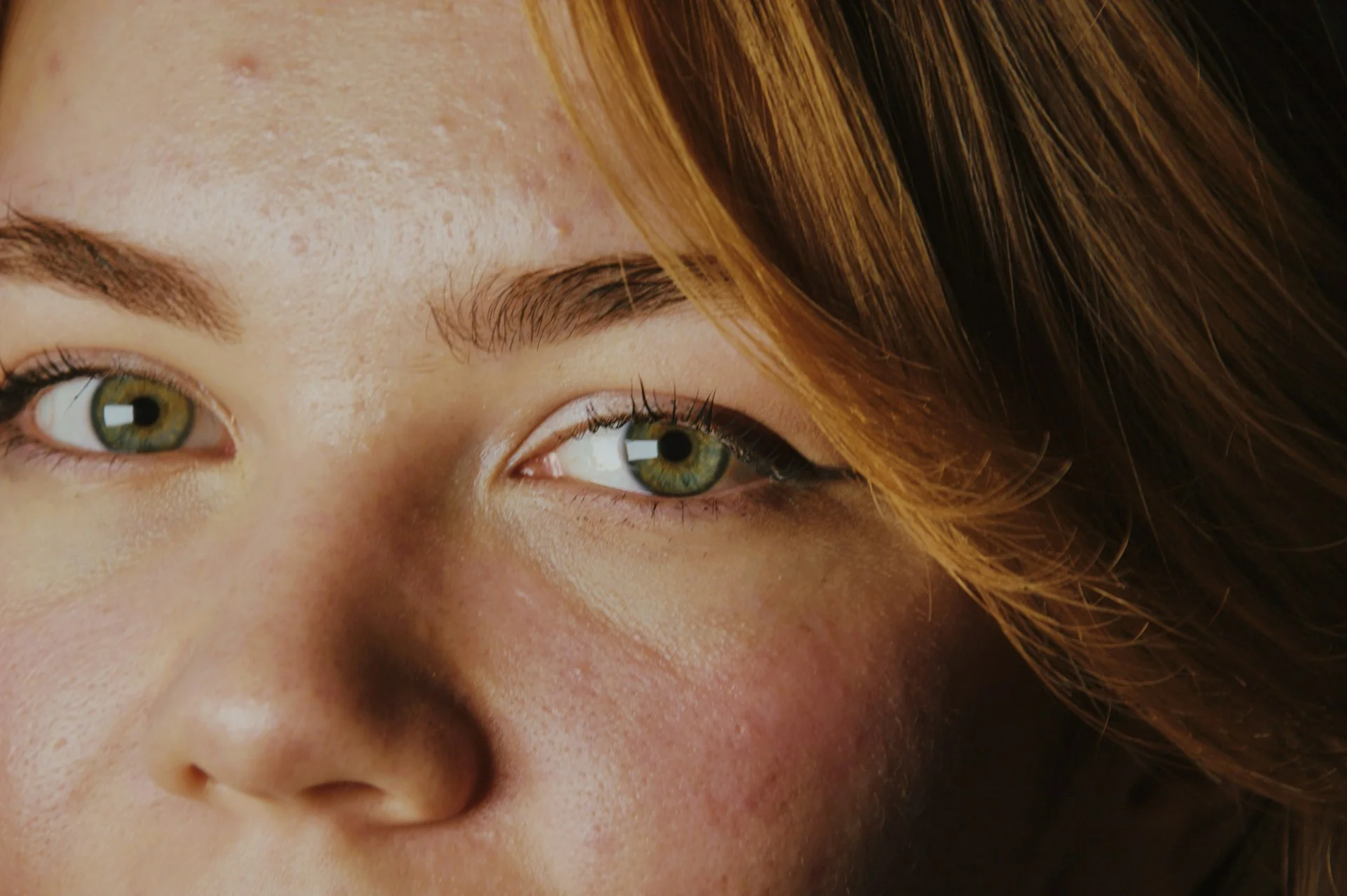
Anyone who has struggled with acne knows how hard it can be to shake the scars it leaves behind. Acne scars are notoriously stubborn and persistent, but that doesn’t mean you should give up on your dream skin. With the proper treatment and patience, you can say goodbye to those uneven textures, discoloration, marks and scars. Here are some of the best acne scar treatments worth considering.
Acne scars are widespread, affecting 95% of people who deal with pimples at some point in their lives. But before you rush out and spend money on treatments, it’s essential to know precisely what you’re working with. Not all acne scars are the same, and different types respond better to different treatments. The following are the types of scars you may find after a breakout.
You should also talk to a dermatologist or another healthcare professional before trying any treatment. They can work with you to find out the best options for your specific condition.
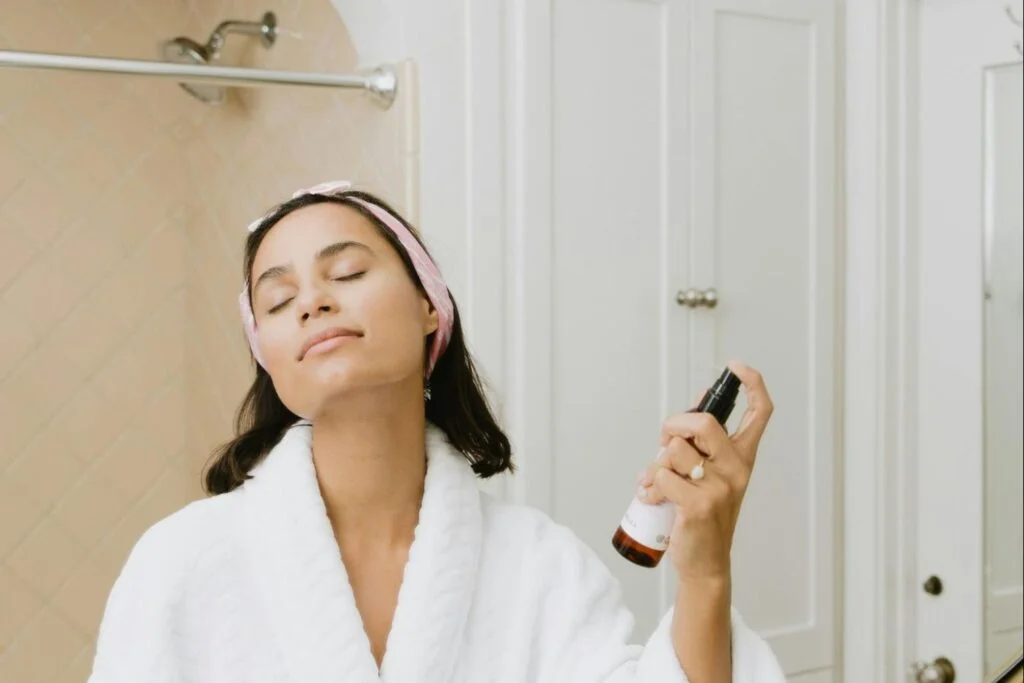
At-home acne scar treatments are typically the first stop for most people. They’re accessible, relatively affordable and can be effective.
You’ll find salicylic acid in cleansing pads, spot treatments, face washes, moisturizers and all kinds of skincare products, and for good reason. It has been proven to treat acne scars, and works by clearing pores, reducing swelling and redness and gently exfoliating the skin. You can easily build it into your daily skin care routine or use it alongside other treatments.
People swear by retinoids to address a wide range of skin issues. While they may be popular for their anti-aging benefits, they are also safe and effective as an acne scar treatment. They make your scars less noticeable by speeding up cell regeneration, improving skin texture and reducing discoloration. You need a prescription from your dermatologist to get retinoids, but lower-strength retinol serums and creams are widely available over the counter.
You’ve probably seen AHAs listed on exfoliating serums and toners, and that’s because they have exfoliating properties. AHAs help prevent clogged pores, remove dead skin cells, and improve overall skin texture, which ultimately reduces the appearance of your acne scars.
Sunscreen is a nonnegotiable step in any skincare routine. Using daily sun protection helps prevent further discoloration and supports the skin as it heals. Try to wear at least SPF 50 if you spend a lot of time outdoors. However, SPF 30 is usually enough to block out UV rays for daily activities.

For more stubborn scars, most people see the most noticeable improvement with in-clinic acne scar treatments. They’re often more effective and quicker than topicals, but you still may want to combine them with a good skincare routine to get healthy and glowing skin.
Your dermatologist may recommend fillers to help even out areas where acne scars have created dips or uneven texture. This treatment involves injecting substances such as collagen, fat or commercial fillers underneath the skin to lift indented acne scars and smooth your skin’s surface. Most fillers last between six and 18 months, though some are permanent.
During a chemical peel, your skin specialist applies a chemical solution to remove the top layer of your skin. The skin that regenerates is usually smoother, so your acne scars won’t look as noticeable. Chemical peels generally come in light, medium and deep strengths. For acne scars, your dermatologist may suggest a medium peel. It works on the outer layer of your skin and part of the upper middle layer.
Laser resurfacing uses focused light to remove the upper layer of your skin affected by acne scars. As your skin heals after treatment, it produces collagen and elastin, which can soften the look of scarring. Your dermatologist may also use lasers to contour the skin around scars.
If you have superficial acne scars, you may consider dermabrasion. Similar to laser resurfacing, it removes the top layer of skin so smoother skin can grow back. However, this acne scar treatment uses a fast-spinning device instead of a laser. Since it works on the mid-layer of the skin, some scars respond better than others.
You can now find microdermabrasion kits that let you do the treatment at home. However, the tools used by skin specialists differ and are much more effective.
Also known as collagen induction therapy, microneedling is a safe and effective option for atrophic acne scars for all skin tones. It uses a small roller or pen covered in tiny needles that gently puncture the skin. The collagen your skin produces during healing can help improve the appearance of your acne scars. It works best when combined with treatments like chemical peels.
Fighting acne scars can sometimes feel like a never-ending battle, but there are now more treatment options than ever. Combine your acne scar treatment with a bit of patience, and you’ll see improvement in no time. If you’re unsure where to start, a dermatologist can help you map out a plan to fit your specific needs.
Your email address will only be used to send you our newsletter, and at any time you may unsubscribe. For more information, see our Privacy Policy.
