

Body + Mind is reader-supported. We may earn an affiliate commission when you buy through some of the links on our site.
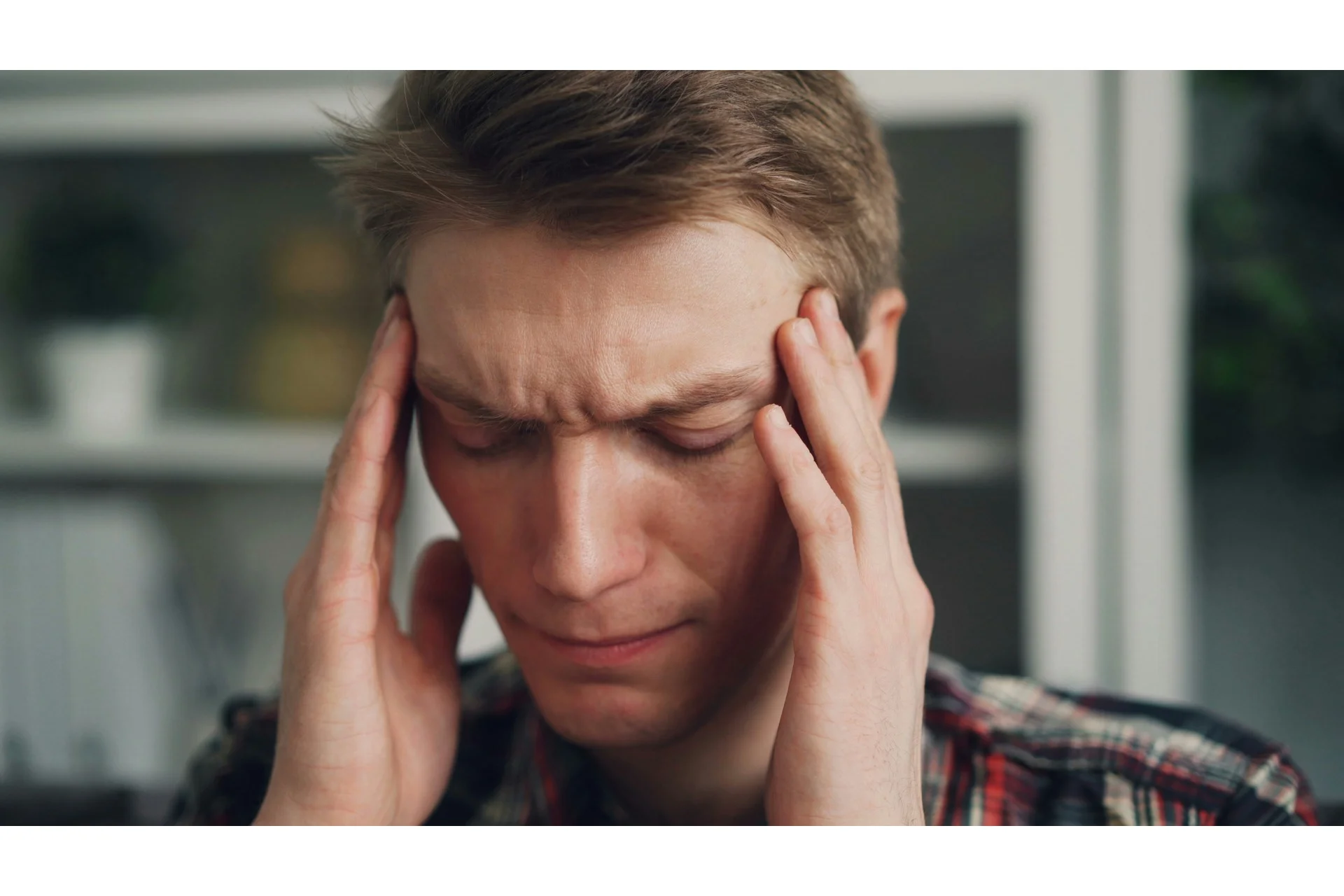
Your alarm goes off, jarring you awake. As you adjust, you feel a dull throb or sharp pain in your head. This frustrating start can derail an entire day. The ache can affect your mood, productivity and overall well-being. However, there are numerous answers to the question, “Why do I wake up with a headache?” Exploring the culprits, from the common to the lesser-known, may help you pinpoint what’s causing yours.

Your lifestyle might be the reason why you’re waking up with a headache. Consider these common culprits.
The brain is roughly 73% water, and when it’s dehydrated, its tissue temporarily contracts or shrinks. This pulling away from the skull can trigger the pain receptors surrounding the brain, resulting in a headache. It can easily happen overnight.
The risk increases when you don’t drink enough water the previous day, sleep in a room warm enough to cause sweating or drink alcohol before bed. This type of headache often feels like a dull, steady ache. Other signs of dehydration may accompany it, such as dry mouth, fatigue and dark-colored urine.
Sleeping while your neck is in an awkward or unsupported position for hours puts significant strain on your neck muscles. This can look like sleeping on your stomach with your head twisted to one side or using a stack of pillows that kinks your neck upward. The tension from the strain can refer pain upward, causing what’s known as cervicogenic headaches.
Do a self-check. If you often wake up with a stiff neck in addition to a headache, this could be a clue that your sleep setup is to blame.
While various factors cause a “hangover headache,” the typical culprits are dehydration and sleep disruption. Alcohol prevents deep, restorative sleep, leaving you feeling tired and achy. Be mindful when you’re drinking. Even a couple of glasses of wine can be enough to disrupt sleep and cause a headache.
If you’re a regular coffee drinker, your body becomes used to the high caffeine intake. Sleeping in later than usual on a weekend and delaying your morning dose can trigger a “caffeine withdrawal” headache.

Here are sleep-related conditions that are also well-known causes of morning headaches.
More than just snoring, sleep apnea involves repeated pauses in breathing throughout the night. These interruptions can cause a drop in blood oxygen levels and a buildup of carbon dioxide. The brain responds by widening blood vessels to improve blood flow, which can increase intracranial pressure and trigger a dull, pressing headache.
Obstructive sleep apnea affects 936 million adults, making it one of the most common sleep disorders worldwide. Classic signs include loud snoring, waking up gasping for air, excessive daytime sleepiness and waking with a dry mouth or sore throat.
Also known as bruxism, this condition creates immense strain on the body. The constant, powerful contraction of the jaw muscles doesn’t just stay in that area. The pressure can radiate outward and up to the temples, causing a classic tension-type headache felt on both sides of the head.
You can grind your teeth with a force of up to 250 pounds while you’re sleeping, and you may not even realize you’re doing it. Look for clues after sleeping. You might have bruxism if you wake up with a sore or tight jaw, facial pain or have chipped or worn-down teeth.
The brain has a deep connection to sleep-wake cycles. A lack of or insufficient deep, restorative rest can trigger tension headaches and can significantly lower the threshold for migraine attacks for some people.
Irregular sleep is often common among shift workers with inconsistent schedules. It can also look like chronic difficulty falling or staying asleep and social jetlag, which involves staying up very late on weekends and getting up early on weekdays.

Here are lesser-known conditions that can contribute to or trigger morning head pain.
This headache type is unique because it’s not caused by another condition. It only develops during sleep and can be painful enough to wake the person up. Hypnic headaches generally affect those who are older than 40, and they typically strike between 1 a.m. and 3 a.m.
Unlike a migraine, a hypnic headache is rarely accompanied by nausea or sensitivity to light and sound. The pain is usually dull and on both sides of the head.
Pain-relief medicines help, but taking too much can cause medication overuse headache, also known as a rebound headache. It’s a paradoxical cycle. You take medication, it works temporarily, so you keep taking it. However, using it too often also causes more frequent headaches. When the medication wears off, the pain rebounds, often feeling even worse than the original ache.

Here are some methods you can use the moment you wake up in pain to find relief before the headache can take over your day.
Determining what’s causing your morning headaches is the most powerful first step to managing them. Keep a headache diary for a week or two. Jot down when the pain starts, how it feels, what you ate or drank the day before and how you slept. This information can help you and your doctor uncover hidden patterns and triggers. Listen to your body and advocate for your health to take back your mornings and start every day feeling great.

Your email address will only be used to send you our newsletter, and at any time you may unsubscribe. For more information, see our Privacy Policy.
