

Body + Mind is reader-supported. We may earn an affiliate commission when you buy through some of the links on our site.
AI in mental health is a huge frontier, and at the moment, it’s something of a wild west. For many people, AI therapy offers enormous benefits. But when it goes wrong — and it can — the risks are off the scale. Can a mental health chatbot really make you happier? The nuanced answer is a qualified yes — but only if you help it to help you.
Let’s explore:
We have all read the reports of people taking their own lives after a mental health chatbot failed to signpost them to real help. For the wrong person, at the wrong time, it can be catastrophic. Yet for the right person, at the right time, AI therapy can be a game-changer. Here’s what you need to know about the risks, the benefits, and how to get the most from a mental health AI chatbot so that you can truly live a richer life.
The impact of AI on mental health could potentially be revolutionary. Against a backdrop of rising mental health needs, long waiting lists, high costs and stigma, it offers three key benefits.
An AI mental health chatbot is available 24/7, any time, any place, for as long as you want to engage with it. No queue, no waiting list, no inconvenient appointment times, no “time’s up for this week.”
With almost half of therapists having no capacity for new clients, and waiting lists often stretching across months, being able to access it when you need it is a huge advantage for people using mental health chatbots.
The anonymity and reduced stigma are also big draws, especially for people who, perhaps for cultural or professional reasons, are more comfortable opening up to a bot than to a person.
AI therapy is often cheaper than human therapy — sometimes very much so.
The nationwide average private pay rate for psychotherapy is $143 per session, and is significantly higher in certain areas. Medicaid rates may be around 40% lower — but one in three providers do not accept insurance. Many individuals, therefore, find themselves caught between a cash-pay market they cannot afford and an insured market they cannot access.
By contrast, the most popular mental health apps often have freemium options — a free plan with an upgrade possibility. Paid plans can range from around $30 to $150 per month, depending on the features included, but even at the highest end, that is still a big saving on in-person therapy.
Where AI in mental health truly excels is in coaching. Bots can provide consistent daily check-ins, remembering and reflecting client progress, concerns, needs and preferences. They can help with identifying triggers, setting goals, reframing understanding, tracking progress and being an all-round supportive cheerleader. Humans can do this too, of course, but not usually with endless patience and at a random moment that suits you, every day or night, without fail.
So far, so good. But what happens if you need more than just a cheerleader? What happens if you are in crisis?
Today’s mental health AI chatbots are astonishingly capable — and they often sound breath-takingly human. Gone are the robotic responses and obvious AI tells of even just a couple of years ago. Have a conversation with one today and you can be forgiven for forgetting that you are talking to an algorithm. But for all of their polish and the clear benefits, there are also clear risks when it comes to the impact of AI on mental health.
The most serious risk is that an AI may not reliably detect a user who is in immediate danger or crisis. And even if it does, it may not always respond appropriately by signposting immediately to human professionals.
The teams behind major AI bots such as ChatGPT and Gemini are assisted by thousands of human trainers and data annotators who work to constantly red team to test, jailbreak and iterate the bots’ safety rules for how they may or may not respond to a user in crisis. However, while the major players have extensive safety protocols, smaller startups might not.
AI simulates empathy through pattern recognition. That can lead to responses that feel hollow or just “off.” Humans are instinctively aware of other people’s emotions — a chatbot is just code, it cannot feel or be aware of anything. A user might say, “I’m fine,” but a human therapist can hear the tremor in their voice and know they are not.
The tendency of mental health chatbots to summarize conversations, periodically stop asking follow-ups and use phrases like “Final thought:” can make a vulnerable user feel like it is ending the conversation or turning them away. It’s not personal, it’s just a programmed conversational boundary, but it can feel very dismissive, because we don’t understand why it happens.
People using AI in mental health are sharing their most intimate thoughts. Where does this data go? Who has access to it? Is it anonymized? Is it being used to train future models? This is a huge concern for many.
AI models are trained on vast datasets. If this data is not diverse or is biased toward or against a certain demographic, the AI’s responses may be unsuitable or even harmful for users from different backgrounds.
Understanding the impact of AI on mental health in abstract is all very well, but how does this apply to you and your personal experience? To get the maximum benefit from AI in mental health therapy, you will need to help it to help you. How? Here are some suggestions.
If you feel suicidal or like you might harm yourself or anyone else, AI cannot help you and could make matters worse. These bots are not designed for that. Instead, use a crisis hotline manned by real people, or contact a mental health professional.
If using a mental health AI chatbot makes you feel worse than you did before, stop. If it escalates your anxiety or makes you feel guilty, ashamed or sad, it’s not right for you. That’s not a “you” problem, that’s an “it” problem.
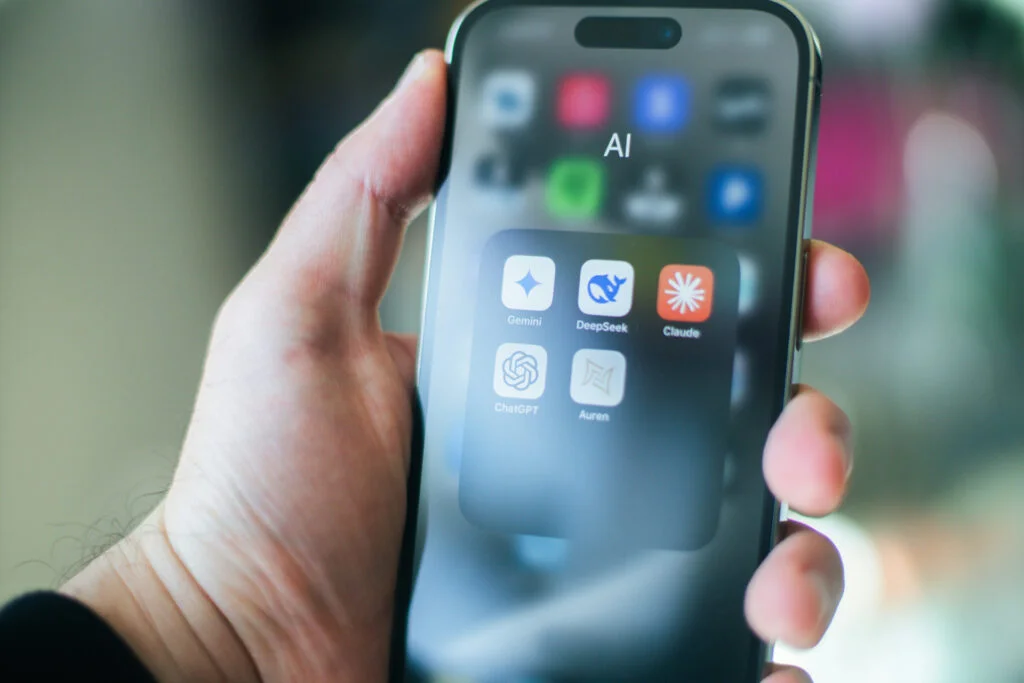
AI in mental health is coded to “remember” different things, depending on the developer. The bot should have settings that let you control this. Allowing it to store some personal information leads to more seamless and potentially more helpful conversations, but you may not feel comfortable with that.
Importantly, understand that memory from a mental health bot does not equal care and lack of memory does not mean rejection. None of this is personal. It’s just code.
If a mental health chatbot stops asking questions or seems to be drawing the conversation to a close, remember that this is just its structural best guess as to what you want. The underlying tech tries to predict where the conversation is going. It often gets that wrong. When it does, it’s perfectly OK to type “I am not done yet, I would like to continue talking.”
Treat interactions as collaborative and give instructions regarding what you need and how you want a model to respond.
Not all models are equal. If you are going to subscribe to an app, choose one developed with clinician input and focused on evidence-based techniques.
AI therapy is a complement to human interaction, not a replacement for it. If you are lonely or isolated, it can be a huge help, but you should still take steps to confide in a real, trusted ally. Humans will always be able to see and interpret what a chatbot cannot.
If you find yourself talking to your pocket therapist more than you talk to real people, or checking every minor decision with the bot, it’s probably time to take a break. Having “someone” there, ready to speak to you at all hours, can be addictive, but avoid using the chatbot for constant validation.
If you want occasional help with anxiety, depression or life coaching-type issues, an AI tool can be extremely effective. However, if you live with serious mental health concerns or you are particularly vulnerable, there are clear risks with this type of engagement. For most people who are just seeking mild to moderate mental health support, chatbots can help — but by knowing the potential issues before you start, you will be better able to leverage these amazing tools to truly enrich your life.
AI in mental health therapy consists largely of mental health chatbots providing low-cost conversational support. This enables many people to self-manage conditions such as anxiety and depression, often in conjunction with professional human support.
No. Mental health chatbots are increasingly popular, but AI is never likely to replace real, human therapists. While bots are good at simulating empathy and care, they cannot substitute the lived human experience that therapists can offer their patients.
This is a matter of personal choice, but there are a wide range of generally well-regarded apps and chatbots available, from free large language models to paid subscriptions. Research carefully and always check whether a bot was developed with input from mental health professionals.
Occasionally, yes. ChatGPT is not specially designed for mental health support, but it can provide supportive input, coaching and general advice. If you are in crisis or particularly vulnerable, you should not rely on any chatbot, but if you are seeking free coaching-style advice, you may find this or other large models helpful. It is not, however, a substitute for professional input.
AI in mental health therapy is not a good replacement for human-to-human therapy. AI therapy cannot reliably handle escalating crisis or trauma, and it may make matters worse for some users. Even at the level of general mental health support, many users find chatbot responses “off” in tone and just do not like or trust the engagement. Others find bots supportive and helpful, to an extent, but there are risks of dependency, biased algorithms and crisis mismanagement.

Your email address will only be used to send you our newsletter, and at any time you may unsubscribe. For more information, see our Privacy Policy.
