

Body + Mind is reader-supported. We may earn an affiliate commission when you buy through some of the links on our site.
If you’re a first-time parent and wondering what a diaper bag is for, you can rest assured that your diaper bag is essentially a tiny emergency room-cum-command center that keeps you moving even on the most chaotic days. Discover simple systems to build your diaper bag and how to roll with the curveballs.
Before you pack anything, you need one rule. If an item does not help you feed, change or soothe, it stays home. That rule keeps your bag from turning into a moving junk drawer. It also keeps you calmer, which is the whole point.
Pack for time away rather than panic. When you’re packing, think in simple blocks. A quick errand usually needs one change and a backup. A two or three-hour outing often needs two to three changes and a backup. A half-day needs more, but still not a full day’s worth. Newborn diaper use can be high, so plan for how long you will need to be out. Try to set up your diaper bag as a system so it’s easy to repeat.
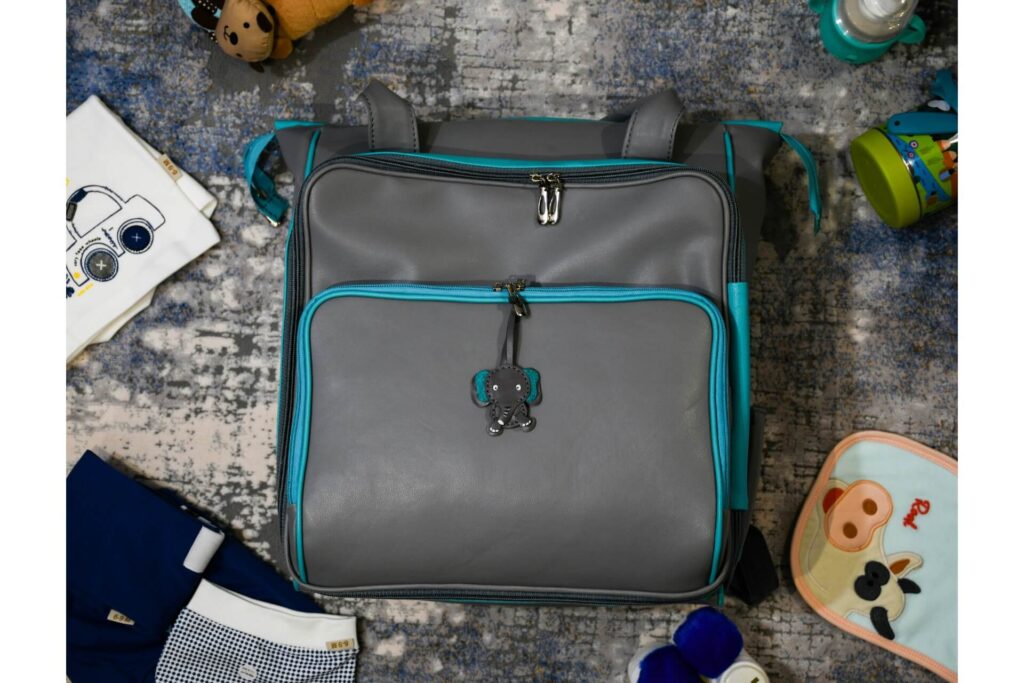
The brand you choose for your diaper bag doesn’t matter much, the layout is more important. If you’re looking for what to pack in a diaper bag for the hospital, you will need a bag you can open with one hand and easily navigate when you’re tired or moving as quickly as the impending blowout demands.
A wide opening beats a tall, narrow bag because it means you’re able to easily see everything inside the bag. Tall, narrow bags mean you will need to stack things, which will ultimately slow you down. Try choosing something that can stand up on its own on a bench or on the floor.
Your shoulders are already carrying a lot, so backpack straps will usually feel best for longer outings. Stroller clips are also extremely helpful if you use a stroller regularly. A crossbody option is useful for quick runs when you don’t want to fully gear up.
To make sure your bag works for you, do a home test by loading it with some heavier items and walking around for two minutes. If it feels annoying in your hallway, it’s definitely going to be worse when you’re outside the house.
Wipeable lining is your friend when it comes to diaper bags. Darker interiors hide stains better and still let you see what you’re doing in the diaper bag. Soft fabric can look cute, but it also holds smells, which may not be ideal for your diaper bag.
Remember that your diaper bag needs to be functional more than it needs to be fashionable. You’ll need to ensure that you have something that works with you and for you.
The core packing list for your diaper bag is the backbone of your bag. Once you have a core packing list in place, everything else will easily fall into place. You can also customize the nonessential items as you become more comfortable with your core list.
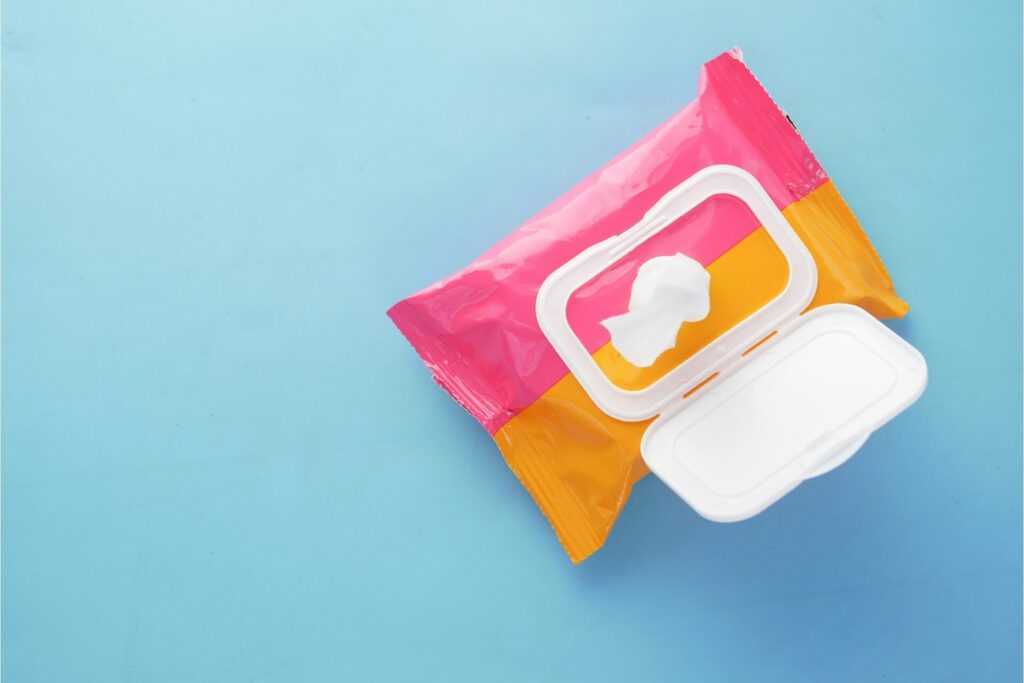
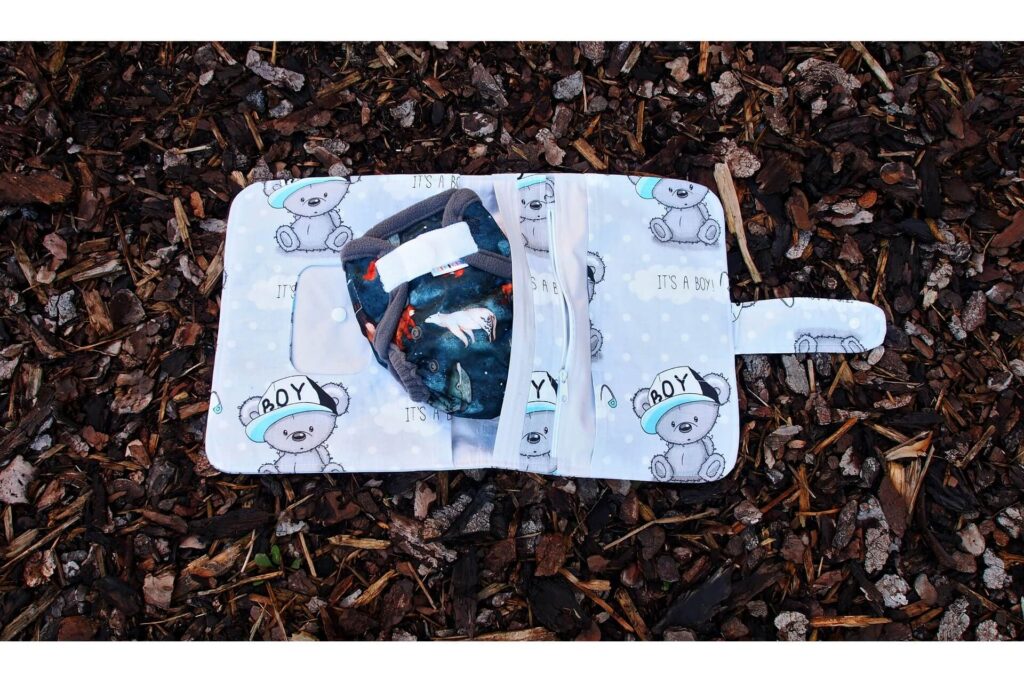
Start your core packing list with diapers and wipes, as these will be your most used and most important items. Plan for roughly a diaper an hour and then add one or two extras. Wipes come next and it’s helpful to keep them in a refillable case to ensure they don’t go dry. Add a foldable changing pad, so you have a clean surface even when the environment is questionable, which is often.
Now, add the small things that save you from the chaos. A handful of disposable bags for dirty diapers and messy clothes, hand sanitizer for when you can’t find a tap and an extra bib or two to ensure your baby is always clean and dry.
Rashes can appear without warning and at the most inconvenient times, so you’ll need a simple plan that fits in one corner of the diaper bag. A travel tube of diaper cream is usually enough, but if your baby has sensitive skin, you might want to add another tube.
Pack clothes that solve problems rather than only those that look adorable in photos. One full outfit that matches the weather, socks, a light layer and a spare shirt for you are usually enough to ensure you’re well-prepared.
Feeding gear is where bags tend to become bulky. However, if you keep it specific and contained, the feeding gear stops spilling into everything else.
If you bottle-feed, make one small feeding pouch. Put your bottle and whatever you use for formula inside the pouch. Pre-measured formula can make feeds faster on the go. One burp cloth is also important, considering you’ll use it even when you least expect it. Keeping all the feeding items together also ensures you can just pull out one pouch when you need to feed.
If you breastfeed, your kit can stay much lighter. Bring along some nursing pads and a burp cloth. Don’t forget about yourself, either. Add in some water and a snack for yourself. Nuts, leafy greens and dark chocolate are all great options for breastfeeding moms. If a cover helps you feel more relaxed, pack a lightweight one that doesn’t take up too much space in the bag.
This is where your pro instincts are going to kick in. Essentially, you’re packing for the moment your baby decides to melt down in the middle of the 5 p.m. grocery run. Keeping a small soothing kit will save you endless tears, from both you and your little one.
If your baby takes a pacifier, pack one in case and consider a backup, considering pacifiers have a nasty habit of disappearing when you need them most. Add a teether and one small toy that is light and quiet. Crinkly books are a great option for this purpose. A muslin cloth is also a great multi-purpose tool that acts as a burp cloth, light blanket or breastfeeding cover.
If your baby naps on the go, bring one tiny sleep cue that matches your home routine so your baby feels comfortable enough to drift off.
Health and wellness include the person carrying the diaper bag. So, give yourself a small pocket of support. It doesn’t have to be fancy. Just enough that you can also feel soothed and steady when you’re out.
Start with water and a snack and then add one comfort item you’ve always wished you had, like a lip balm or hand cream. Hair ties are always a win and will come in handy at the most random times. You can also pack health items like pads or liners and breast pads, especially since the postpartum healing period can last six to eight weeks.
A pro diaper bag is not fancy. Instead, it’s a repeatable system that makes leaving the house just a tiny bit easier and more spontaneous. As you go, you’ll learn what you need and what you can leave behind.

Your email address will only be used to send you our newsletter, and at any time you may unsubscribe. For more information, see our Privacy Policy.
