
Body + Mind is reader-supported. We may earn an affiliate commission when you buy through some of the links on our site.

A lot of things change as you age, including your sleep. You may find it harder to truly rest at night, since you wake up more often and your sleep is shorter and lighter. If it starts to feel like something you struggle with, you may benefit from gentle exercises before bedtime. These short, simple movements can help signal to your body that it’s safe to rest, helping you move into a deep slumber more easily and feel more rested when you wake up in the morning.
If you want to try exercising before bed to help improve your sleep, the following routine takes just 10 minutes. Try to do two to three sets of each exercise, and hold each movement for 30 seconds to a minute.
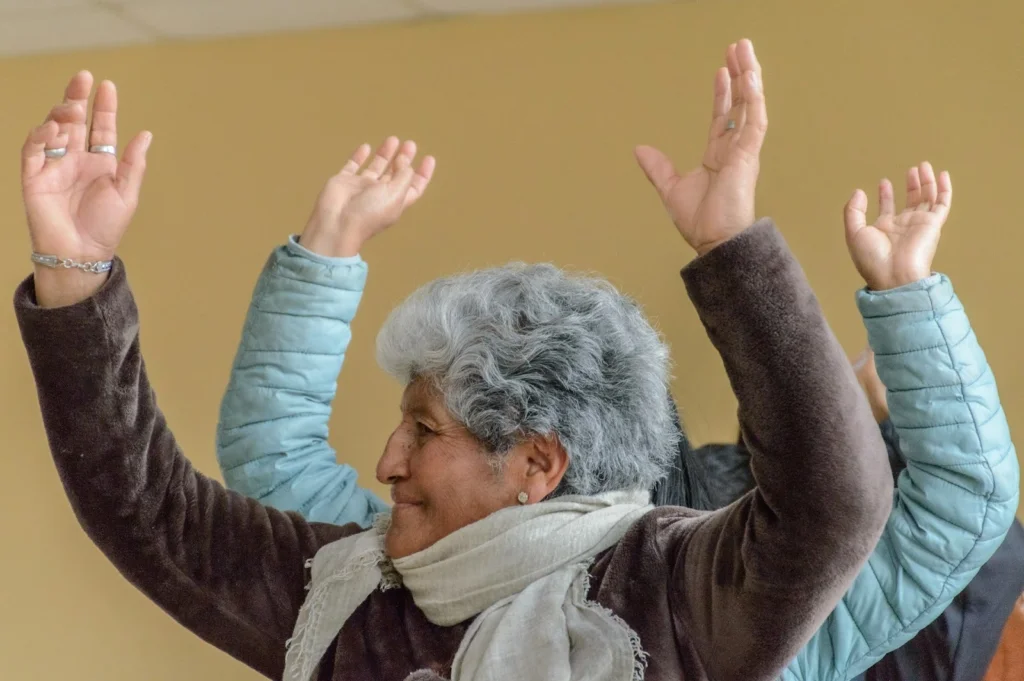
The best way to get started is by taking some deep breaths while sitting or lying down comfortably. Put one hand on your stomach and take in slow breaths through your nose, let your midsection rise, then exhale gently.
This simple technique helps you feel more relaxed, lower your heart rate, ease stress levels and reduce blood pressure. It also prepares you for the rest of the routine, so you can get more out of each stretch that follows.
Next, gently roll your head from side to side, keeping the movement slow and controlled. This is an excellent way to release tension that builds up in the neck after you read, use your phone or sit in one position for too long. After this exercise, you may notice that your upper body feels lighter and more relaxed before bed.
If you get nighttime leg cramps, the hamstring stretch may help. Additionally, it can improve your range of motion, which helps keep your muscles and joints flexible as you age.
To do this exercise, place one foot in front of your body with your heel on the floor and your leg straight. Use a chair or counter for balance if necessary. With a straight back, hinge forward from your hips until you feel a stretch along the back of your leg. Hold for 30 seconds, then switch sides.
Come onto your hands and knees, placing your knees under your hips and your wrists under your shoulders. Slowly round your back by engaging your core and tucking your tailbone in, and hold for about 10 seconds. Then, reverse the movement by slowly letting your belly drop toward the floor as you lift your chest and tailbone. Hold again, then return to neutral and repeat the movement about five to 10 times.
This movement helps loosen a stiff lower back and may help correct poor posture caused by weakened backbones, which is common in older adults. Since you are in a supported position, it’s also a safe and controlled way to move your spine.
This one feels almost too simple to count as exercise, but that’s the point. All you have to do is extend your legs up against a wall while lying on your back. It’s one of the gentlest inversion poses that can help improve circulation and encourage lymphatic flow and drainage. Moreover, it may encourage your whole body to slow down at the end of the day.
End your bedtime exercise with the child’s pose. Kneel down, sit back onto your heels and fold forward until your forehead rests on the ground or on a pillow. Your arms can stretch forward or relax by your sides. Stay in the position for a few breaths or as long as it feels good. This pose signals that your movement is coming to an end.
Exercise does more for your sleep than simply tiring yourself out. Regular movement helps your body to produce more melatonin — the hormone that keeps your sleep-wake cycle ticking along — while also easing stress, which is one of the most common reasons people struggle to fall and stay asleep. It also helps regulate your body temperature, which is an essential cue your body relies on to drift off.
Although being physically active can impact sleep no matter how old you are, it’s increasingly more important for older adults. Research shows that regular exercise can improve sleep quality in people aged 60 and older, regardless of whether they have insomnia.
The best approach is to follow the CDC’s guidelines for physical activity. This means getting at least 150 minutes of aerobic activity per week, as well as at least two days of muscle-strengthening and balance-focused activities. That said, if your schedule is tight or you’re simply looking for an easy way to wind down, low-intensity exercise in the evening has been found to help people fall asleep faster and enjoy better-quality rest.
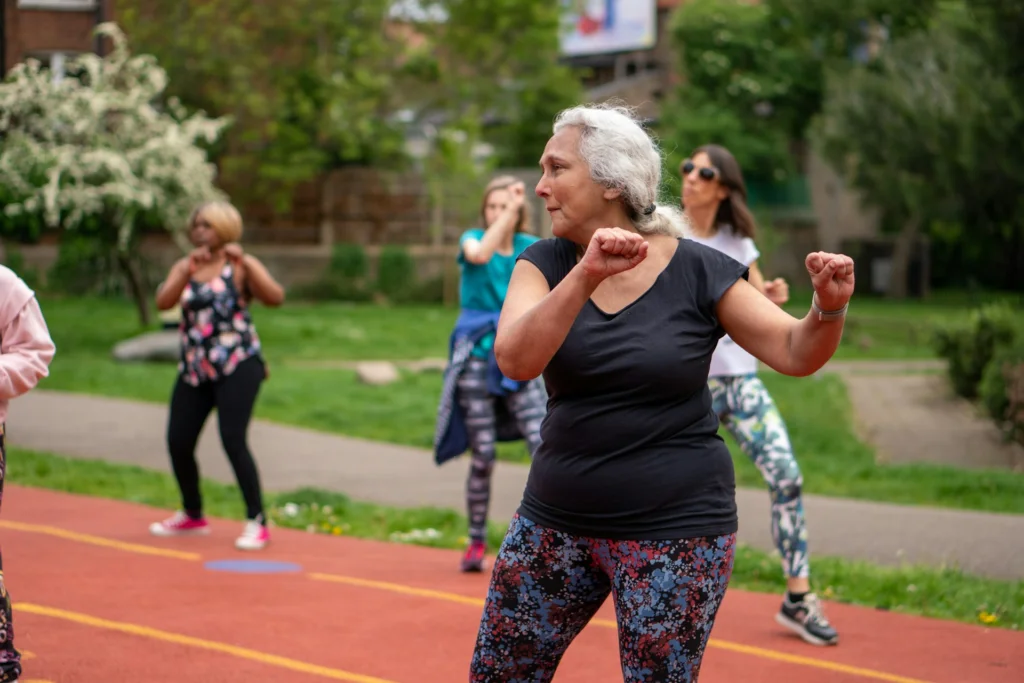
When it comes to improving sleep, the most helpful exercise before bed is gentle stretching or slow, mindful movement like the routine above. These help your body relax, so you may find it easier to fall asleep.
Outside of bedtime, the best exercise depends on your preference. However, cardio exercises like brisk walking and swimming support endurance and strengthen the heart and lungs. These exercises lower your risk of conditions like diabetes, heart disease and certain cancers, too.
A well-rounded routine should also include strength and balance. Light resistance work with bands made of pliable rubber help maintain your muscles. On the other hand, simple balance exercises such as tai chi and yoga could help improve stability.
In general, it’s important to be cautious with movements that involve sudden impact, heavy strain or a higher risk of falling. Exercises like sprinting, lifting heavy weights or overhead presses may not be suitable for adults over 50, especially if balance is an issue.
Before bed, it’s best to avoid high-intensity activities. Fast-paced cardio, heavy weight training or anything that raises your heart rate too much can leave your body feeling alert. These types of exercises are still valuable, but they’re better done earlier in the day or at least three hours before you go to sleep.
Better sleep doesn’t need to be complicated. With just a few minutes of gentle movement, you can help your body relax and prepare for rest. Be consistent, and you’ll start to enjoy a restful sleep again.
Your email address will only be used to send you our newsletter, and at any time you may unsubscribe. For more information, see our Privacy Policy.
