

Body + Mind is reader-supported. We may earn an affiliate commission when you buy through some of the links on our site.
GLP-1 medications like Ozempic and Wegovy took the weight loss world by storm, but a quieter trend has been building in their shadow. Some people are deliberately taking smaller doses than prescribed, hoping to get the benefits with fewer side effects. It’s called microdosing GLP-1 and depending on who you ask, it’s either a smart workaround or a risky shortcut.
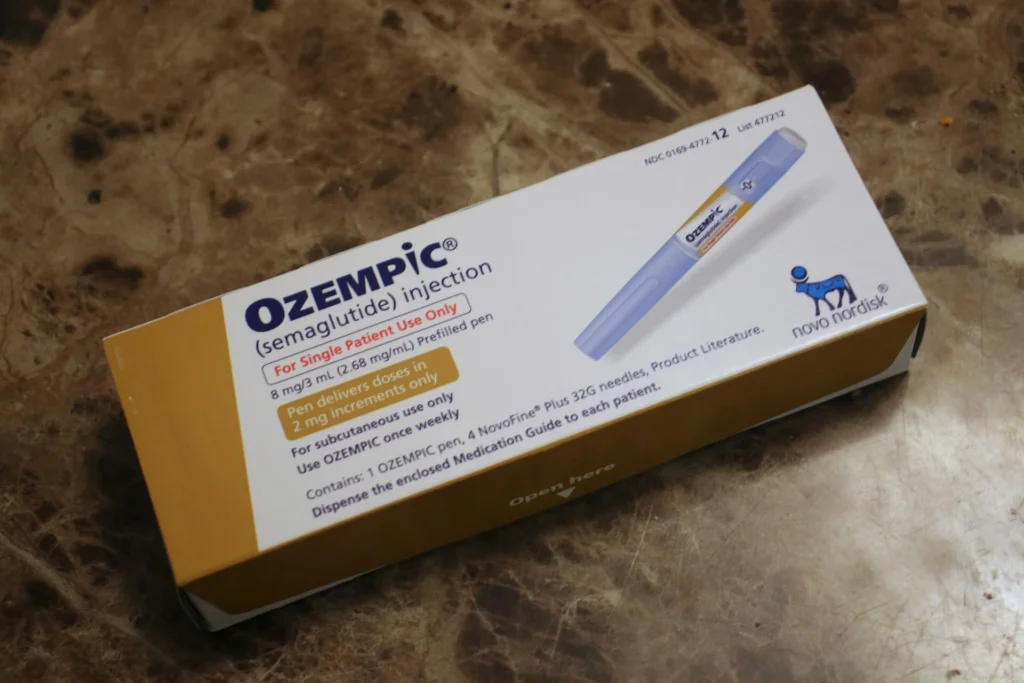
GLP-1s are receptor agonists like semaglutide, sold as Ozempic and Wegovy and tirzepatide, sold as Mounjaro and Zepbound, some with specific dosing schedules. They are traditionally used to treat type 2 diabetes, but have recently been used for weight loss and management. You typically start at a low dose and increase gradually over several weeks until you reach a therapeutic target.
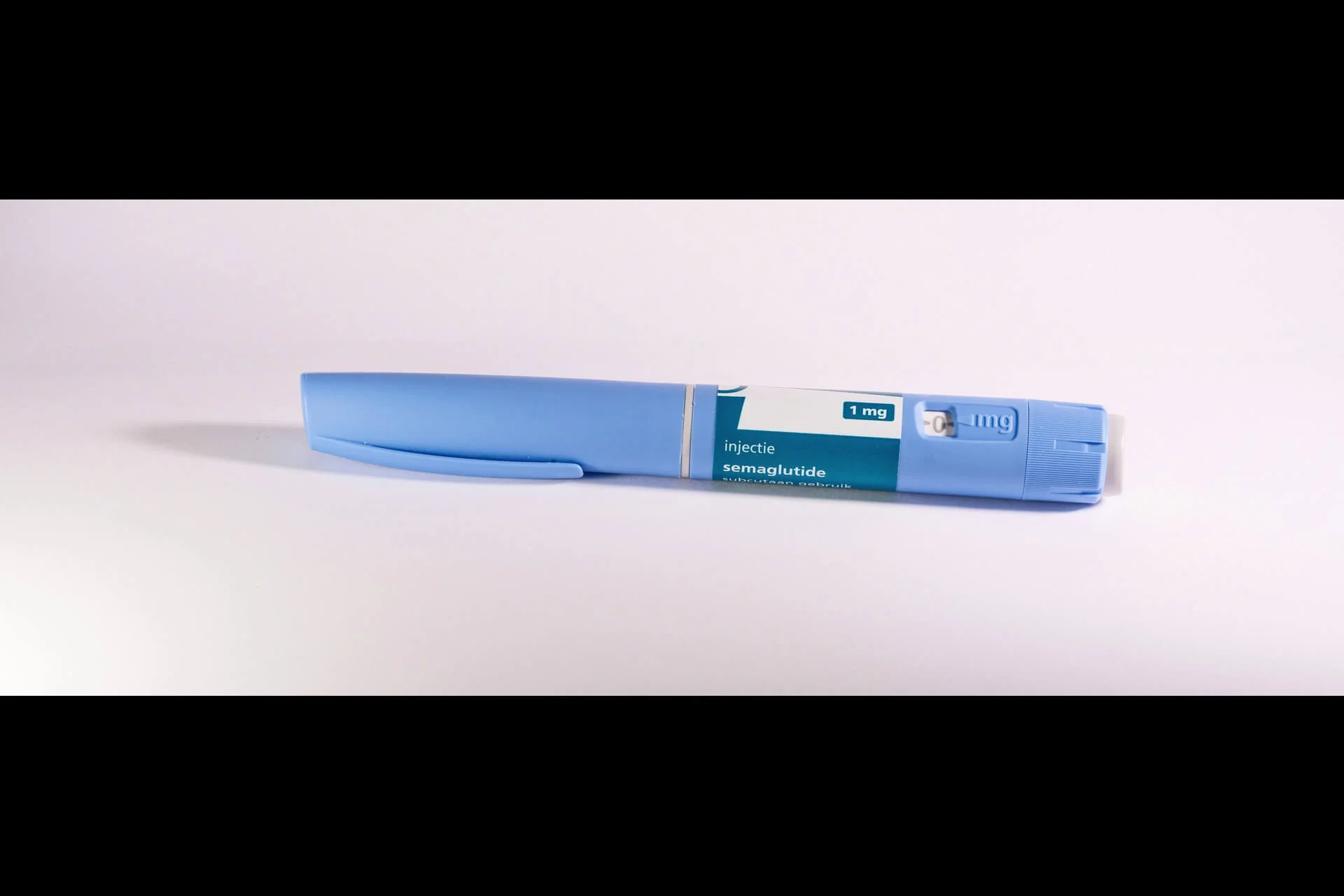
Microdosing GLP-1 is when someone intentionally stays below that target. Sometimes a provider suggests it. More often, it’s a personal decision made to manage side effects, stretch a limited supply or cut costs. Compounded versions of semaglutide have made this easier since they come in vials rather than pre-measured pens. That flexibility is a big part of what’s fuelling the trend.
This is not a formally studied protocol. No clinical guidelines exist for it and that’s exactly the thing worth understanding before you deduce whether it’s for you.
The side effects of GLP-1 medications can be rough. Nausea, vomiting, fatigue and digestive discomfort are common, especially in the first few weeks. That’s led many people to wonder whether a smaller dose might still deliver some benefit without the worst symptoms.
Cost is another real driver. These medications can run several hundred dollars a month without insurance and ongoing shortages have pushed some people to stretch what they have. If you’re rationing a limited supply, the logic of taking less is hard to argue with.
Online communities have significantly amplified the trend. Threads on Reddit’s r/Semaglutide are full of people comparing notes on lower doses, with many reporting that a fraction of the standard amount still curbed their appetite meaningfully. That kind of peer momentum travels fast and it carries serious weight for anyone who is frustrated wth full-dose side effects and looking for a middle ground.
Side effect management is worth taking seriously and it’s also something your provider can actually help with through legitimate means.
Slowing down the titration schedule is one of the most common and clinically supported approaches. Instead of moving up to the next dose at the standard interval, some providers extend the lower-dose phase by several weeks until tolerance improves. That’s different from self-directing a permanent reduction. Instead, it’s a structured plan with a goal.
Dietary timing also makes a real difference. Nausea tends to peak in the first day or two after injection. Eating smaller meals, avoiding high-fat foods around injection day and staying well hydrated can reduce the intensity significantly. Some people find that switching their injection day or adjusting the time of day helps too. For those looking to supplement their weight loss journey, incorporating physical activity is key, and the average person burns between 450 and 750 calories per hour of cycling.
There is no clinical trial data specifically studying intentional microdosing GLP-1 for weight loss. What does exist is dose-response data from large trials that weren’t designed with this question in mind.
The STEP 1 trial, which studied semaglutide for weight management, found that participants taking 2.4mg weekly lost an average of 14.9% of their body weight over 68 weeks. Lower doses used during the titration phase had a lesser effect. That pattern suggests the drug has a real dose-response relationship. More tends to produce more.
Some endocrinologists acknowledge that certain patients may still experience meaningful appetite suppression at lower doses, particularly those who are more sensitive to the medication. But “some people report feeling something” is a long way from “this is a proven strategy.”
The honest answer is that nobody knows what consistent lower dosing does for weight outcomes over time because it simply hasn’t been studied that way. You’d be operating largely on secondhand reports from people online. That’s worth naming clearly.

The risks here aren’t all dramatic, but they’re real enough to take seriously. Compounded semaglutide is not FDA-approved. The FDA issued updated warnings about compounded versions in 2024 and 2025, flagging concerns around dosing errors and inconsistent product quality. If you’re microdosing a compounded version, you’re working with something that hasn’t cleared the same bat as the brand-name medication.
There’s also a subtler risk. If you take too little to achieve a therapeutic effect, you might conclude that GLP-1 medications simply don’t work for you. That’s a frustrating and potentially inaccurate conclusion to walk away with, especially if a proper dose might have helped.
Some people are quietly adjusting their doses without telling their doctors. That’s a problem not because providers need to control everything, but because GLP-1 medications have effects beyond appetite. They influence heart rate, kidney function and digestion in ways that matter clinically. Your provider can’t monitor what they don’t know about.
Sub-therapeutic dosing may delay real progress. Plateaus are discouraging enough without also wondering whether the dose is the reason.

That depends a lot on why you’re considering it and whether a provider is involved. If you’re struggling with side effects at a prescribed dose, that’s a completely legitimate conversation to have with your doctor. Adjusting downward under supervision is very different from quietly halving your dose at home. A provider can help you find the lowest effective dose, monitor your response and catch issues early. That’s actually a reasonable clinical strategy when it’s done properly.
If cost or supply is the main driver, it’s worth exploring patient assistance programs, insurance appeals or telehealth options before defaulting to a DIY approach. If you’re drawn to microdosing GLP-1 because it feels like a gentler starting point, that instinct isn’t unreasonable. But going it alone without provider awareness carries more uncertainty than most people factor in. The compounded market is uneven. Dosing math is tricky. Your body deserves more than a best guess.
The interest in microdosing GLP-1 makes a lot of sense. Side effects are real, costs are high and the desire for a more manageable experience is completely valid. But wanting something to work and knowing it works are two different things and right now the evidence for intentional microdosing is thin. If a lower dose is on the table for you, get a provider on board.

Your email address will only be used to send you our newsletter, and at any time you may unsubscribe. For more information, see our Privacy Policy.
