
Body + Mind is reader-supported. We may earn an affiliate commission when you buy through some of the links on our site.
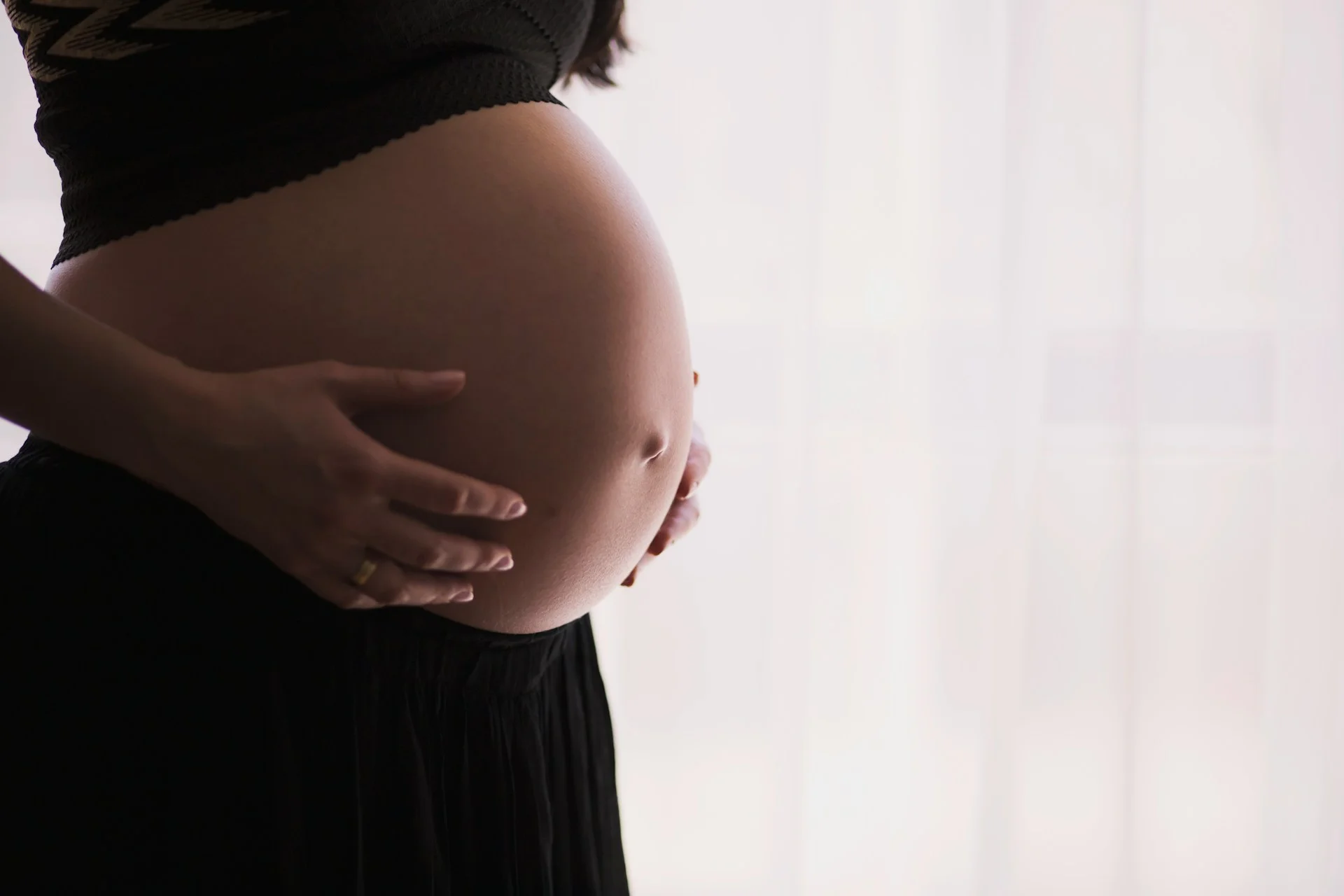
Pregnancy brings major changes in your body and nutritional needs. Food choices become especially important because they directly support your baby’s growth and development. Some foods carry higher risks during pregnancy due to bacteria, parasites or environmental contaminants, which makes informed choices essential. The following foods to avoid during pregnancy will help you reduce exposure to common food-related risks.
Fish provides protein, vitamins, minerals and omega-3 fatty acids that support fetal development. Certain fish, however, contain higher mercury levels that may affect the nervous system of a developing baby.
Shark, swordfish, king mackerel, shark and tilefish from the Gulf of Mexico contain higher mercury concentrations. Safer options include tilapia, salmon, shrimp, cod, canned light tuna and catfish. The U.S. Food and Drug Administration recommends consuming 8 to 12 ounces of low-mercury seafood weekly during pregnancy to support nutrition while managing exposure to mercury.
Raw seafood may contain bacteria and parasites that can increase the risk of foodborne illness during pregnancy. These include Salmonella and Listeria.
Raw oysters, sashimi, ceviche and refrigerated smoked seafood carry higher risk levels unless fully cooked. Cooked seafood offers the same nutritional benefits with added safety. Proper cooking temperatures reduce exposure to pathogens and support safer seafood consumption during pregnancy.
Undercooked meat and poultry may contain E. coli, Salmonella and Toxoplasma gondii. These organisms can affect pregnancy outcomes when food safety practices are not followed.
Toxoplasma infection during pregnancy can lead to complications in fetal development, including malformations and miscarriage. Cooking meat and poultry to a minimum internal temperature of 145° Fahrenheit helps prevent the intake of harmful organisms and supports safe consumption.
Raw eggs can contain Salmonella, which can cause foodborne illness during pregnancy. Infection may lead to dehydration, fever and additional stress on the body.
You should be careful because many foods, such as homemade Caesar dressing, hollandaise sauce, mayonnaise, mousse, tiramisu and cookie dough may often contain raw eggs. Pasteurized eggs and fully cooked eggs reduce exposure to Salmonella while maintaining nutritional value for you and your baby.
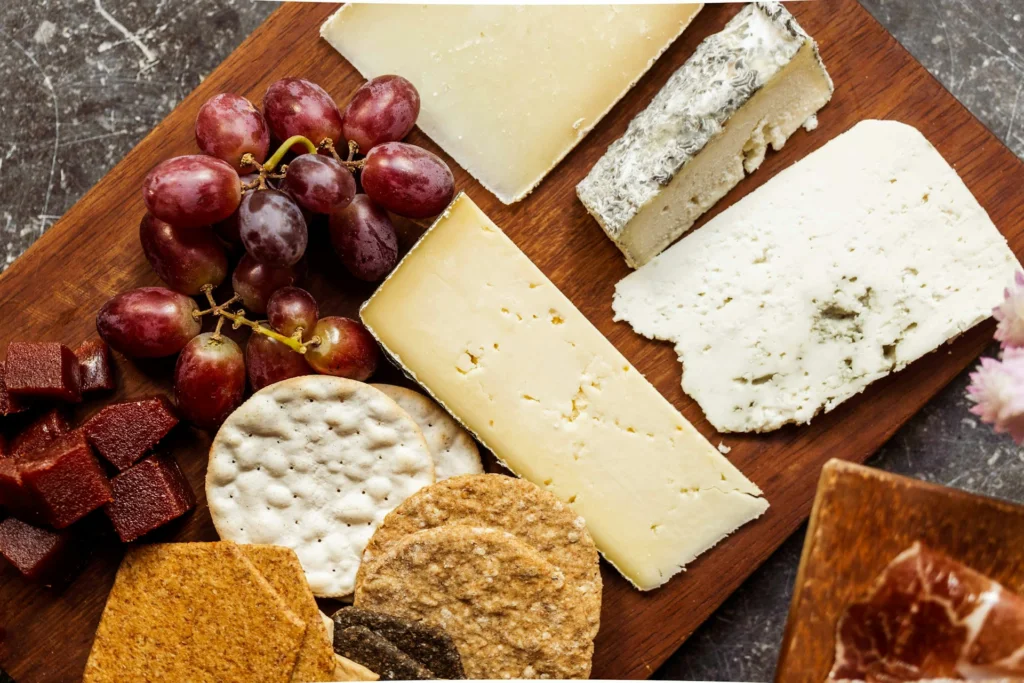
Dairy products support calcium and vitamin D intake during pregnancy. The pasteurization process removes germs, which determines whether dairy products carry a higher bacterial risk.
Unpasteurized milk and soft cheeses such as Brie, Camembert, queso fresco and feta may contain Listeria and other pathogens. Pasteurized versions are a safer alternative.
Hot dogs, refrigerated pâtés and deli meats may contain Listeria, which poses a higher risk during pregnancy. Heating these foods until they are steaming hot helps reduce bacterial risk and improve food safety.
Pregnancy is a higher-risk condition for listeriosis, which means it could carry serious problems for you and your baby, including miscarriage and stillbirth.
Raw sprouts such as alfalfa, clover, mung bean and radish sprouts often carry bacteria that cause foodborne illness because they can be already on the seeds or introduced during the sprouting process, where it grows quickly.
Cooking sprouts is the best way to kill the harmful bacteria and improve food safety during pregnancy. Unwashed fruits and vegetables may also carry harmful germs. Proper washing under running water reduces contamination and supports safer consumption.
Studies have identified links between caffeine consumption during pregnancy and increased risks of pregnancy loss, low birth weight, congenital heart and genital abnormalities, higher body weight, and changes in neurodevelopment and neurobehavioral outcomes.
Alcohol consumption during pregnancy has also been linked to a higher risk of miscarriage, premature birth, stillbirth and sudden infant death syndrome (SIDS).
Pre-cut melons and ready-to-eat fruit trays may carry bacteria like Listeria if handled or stored improperly. Listeria can survive and grow in refrigerated environments, making it especially dangerous.
Whole fruits require proper washing before cutting, while pre-cut fruit benefits from strict refrigeration and safe handling practices. If you’re pregnant, you can further reduce risk by preparing fresh fruit at home whenever possible.
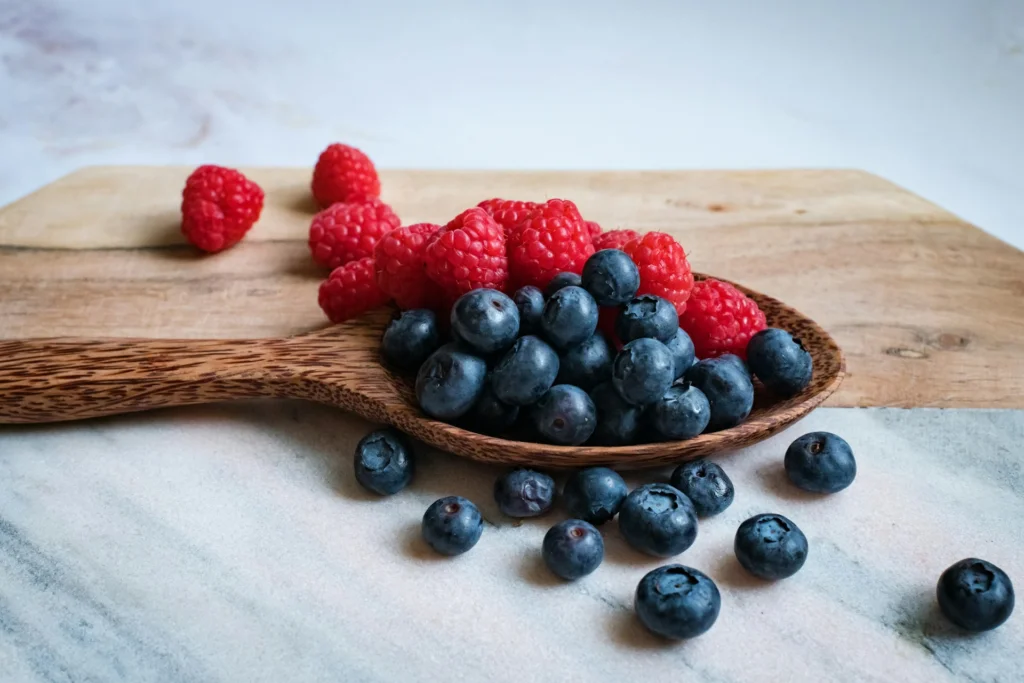
A balanced diet supports fetal development and helps maintain your energy levels throughout pregnancy. Also, seven in ten pregnancies cause morning sickness, so maintaining a healthy diet may help you control these symptoms.
These nutrient-dense foods that supply protein, vitamins and minerals are key for your health and your baby’s:
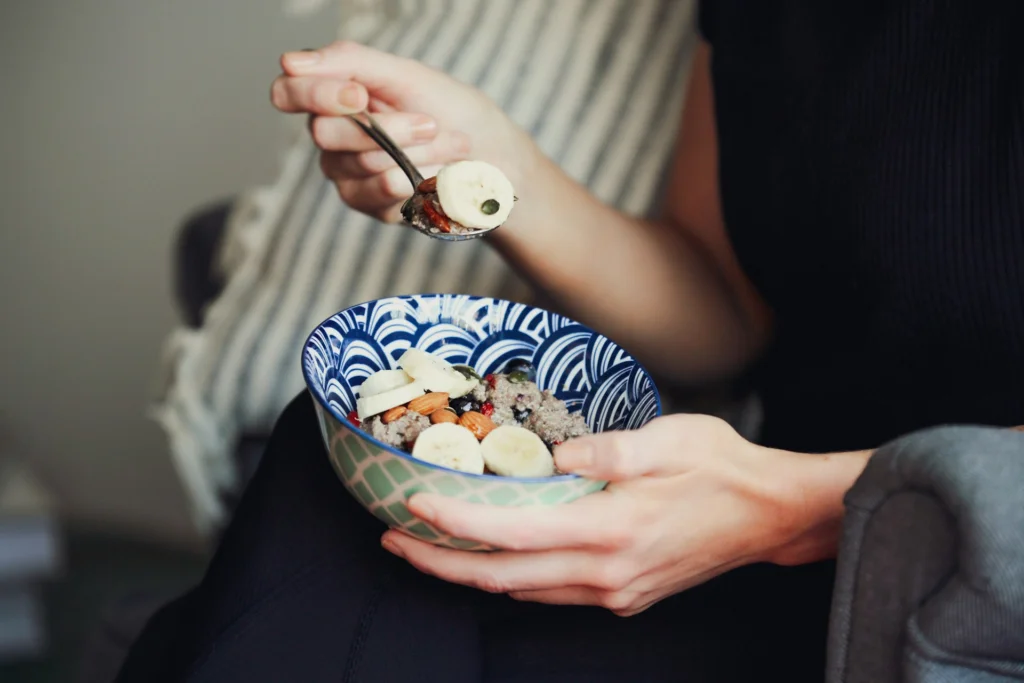
Pregnancy alters immune system function, increasing sensitivity and the severity of infections like foodborne illness, which raises the importance of food safety in everyday meals and food handling.
Safe food preparation supports reduced exposure to foodborne pathogens. Washing produce, separating raw and cooked foods, refrigerating perishable items promptly and cooking meats with a thermometer all contribute to safer meals.
Leaving food out for more than 2 hours can cause bacteria to grow to dangerous levels. If the temperature is about 90° Fahrenheit, then you should not leave your food out for more than one hour. Bacteria can double in number in 20 minutes at temperatures between 40° and 140° Fahrenheit. You should store leftovers in shallow containers so they cook quickly and refrigerate them at 40°Fahrenheit or below.
It is also important that you communicate regularly with your doctor. Healthcare providers can offer personalized guidance based on individual needs and pregnancy conditions.
Awareness of foods to avoid during pregnancy supports healthier decisions and reduces exposure to foodborne risks. Safe preparation and storage methods, as well as balanced nutrition are key components of a healthy pregnancy. A varied diet that includes fruits, vegetables, whole grains, lean proteins and low-mercury seafood supports both your health and your baby’s development.

Your email address will only be used to send you our newsletter, and at any time you may unsubscribe. For more information, see our Privacy Policy.
