

Body + Mind is reader-supported. We may earn an affiliate commission when you buy through some of the links on our site.
You may not think twice about tossing a bag of soggy spinach or scraping last night’s leftovers into the trash. After all, it’s just one meal. But multiply those everyday moments by millions of households, and the scale becomes staggering. Large amounts of food are wasted before it even reaches your fork.
Understanding food waste in America statistics puts those everyday habits into perspective and shows how small changes in your kitchen can save you money, reduce your environmental footprint and help make better use of food that’s already being produced.
Most people think of food waste as the occasional forgotten yogurt or leftovers that sat in the fridge too long. The reality is much bigger. From farms and grocery stores to restaurants and home kitchens, food is lost at every step of the supply chain.
Reports show that nearly a third of the food grown and raised in the U.S. is wasted yearly. Consumers throw away an average of $762 worth of uneaten food every year, amounting to billions of dollars in avoidable waste nationwide. That’s money that could stay in your grocery budget while also reducing pressure on the environment.
The problem starts long before food reaches your plate. Statistics show that American farms lose 133 billion pounds of produce yearly, and around 40% of fresh produce never leaves the farm due to poor harvesting and irrigation practices, market conditions and other production challenges. Perfectly edible fruits and vegetables are often left behind simply because they don’t meet cosmetic standards or there isn’t enough demand at the right time.
Retailers face similar challenges. Supermarkets discard roughly 16 billion pounds of food every year, often because products are nearing their sell-by dates, packaging is damaged or stores need to keep shelves looking full. Restaurants also contribute significantly, wasting 10.9 billion pounds of food annually. About 60% of that waste is perishable food, while roughly 25% comes from prepared meals that weren’t served.
Surprisingly, households throw out about 26% of the food they buy, making consumers one of the largest contributors to the problem. While that sounds discouraging, it also means your daily habits can have a meaningful impact. Planning meals, storing food properly and using leftovers creatively can save money while helping reduce waste one meal at a time.
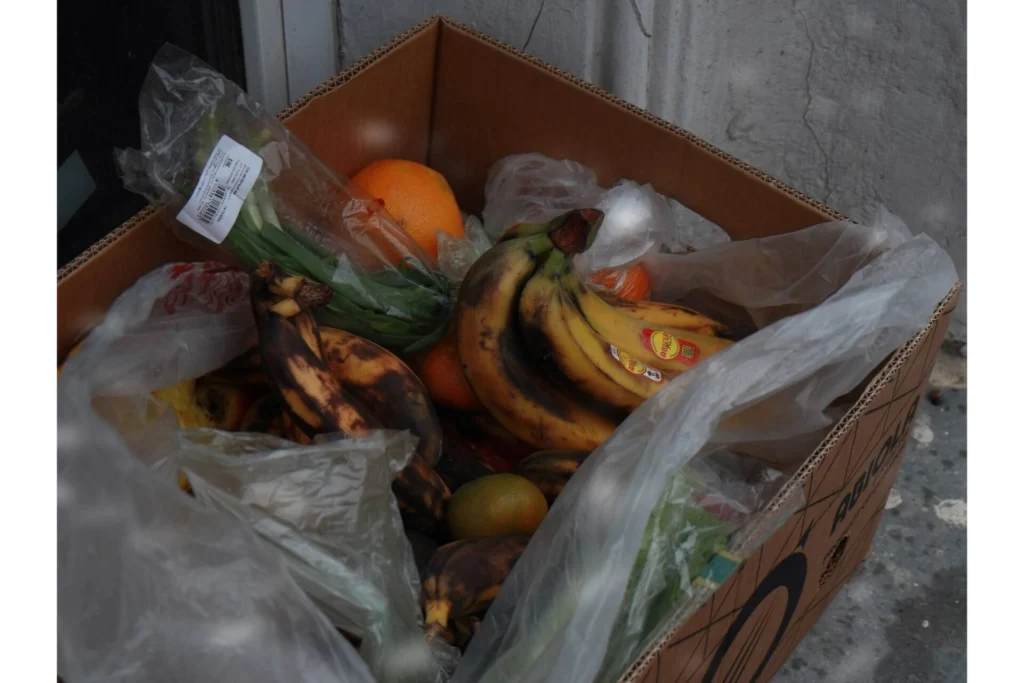
While you may think throwing away food only hurts your wallet, every item that ends up in the trash carries a much higher environmental cost. Growing food requires land, water, fuel, fertilizer and labor. When that food goes uneaten, all those resources are wasted.
The environmental impact of food waste also extends to climate change. As discarded food breaks down in landfills, it produces methane, a powerful greenhouse gas that contributes to global warming. Simply reducing the amount of edible food thrown away can lower emissions without changing what you eat or where you shop.
Food waste also highlights an uncomfortable imbalance in the food system. While billions of pounds of edible food are discarded every year, many communities still struggle to access fresh, nutritious groceries. Around 13% of Americans live in low-access areas where fresh produce is hard to get. States like Mississippi have about 30% of their residents living in food deserts.
That contrast makes reducing food waste about more than protecting the environment. It’s also about making better use of the food that’s already available. While preventing waste won’t solve food insecurity on its own, smarter food management, stronger donation networks and better distribution can help more food reach people instead of landfills.
You can continue living a comfortable life and still make the necessary changes to make a difference. These seven habits can help.
A shopping list is one of the easiest ways to reduce waste. Before heading to the store, check what you already have and plan meals around those ingredients. Buying only what you’ll realistically use makes it less likely that fresh food will spoil before you get to it.
Many foods get thrown away because of confusion over labels. In most cases, “best by” refers to quality rather than safety, while “sell by” is intended for retailers managing inventory. Understanding these labels can help you avoid tossing perfectly good food simply because of the date on the package.
Sniff food, test a small amount, and if it tastes off, sour or slightly alcoholic, the food has likely spoiled. Most food keeps well in your fridge and can still be safely eaten days or even weeks after the “best by” date.
The right storage can significantly extend the life of fresh ingredients. Keep herbs in water, refrigerate leftovers promptly and learn which fruits and vegetables belong on the counter versus in the fridge. A few simple adjustments can extend the time before food begins to spoil.
If you know you won’t be using something in time, freeze it instead of hoping you’ll get around to it. Bread, cooked grains, soups and meats freeze well, giving you ready-made ingredients for future meals while preventing wastage.
Oversized portions often become excess leftovers that never get eaten. Serving slightly smaller meals lets everyone take seconds if they’re still hungry while reducing the amount of food scraped into the trash after dinner.
Some food leftovers are inevitable, but many can stay out of landfills. You can compost fruit peels, vegetable trimmings and coffee grounds, which break down into nutrient-rich material instead of producing methane in a landfill. If home composting isn’t practical, check whether your community offers centralized composting services.
Food leftovers need not taste the same as yesterday’s dinner. Roast vegetables can become soup, extra chicken works well in salads or wraps and ripe fruit blends easily into smoothies. Thinking of leftovers as ingredients instead of repeat meals makes them much more appealing and helps you get the most from every grocery trip.

While your home habits matter, they’re only one part of the puzzle. This Food Waste Prevention Week, from September 24, 2026, to October 4, 2026, you can participate in driving the change in how people see and use food. Governments, businesses and nonprofits are also working to reduce food waste throughout the food system by improving how it’s grown, sold and redistributed.
One major initiative is the National Strategy for Reducing Food Loss and Waste and Recycling Organics, which aims to cut food losses by half by 2030. The strategy brings together federal agencies to improve food recovery, expand composting infrastructure and make it easier for edible food to reach people instead of landfills. Some success stories include redirecting waste food to feed livestock, improving consumer education and encouraging healthier eating habits and portion control.
Reducing food waste doesn’t require a perfectly organized refrigerator or elaborate meal prep. It starts with small, realistic choices, like buying only what you’ll use, freezing leftovers before they spoil or giving yesterday’s dinner a second life. Those habits add up over time, helping you save money while reducing the environmental impact of food waste from everyday meals.
When millions of households each waste a little less, the collective impact becomes much bigger. That’s good news for your grocery budget, community and planet.

Your email address will only be used to send you our newsletter, and at any time you may unsubscribe. For more information, see our Privacy Policy.
