


Body + Mind is reader-supported. We may earn an affiliate commission when you buy through some of the links on our site.
People with sensitive eyes know the drill. You swipe on a coat of mascara, and by midafternoon, your eyes are red, itchy or watering for no clear reason. You are not imagining it, and you are not alone. Contact lenses, allergies or a history of dry eye can turn an ordinary makeup step into an all-day irritation. The right formula, plus a few small habit changes, can make a real difference.
Not all mascaras are created equal, and sensitive eyes deserve a formula that has been checked out by the people who treat eye problems for a living. A recent survey found that 1,741 women reported eye makeup reactions common enough to prompt calls for better safety education, which is a good reminder that this is not a rare problem.
Eye irritation is not uncommon, since 71% of adults report skin sensitivity, and the eye area usually reacts first. That is exactly why ophthalmologist testing matters. It means a formula has been evaluated specifically for safety around the eyes, not just on skin.

Even ophthalmologist-tested mascaras vary in what they leave out, so it helps to read the label. Eye makeup ingredients such as pigments, preservatives, emulsifiers and fragrances have been linked to blepharitis and dry eye in a recent ocular surface review, especially with regular, long-term use close to the eye.
A few ingredients are worth watching for on the back of the tube:
Choosing a formula that skips these ingredients will not guarantee zero irritation, since everyone’s sensitivity varies, but it does considerably lower your odds of a reaction.
Tubing formulas work differently from standard mascara. Instead of coating each lash in pigment that can flake or smudge, they wrap the lash in a flexible polymer tube that slides off with warm water alone. That matters more than it sounds, because aggressive removal habits, such as rubbing with fingers or cotton buds, have been flagged as a real risk for eye injury in a large cosmetovigilance survey of makeup users.
Skipping the tugging and the oil-based remover is a small change that adds up over time, especially if you already deal with dry or watery eyes.

Where you apply mascara matters almost as much as what you apply, since both eyeliner and mascara wearers have shown reduced tear film stability and more meibomian gland loss than non-wearers, according to one clinical study.
A few habits go a long way toward avoiding irritation:
None of these habits require buying anything new. They just take a little more intention at the mirror.
Sometimes the problem is not the mascara at all, since regular eye makeup use has been linked to several ocular conditions — including blepharitis, conjunctivitis, dry eye syndrome and meibomian gland dysfunction — in a 2025 review, all of which can look like simple irritation at first.
If switching to a gentler mascara does not clear things up within a couple of weeks, or if you notice crusting along the lash line, persistent redness or a sensation that something is stuck in your eye, it is worth having an eye doctor take a look before you try another product.

Once you know what to look for, shopping gets a lot easier. Here are five mascaras, spanning both ophthalmologist-tested classics and tubing formulas, that consistently show up on sensitive-eye recommendation lists.
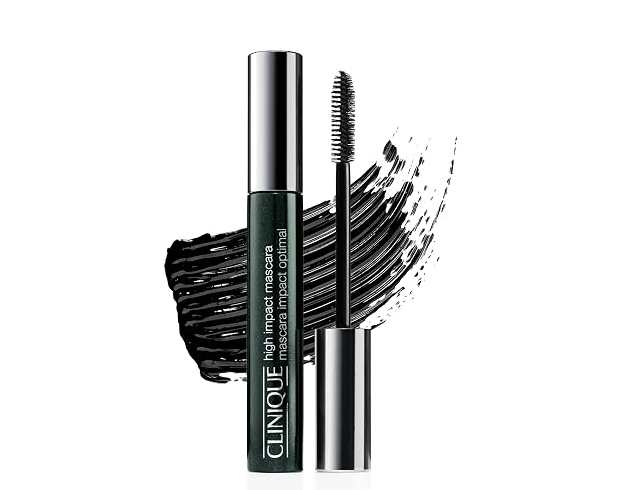
Clinique’s High Impact Mascara is a longtime derm and eye doctor favorite because every formula the brand makes is tested for use around the eyes and with contact lenses. It delivers noticeable volume without the flaking that often triggers irritation partway through the day. Get it from Amazon.
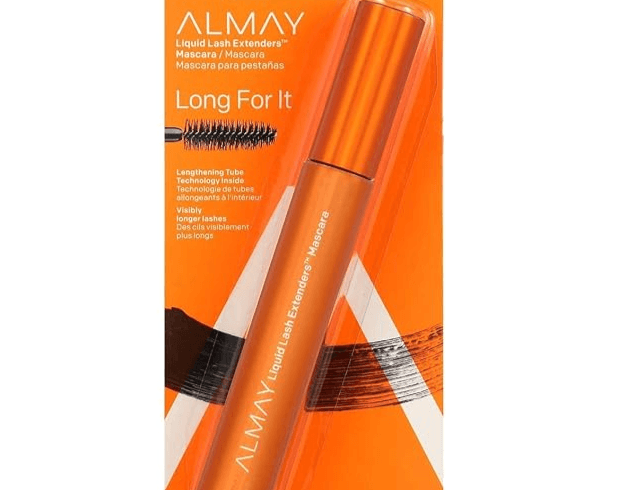
Almay built its whole reputation on hypoallergenic, fragrance-free formulas. Its Liquid Lash Extenders Mascara is ophthalmologist-tested and marketed specifically for sensitive eyes and contact lens wearers, and the fiber-and-tube formula still delivers real length. Get it from Amazon.
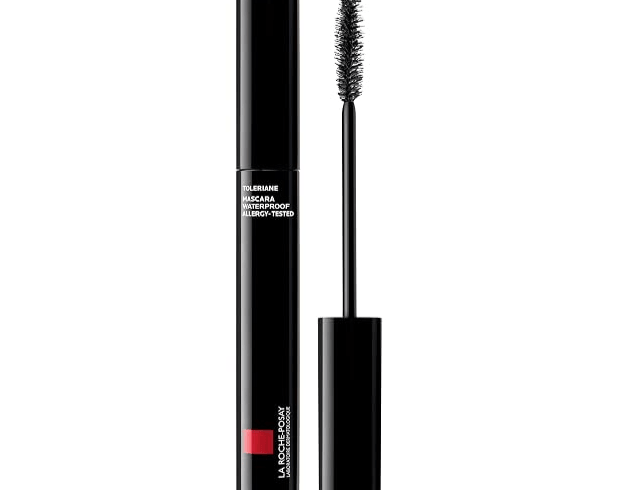
La Roche-Posay built its name on skincare for reactive skin, and its Toleriane Mascara carries that same philosophy over to the eye area. The minimalist, ophthalmologist-tested formula skips unnecessary extras, making it a solid pick if your eyes react to almost everything. Get it from Amazon.
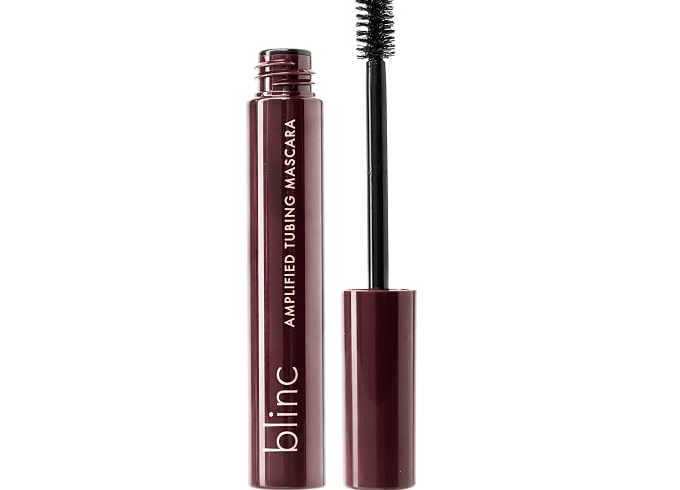
Blinc practically invented the tubing category, and its original formula is still one of the most recommended options for sensitive eyes. It resists smudging without requiring a harsh, rubbing-heavy remover to take off. Get it from Amazon.
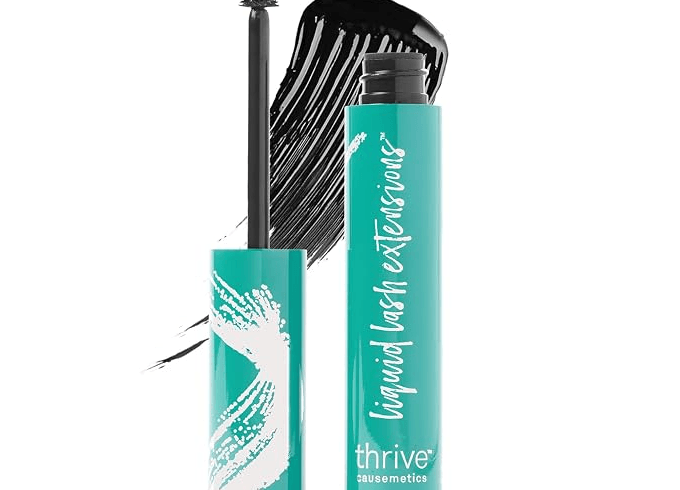
Thrive Causemetics takes the tubing concept and adds a lash-extension look, building up length and lift with each layer while remaining warm-water removable. It is a good option if you want more drama than a classic tubing formula without sacrificing gentle removal. Get it from Amazon.
Sensitive eyes do not mean giving up on mascara altogether. A hypoallergenic, ophthalmologist-tested formula, a few smarter application habits and a willingness to see a doctor when something feels off will get you most of the way to comfortable, irritation-free lashes. Your eyes do a lot for you every day. A little extra care while getting ready is a small price to pay.

Your email address will only be used to send you our newsletter, and at any time you may unsubscribe. For more information, see our Privacy Policy.
