
Body + Mind is reader-supported. We may earn an affiliate commission when you buy through some of the links on our site.
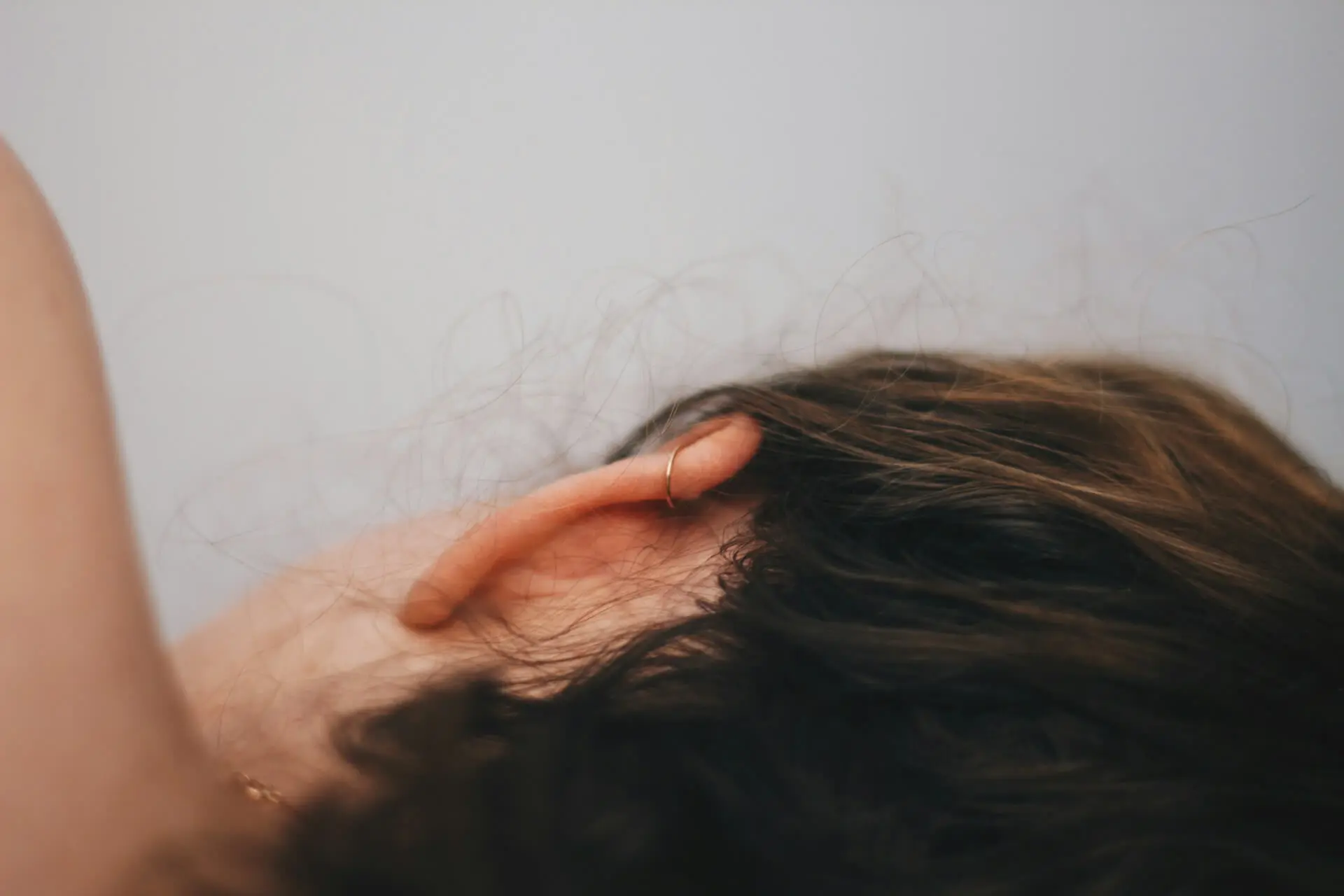
You have probably scrolled past a photo of someone with tiny gold dots pressed into their ear and wondered what was going on. Those dots are ear seeds, and they are having a real moment in wellness circles. Are they just a cute accessory, or is there something to the idea that pressing on your ear can calm your nervous system? Here is what you need to know before you try them.
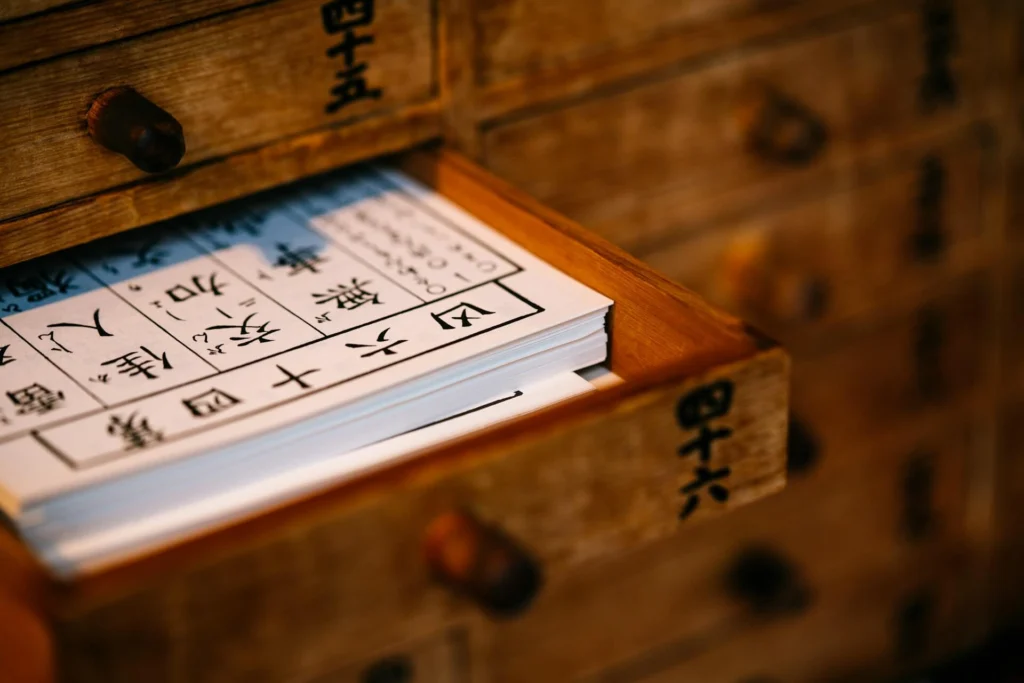
Ear seeds are tiny beads made from vaccaria plant seeds or small metal balls attached to a piece of adhesive tape. You press them onto specific points on your outer ear, where they act as a needle-free offshoot of auriculotherapy, a branch of acupuncture that treats the ear as a map of the entire body.
Once you place a seed on a point, you press on it throughout the day to stimulate that spot, similar to how you would work an acupressure point on your hand or foot, just without needing a professional in the room.
The honest answer is that science is still catching up to the hype. Auricular acupuncture has decades of research behind it, and federal researchers at the National Center for Complementary and Integrative Health point to promising results for pain-related conditions, though ear seeding specifically is a newer and much smaller slice of that research.
That said, major health institutions sound cautiously encouraging:
Even these trusted sources are careful to note that ear seeding specifically has far less research behind it than acupuncture as a whole, and no one is claiming it prevents or cures disease. What the research does suggest is that ear seeds are a low-risk, low-cost tool that may ease stress in the moment, especially when paired with other habits already known to help.
That matters when you consider how common stress has become. Roughly 75% of U.S. adults report experiencing stress, and pairing ear seeds with other proven ways to ease everyday tension tends to make the calming effect more noticeable.
Sleep is where a lot of people first hear about ear seeds, so it is worth looking at that angle specifically before you dive into how to actually use them.
Poor sleep and high stress tend to feed each other, so it makes sense that a tool marketed for calming the nervous system would also get attention for sleep support. When you place ear seeds on points associated with the nervous system, sometimes called the Shen Men or “insomnia” point depending on the practitioner’s map, you are aiming to ease the mental restlessness that keeps you staring at the ceiling.
This is worth trying if sleep has been rough for you lately, and you would be in good company. About 30.5% of U.S. adults get less than seven hours of sleep a night on average, well below what most adults need to function well. Ear seeds will not replace treatment for a diagnosed sleep disorder, but as a gentle nighttime ritual, they may help you wind down.

Most beginner protocols use a small handful of ear points depending on your goal, and it is fine to combine two or three at once.
A licensed acupuncturist can help you pinpoint these locations precisely, but most beginner kits include a paper chart marking them for you.
You have two main paths to try ear seeds. Book a session with a licensed acupuncturist who maps your ear and places the seeds for you, or buy a beginner kit and try it at home using a point chart as your guide.
Here is a simple starting process:
Ear seeds work best as one small piece of a bigger toolkit rather than a stand-alone fix. If nighttime anxiety is part of what keeps you up, pairing ear seeds with a short wind-down routine, like breaking your evening into a few calming mini-habits, tends to work better than relying on the seeds alone.
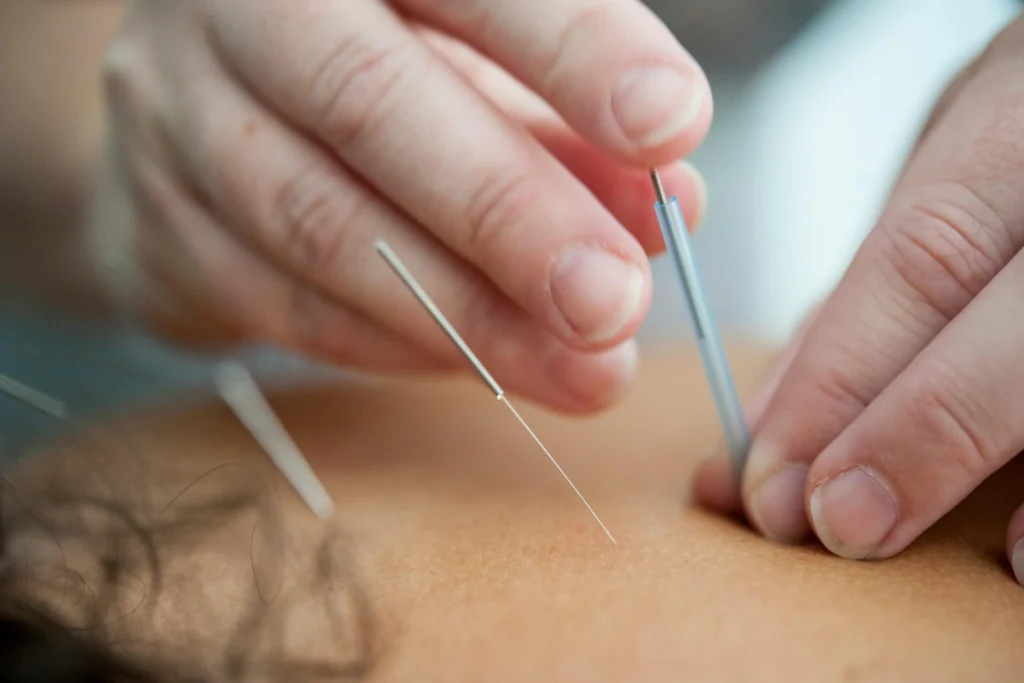
Most healthy adults can wear ear seeds with low risk. Because the seeds do not break the skin, your infection risk stays much lower than it would with traditional acupuncture needles. Still, a few things are worth knowing before you start.
Skin sensitivity to the adhesive is the most common issue, so remove the seeds right away if you notice redness, itching or irritation. If you have a metal allergy, choose vaccaria seed versions instead of metal balls. Talk to your doctor first if you are pregnant or have a pacemaker or bleeding disorder, since practitioners traditionally avoid certain ear points during pregnancy.
Ear seeds also are not a substitute for treatment of a diagnosed anxiety disorder, insomnia or chronic stress condition. Think of them as a small, supportive habit you layer on top of the care you are already receiving, not a replacement for it.
Ear seeds are not magic, and the research behind them is still developing, but they are cheap, gentle and easy enough to try that there is little downside for most people. If that tiny gold dot trend has caught your eye, there is no harm giving it a shot as one more tool in your stress-relief kit, alongside the habits you already know help you unwind.
Your email address will only be used to send you our newsletter, and at any time you may unsubscribe. For more information, see our Privacy Policy.
