


Body + Mind is reader-supported. We may earn an affiliate commission when you buy through some of the links on our site.
You’ve likely scrolled past Akkermansia muciniphila on a wellness feed or spotted an Akkermansia Reddit thread promising better digestion and a smaller waistline. This gut bacterium earned its “next-gen probiotic” title for a reason, and the research behind it is interesting. Before you add another supplement to your shelf, here’s what holds up under a microscope, what doesn’t and who should think twice before trying it.
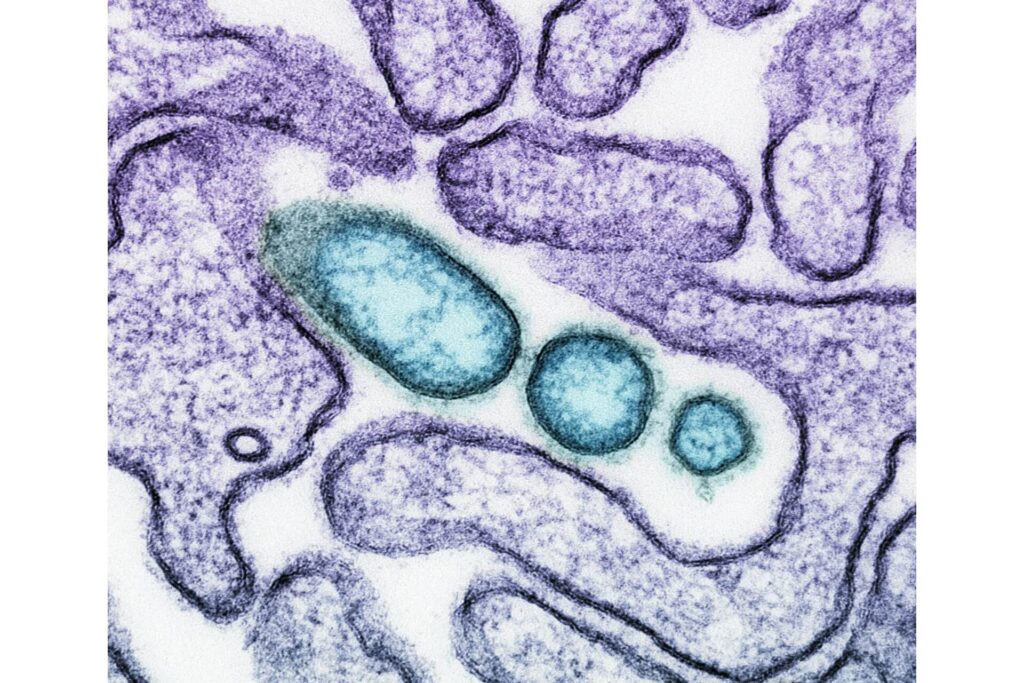
Akkermansia lives in the mucus layer lining your gut, where it feeds on mucin and signals your body to produce more of it. That single job is more significant than it sounds since a thicker mucus layer means a stronger barrier between your gut and everything trying to get through it. For years, most of the evidence came from mice. That changes with a randomized trial testing a pasteurized version of the bacterium in adults with overweight or obesity.
Participants first completed an eight-week low-energy diet, then took either the supplement or a placebo through a 24-week maintenance phase. By the end, the treatment group showed a greater net weight loss than the placebo group and maintained more of their initial progress. It doesn’t prove Akkermansia is a fix-all, but it’s the strongest human evidence for the ingredient so far.
If you’re picturing overnight results, adjust your expectations. The trial behind that weight-loss data ran an eight-week and 24–week maintenance phase and the gap between the treatment and placebo groups built gradually across that stretch instead of showing up in the first few weeks.
Give any Akkermansia supplement at least two to three months before deciding whether it’s doing anything for you. Judging it after a week or two isn’t fair to the research or your gut. This slow timeline tracks with how the bacterium works. It nudges your mucus layer and metabolism over time rather than flipping an instant switch, and that kind of gradual shift rarely shows up on a bathroom scale in the first few weeks, even when it’s happening underneath.

You don’t need a supplement aisle to support this bacterium. Akkermansia responds well to polyphenol-rich foods and plant compounds found in berries, cocoa, and green tea, as well as a wide variety of fiber sources. A 2023 study found that berry polyphenols selectively raised Akkermansia levels in animal models, while fiber alone didn’t produce the same targeted effect.
Try swapping your usual breakfast for a bowl of mixed berries, plain yogurt and a spoonful of ground flaxseed. That combination pairs the specific polyphenols the bacteria seem to prefer with the fiber diversity your broader gut community needs.
Since Akkermansia doesn’t work in isolation, the prebiotic fiber that feeds gut bacteria overall makes just as much difference, so that a fiber-poor diet can undercut even the best polyphenol habits. Consistency over weeks matters more than any single meal, so treat these as daily habits rather than a short-term fix before a big event.
Mild bloating, gas or a temporary change in bowel habits during the first couple of weeks is common when you introduce any new probiotic, including this one. Your gut community needs time to adjust to a new resident. In the same weight-management trial mentioned above, no serious treatment-related adverse events were logged across either group over the full 32-week study period, which is reassuring for otherwise healthy adults trying it for the first time.
What crosses the line into a red flag is persistent diarrhea, sharp abdominal pain, or symptoms that worsen instead of settling down after two to three weeks. Those signs call for a conversation with your doctor rather than pushing through, especially if you already manage a digestive condition. Every gut reacts differently, and yours is allowed to disagree with the internet’s favorite new bacterium.
A handful of groups have reasons to be cautious about this bacterium, and the research points to specific, named conditions rather than vague warnings. If you live with inflammatory bowel disease, timing matters. Some models show barrier support during remission, but researchers advise against experimenting during an active flare until more human trials confirm safety in that window.
People with Parkinson’s disease or multiple sclerosis show a different pattern, with studies consistently finding higher native Akkermansia levels in these populations, and nobody yet knows whether that’s protective or part of the problem. Supplementing on top of an already elevated baseline is best left to a supervised clinical trial for now rather than a home experiment.
The same caution extends to polycystic ovarian syndrome and endometriosis, conditions that carry a higher baseline risk for gut inflammation. If any of this applies to you, loop in your doctor before adding Akkermansia to your routine, rather than self-experimenting based on a social media trend.
Pasteurized means the bacteria are heat-killed before they reach the supplement bottle. Although this may seem like a downside, the clinical trial referenced above used exactly this form, and it currently carries the strongest human safety and efficacy data of the two. Live Akkermansia is harder to produce and keep stable, since the bacterium is sensitive to oxygen.
A 2025 trial testing a live strain paired with prebiotics found favorable shifts in gut bacterial composition alongside metabolic improvements. However, the study design made it difficult to attribute the changes solely to the live bacteria rather than to the accompanying prebiotics.
For now, pasteurized Akkermansia has more stand-alone human evidence. If you see a live-strain product, look for one backed by its own dedicated human trial rather than one leaning on research done with the pasteurized form.

Akkermansia muciniphila has earned its hype in some places, but gets ahead of the evidence in others. The research supports measurable benefits for metabolic health, especially with the pasteurized form, but it isn’t a fix for everyone, and a handful of conditions call for real caution. Focus on the foods that feed it naturally, give any supplement a few months before judging it and loop in your doctor if you fall into one of the flagged groups. Progress here is gradual.

Your email address will only be used to send you our newsletter, and at any time you may unsubscribe. For more information, see our Privacy Policy.
