

Body + Mind is reader-supported. We may earn an affiliate commission when you buy through some of the links on our site.
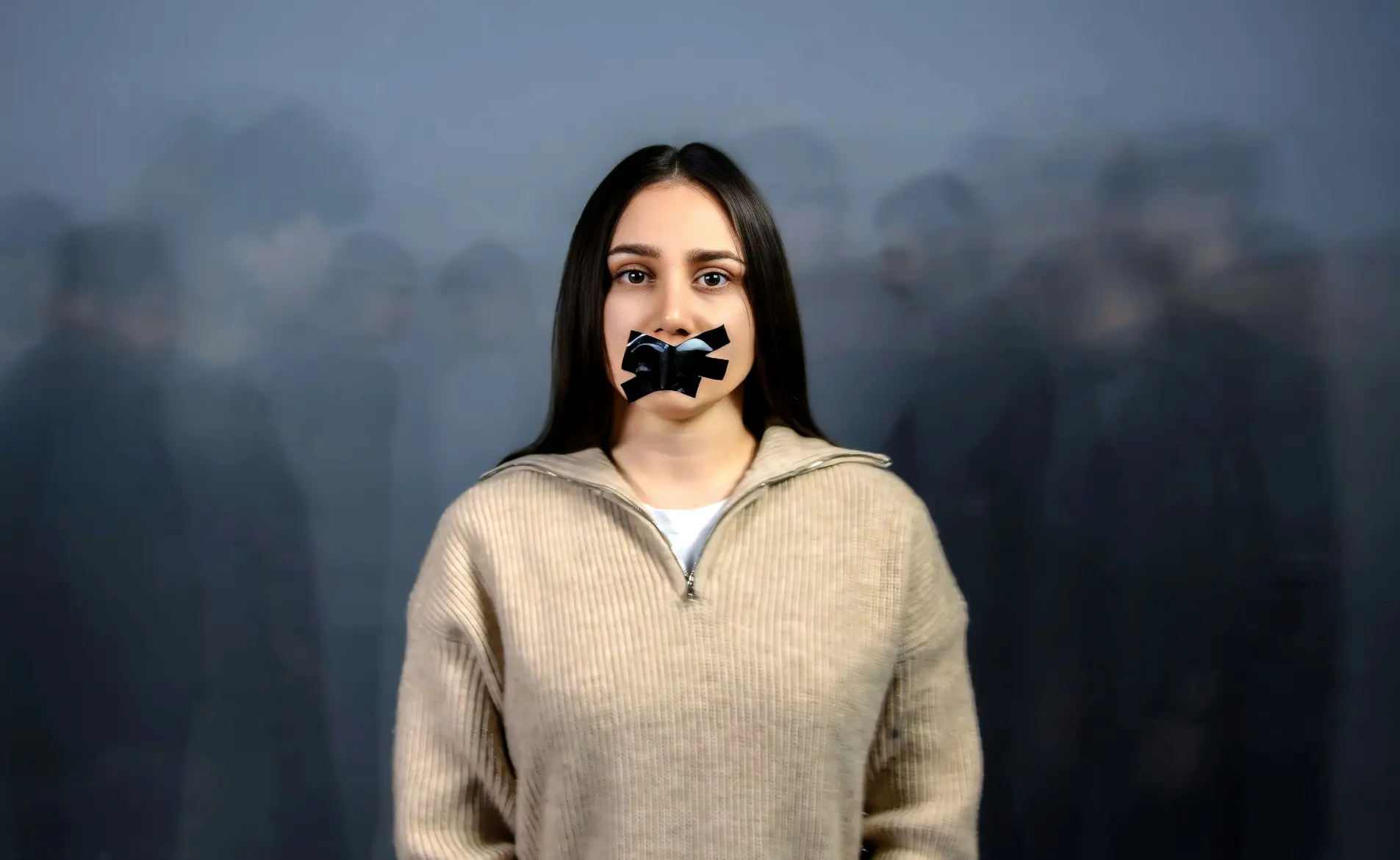
Have you ever replayed a moment in your head, wishing you’d said something? Maybe you watched someone struggle to carry groceries to their car and stayed frozen in place. Or perhaps a family member made a strange comment about your partner at dinner, and you let it slide. That hesitation has a name — the bystander effect. Most people think it only applies to strangers in emergencies, but it shows up in everyday moments too, and understanding why can help you show up differently next time.

The bystander effect is a psychological effect where people assume someone else will assist in a conflict or emergency. When there are lots of people around, any one individual feels less responsibility. Everyone assumes that someone else will take care of it..
This effect isn’t limited to dramatic public emergencies. It shows up in quieter, everyday moments too. Consider these contexts:
The lack of action isn’t about apathy. It’s about context, and it influences behavior far more often than most people realize.
Your hesitation to act isn’t a character flaw. It’s rooted in how your brain processes group dynamics. Psychologists investigating this issue found that 85% of participants sought help when they were on their own with someone in distress. That number dropped to 62% in a three-person group and plummeted to just 31% in a six-person group. The larger the crowd, the less likely anyone was to step in.
Why does this happen? There is a five-stage decision process that explains where hesitation creeps in. First, you have to notice the event. Then, you interpret it as an emergency. Next, you take personal responsibility. After that, you decide how to help. Finally, you act. At any stage, if you answer no or feel uncertain, you don’t intervene.
This process isn’t happening consciously. Your brain is scanning the room, reading social cues, and weighing risk in real time. If others seem calm or uninvolved, you’re more likely to second-guess yourself. That pause feels protective, but it can also lead to inaction, even when your gut tells you something’s wrong.
Staying quiet in uncomfortable moments often stems from something deeper than the bystander effect alone. Passivity is a learned defense mechanism, not a personality flaw. It’s what happens when avoiding confrontation feels safer than speaking up.
Passivity as a defense mechanism is characterized by complacency or a lack of assertiveness, which can lead to feelings of helplessness or low self-esteem. For many people, staying silent is tied to people-pleasing patterns — putting others’ needs first, avoiding boundaries, and sidestepping potential conflict. If you grew up in an environment where expressing emotions directly wasn’t encouraged, passivity can become a default.
Recognizing this pattern in yourself isn’t a reason for self-criticism. It’s the first step toward understanding why you hesitate, and that awareness is what makes change possible.

The bystander effect isn’t just about strangers on the street. It surfaces in your everyday life in surprisingly subtle ways.
Imagine you’re in a work meeting, and someone proposes an idea you know won’t work. The room goes quiet. You have the information that could help, but you stay silent because no one else is speaking up. Or imagine a family gathering where an uncle makes an uncomfortable joke. Eyes shift, but no one says anything.
Research published in the Journal of Business Ethics found that speaking up in tense group settings became less likely because people expected backlash. Across two studies with over 3,000 participants, incivility increased the expectation that voicing concerns would lead to negative consequences. Interestingly, in civil environments, this pattern disappeared entirely. The finding reinforces that hesitation isn’t about you — it’s about the situation.
These smaller moments carry the same psychological wiring as the classic bystander scenarios. You notice something’s off, you look around for cues, and when no one else acts, you decide it’s safer to stay quiet. The stakes might be lower, but the hesitation is real.
A 2025 study published in MDPI found that most participants who didn’t intervene in a staged scenario expressed feelings of guilt or remorse afterward. The researchers noted that self-blame for not acting is common, but reassurance and support helped participants process those emotions. Several people reported feeling more confident and motivated to intervene in the future once they understood what held them back.
If you’re sitting with guilt from a moment you stayed silent, give yourself some grace. Instead of dwelling on what you didn’t do, use it as information. Think about what you’d do differently next time, and let that guide your response when a similar situation arises. Noticing the pattern is progress, not failure.

Now that you understand why hesitation happens, you can equip yourself with practical tools for next time. The good news is that you don’t have to confront every uncomfortable situation head-on. There are multiple ways to show up, and not all of them require you to be the loudest voice in the room.
The framework known as the 5 Ds of bystander intervention offers flexible strategies you can adapt to any context:
These tools work whether you’re stepping in for a stranger or redirecting a tense conversation at a family dinner. You don’t have to choose the most confrontational option to make a difference. Sometimes, a well-timed distraction or a private check-in afterward is exactly what’s needed.
You’re more capable of stepping up than you might believe. A real-world analysis of 219 public conflicts caught on CCTV across three cities found that at least one bystander intervened in 90.9% of incidents.
This finding demonstrates that when situations are genuinely serious, people rise to the occasion far more often than the stereotype suggests. Whether in high-stakes moments or everyday instances, you’re already primed to help. You just need to trust that instinct when it surfaces.
Remember that opening question about replaying a moment in your head? The next time you feel that pause, you’ll know what’s happening. Hesitation is human. Small steps — a distraction, a delayed check-in, a text to a friend — all count as showing up. Stepping in, even in quiet ways, builds community and connection for the people around you. Next time you feel that pause, consider trying just one small step. You might be surprised by what shifts.

Your email address will only be used to send you our newsletter, and at any time you may unsubscribe. For more information, see our Privacy Policy.
