

Body + Mind is reader-supported. We may earn an affiliate commission when you buy through some of the links on our site.
Your first Pap smear can seem intimidating, especially if you’ve never had an exam quite like it. You might feel awkward about the position, nervous about discomfort or just generally unsure how to prepare for a Pap smear. Understanding what the test checks for, what happens at your appointment and which preparation steps matter most can help you feel more ready and less in the dark.
A Pap smear screens for cervical cancer by checking a sample of cells from your cervix. It can identify abnormal cells, including any that could become cancerous. It’s very important to discuss this screening with your provider, even if the appointment sounds a little awkward.
What exactly does this all mean? Your cervix is the lower part of your uterus that opens into your vagina. During the test, your provider uses a speculum to hold your vaginal walls apart, then collects cervical cells with a small brush or similar sampling tool. Those cells go to a laboratory for examination under a microscope.
The collection itself takes only a few minutes. Your sample may also show inflammation or certain infections, although checking your cervical cells is the main purpose.
If the equipment sounds intimidating, you can always ask your provider to explain what each instrument does before starting to get a clearer picture. It’s more than okay to ask questions without worrying that you’re holding up the appointment—it’s your health, after all.

According to Mayo Clinic’s guidance, you generally get your first Pap smear at 21 and repeat it every three years. After age 30, your screening may involve a Pap test alongside a human papillomavirus (HPV) test every five years. That longer interval applies to a particular testing approach, so confirm which test you’re receiving before marking your calendar.
At your next visit, ask when you’re due and whether you need to book screening separately. An annual appointment can be a useful reminder to check your schedule, rather than assuming you need another Pap every year. Your physician may remind you to get one at your annual, but you’ll want to stay on top of your own schedule.
You don’t have to do much to prepare for a Pap smear. If you want to feel clean, know that just a regular shower should do the trick. There’s no need to turn getting ready into an elaborate cleansing routine or make yourself feel appointment-perfect.
Remember that the vagina is a self-cleaning system, so douching and harsh soaps can interfere with its natural bacterial balance. Keep your preparation simple rather than adding products to make the area “extra clean” or risk using scented products that can do more harm than good.
Otherwise, the Mayo Clinic advises avoiding vaginal intercourse, douching and certain vaginal products for two days before a Pap test. Confirm your clinic’s instructions, including how they apply to any prescribed vaginal treatment.
If grooming is what’s making you nervous, users on Reddit offer genuine advice about helping patients feel at ease at the appointment. One commenter’s experience as a nurse shows readers that there’s no shame in not shaving or waxing, and that they jokingly tell patients they haven’t shaved either if the patient apologizes.
Though this anecdotal encouragement isn’t medical advice, you can also tell your own provider that you’re feeling self-conscious and ask for reassurance directly.
When booking, confirm whether your appointment includes cervical screening and mention if it’s your first Pap. That gives you a chance to confirm what’s planned instead of finding out once you’re in the examination room.
If it’s a comprehensive annual checkup, you will likely undress fully so the doctor can perform a breast exam, then check your abdomen and pelvis before performing the Pap. Your provider should offer a paper gown and sheet to keep you comfortable.
For the Pap, you’ll lie on your back with your knees bent and your feet supported in stirrups. Your provider will have you move to the edge of the bench to perform the exam. You may feel exposed or a little silly scooching forward, and you can say so. Communication throughout the process helps keep you at ease and allows your physician to meet you where you are.
Providers may explain each step before touching you or moving an instrument. If you need a moment to settle, communicate that before continuing. The cell collection itself is brief, but your visit may include other discussions or examinations.
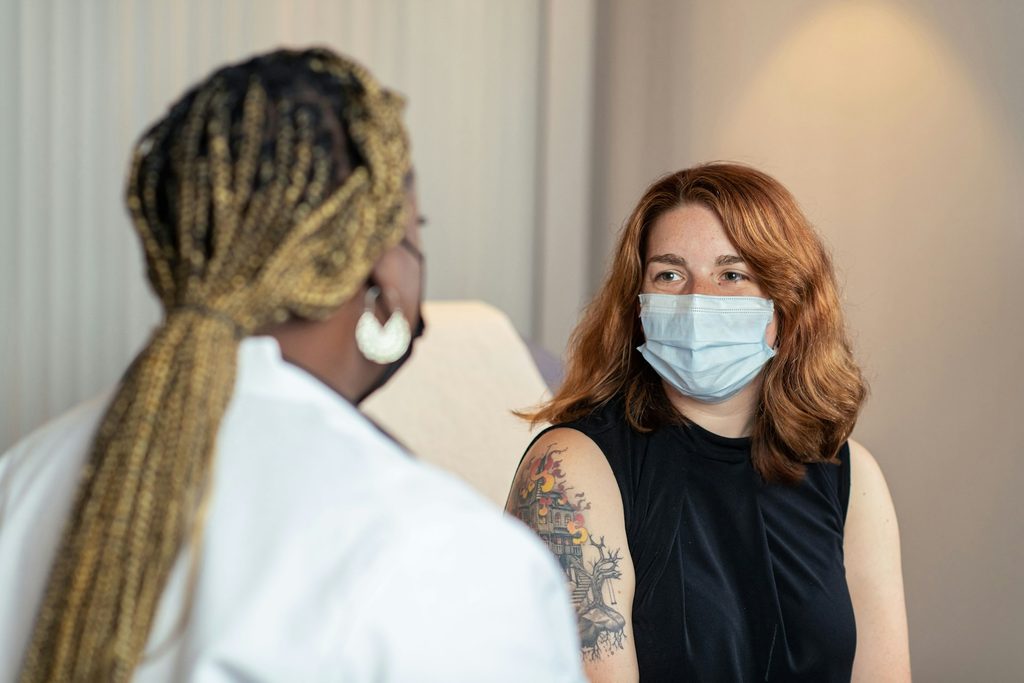
You may feel pressure or cramping when your provider inserts the speculum. That said, you deserve to have pain taken seriously, so tell your provider immediately if something hurts rather than feeling you have to tolerate it quietly.
In a Reddit discussion, personal accounts suggest the test can feel like a number of sensations, although another person’s comparison won’t predict your experience. You’ll encounter comparisons such as:
Use these descriptions as conversation starters, not a checklist of what you should feel. Before the test, you may benefit from asking how you can signal that you want a pause. During it, describe what you’re experiencing in your own words so your provider can respond to your needs.
Yes, you can generally have your Pap while on your period. The CDC confirms that both Pap and HPV testing can still be performed during menstruation, so your period doesn’t automatically mean you need to cancel.
If you can choose your timing, a day without bleeding may make sample collection easier. If your period arrives unexpectedly, consider your flow and ask your clinic whether you should keep the appointment.
You can explain whether your bleeding is light or heavy and ask what your provider prefers. Getting a direct answer can spare you the uncertainty of making a decision on your own.
You can feel nervous and still take the next step toward screening. Bring your questions, ask for explanations and be honest about anything that makes you uncomfortable. Knowing how to prepare for a Pap smear gives you a starting point, but you don’t need to arrive without a single worry.
Check your screening schedule with your provider and book when you’re due. You deserve clear information and a say in how your appointment unfolds.

Your email address will only be used to send you our newsletter, and at any time you may unsubscribe. For more information, see our Privacy Policy.
