

Body + Mind is reader-supported. We may earn an affiliate commission when you buy through some of the links on our site.
Exploring cultural cuisines with your children is a surefire way to broaden their palates and enhance their culinary experiences, potentially instilling a love of experimenting with food in the future. By cooking together, you can forge stronger bonds and cultivate a stronger appreciation for diverse foods. Cooking can be an adventure that expands horizons, nurturing creativity and curiosity while fostering a love for culinary diversity.
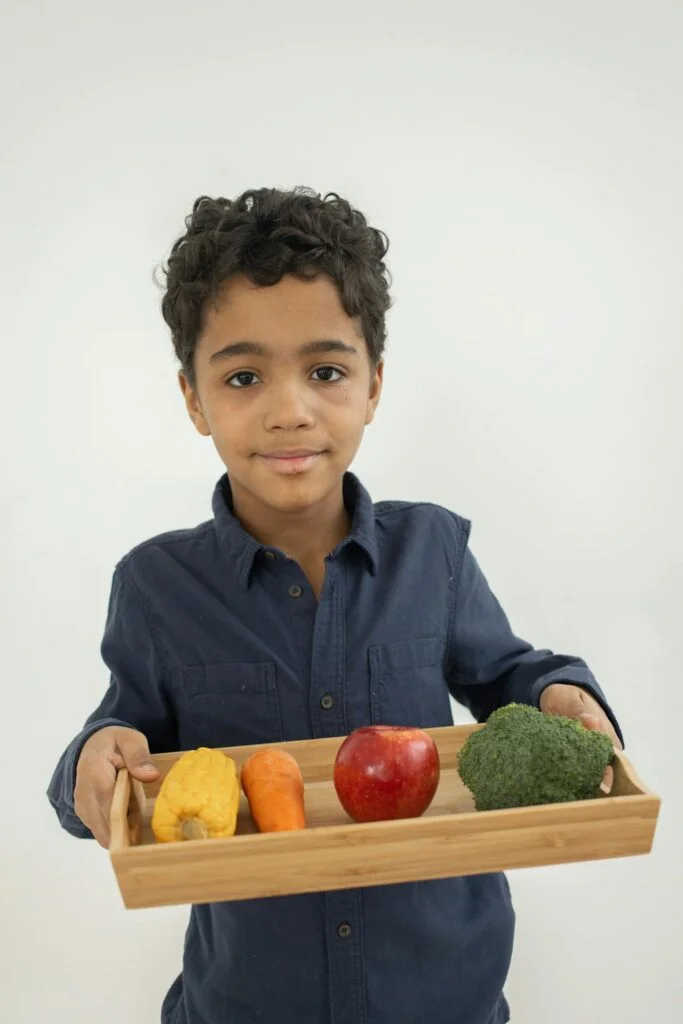
Introducing diverse foods to children will tantalize their developing taste buds, but it’s about more than that. Exploring cultural cuisine fosters an adventurous palate, encouraging kids to embrace new flavors and textures. This openness to different foods can translate into a willingness to try new experiences in other areas of their lives, including creativity through cooking. Encouraging the natural imagination is paramount for developing children’s emotional growth, critical thinking and problem-solving skills.
Moreover, sampling diverse food can open a gate to learning about different cultures, geography and traditions. Each dish tells a story and reflects the history and customs of its origin. By cooking and sharing these meals, children can better understand and relate to the customs and values of people around the world from the comfort of their dinner table.
So, introduce your kids to the spices of Indian curries and the flavors of Mexican tacos. These will open their eyes to global traditions and expand their culinary repertoire through their taste buds. With this hands-on approach to learning, you can pique their innate curiosity and foster their respect for diversity, helping them become culturally aware individuals ready to thrive in an interconnected world.
Jumping straight into creating complex, authentic cultural dishes could backfire by overwhelming younger, picky eaters. Enter fusion cuisine to save the day. This creative approach to blending familiar, beloved flavors with new and exciting ones can make the experience of trying something new less intimidating. Fusion cooking is about breaking down barriers by creating a bridge between diverse culinary traditions with something original.
In this way, it invites children to explore new tastes and textures while still enjoying the comforting ones they’re already familiar with. Simple fusion ideas can make transitioning between cultural cuisines easier. For instance, by adding a touch of teriyaki sauce to your wholesome chicken nuggets, you’ll transform a classic favorite with this hint of Japanese flavor. Another playful culinary twist is to add black beans to your mother’s shepherd’s pie recipe, enhancing its nutritional value and introducing a little Mexican flair and flavor to this established everyday dish.
These easy additions pave the way for more adventurous palates, encouraging your kids to embrace global flavors without feeling intimidated. Fusion cuisine provides a key to further culinary exploration for children, making mealtimes more adventurous without forcing immediate, dramatic change.
If done in a way that considers their personalities and palates, introducing your children to cultural cuisine can be a fun and rewarding experience that can strengthen your family bond. Engaging in the cooking process together allows the kids to explore new flavors while developing essential skills for their personal development. These three easy cultural foods can promote their hands-on involvement and encourage their culinary creativity.
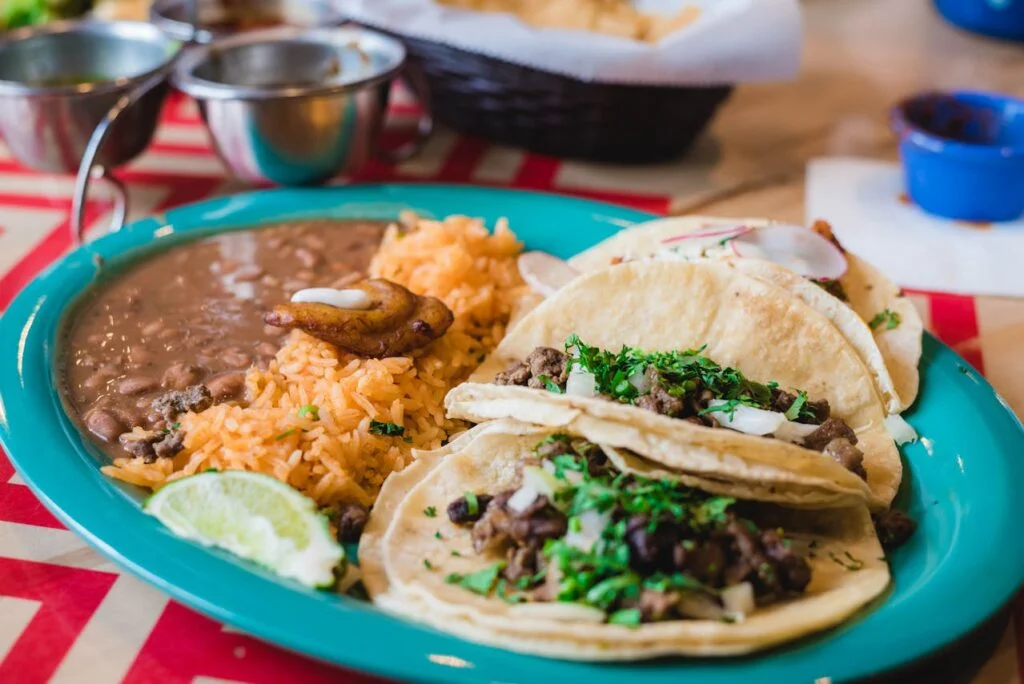
Mexican Tacos are perfect for encouraging a little kitchen flair, with their level of customization allowing children to assemble their own recipes with choice ingredients. From selecting soft or hard shells to layering fillings like seasoned meat, lettuce, cheese and salsa, your kids can take charge of their meal design, making its creation a fun and interactive event.
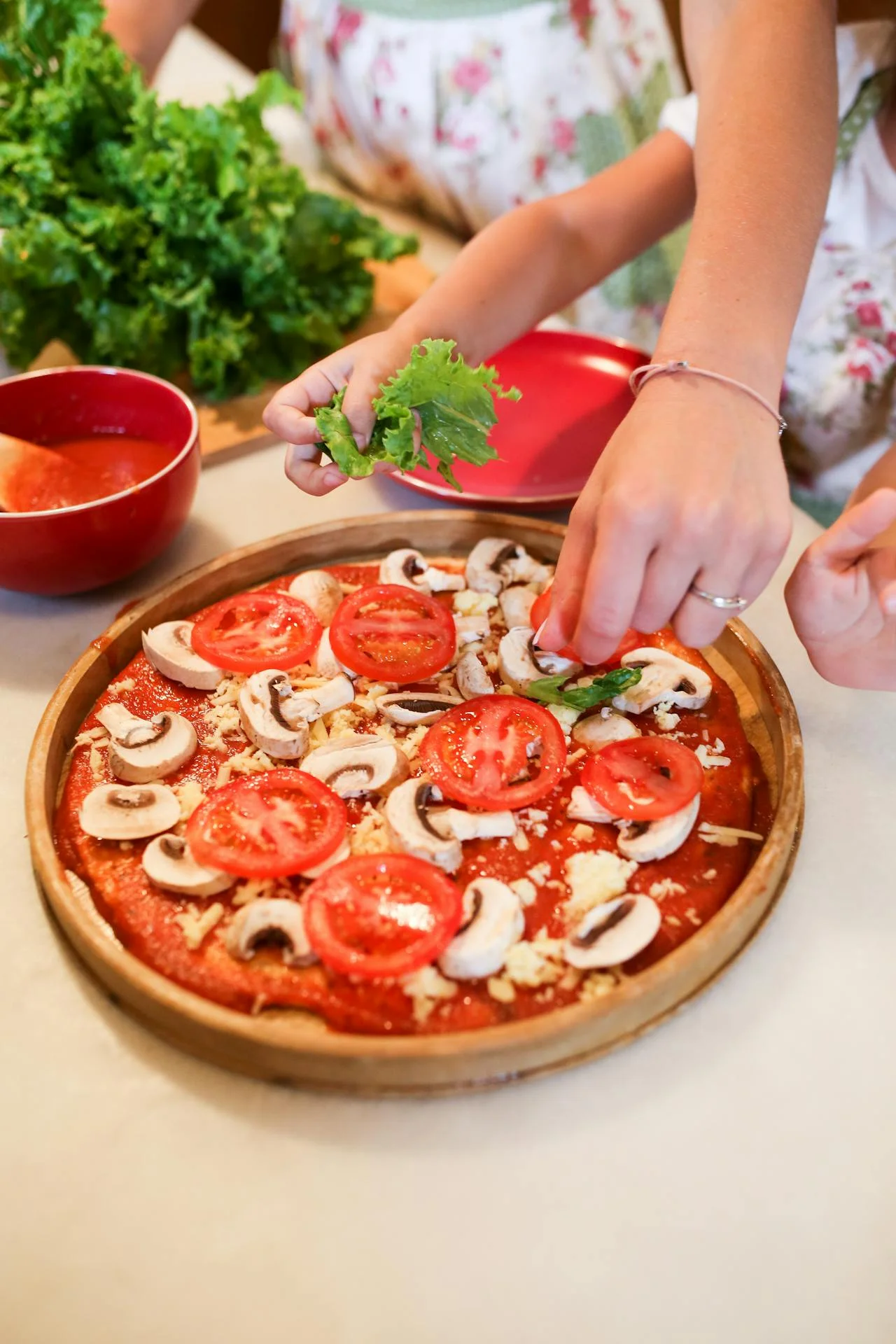
Italian immigrants first introduced pizza to the United States in the late 19th and early 20th centuries, with families often making it from scratch in their kitchens. Your kids can help roll out dough, spread sauce and sprinkle cheese while getting involved in choosing from a variety of toppings. It empowers them to get creative while learning to balance the flavors and textures of this cultural classic.
Unlike Chinese spring rolls, you don’t fry Vietnamese fresh summer rolls, making them a safer and healthier cultural option to prepare with your kids. Using rice paper, fresh herbs, and your choice of protein, such as pork or shrimp, or even chicken or tofu, along with crunchy vegetables. Rolling the gỏi cuốn and eating it cold with a dipping sauce is a hands-on activity that can encourage your children’s fine motor skills.
These hands-on dishes create opportunities for learning and fun, allowing children to take pride in what they’ve made while exploring various cultures through food.
To encourage your young ones’ participation, you can transform the occasional mealtime into an engaging theme night that celebrates global cultures. Do a little research and learn a few words from the language of the country of the food you’re preparing to share with your family. Perhaps even line up some traditional music from the destination to enrich the experience beyond eating.
Involving your children in sourcing ingredients for your cultural cuisine is equally valuable. You can visit farmers’ markets together to find fresh, local produce, allowing them further insight and connection with the food they eat by meeting and communicating with the growers directly. Fresh ingredients enhance the flavor of cultural dishes, making them even more delicious and encouraging greater acceptance.
Cooking together as a family is about more than the delicious cultural dish you create — it’s about bonding and working as a unit. Much like the many other family pastimes you enjoy together, preparing a meal is an opportunity to create lasting memories, with anecdotes you can revisit and laugh or smile about in the future.
Preparing wide-ranging, creative meals with your children can promote essential life skills — measuring ingredients can assist with numerical abilities, following recipes can encourage reading and the cooking activity can develop their fine motor skills in general. Keeping your kids busy in the kitchen helps promote their mental development as they learn and experiment.
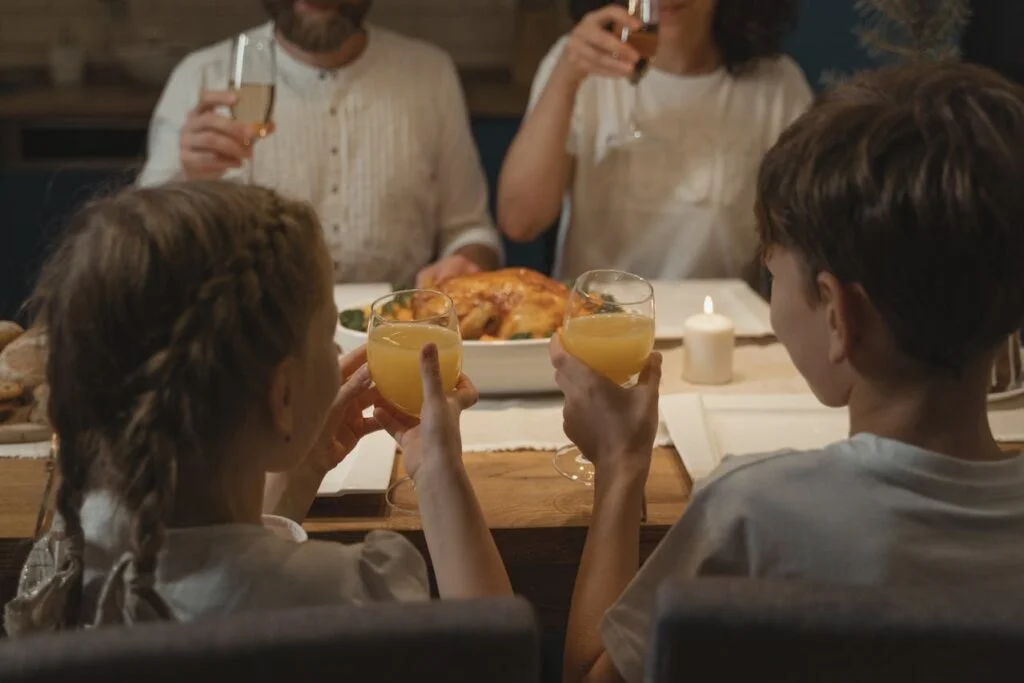
Simplifying your cultural culinary journey with your kids can make the adventure enjoyable and educational. These strategies will help create a positive environment around food exploration, encouraging your children’s natural curiosity and promoting their open-mindedness toward diverse cuisines:
When you explore cultural cuisine with your children, get ready for a joyful journey of learning, bonding and discovery. Hands-on cooking will allow the kids to develop essential life skills while embracing new flavors, so encourage their adventurous palates in a tempered way to start, promoting their openness to the diverse meals ahead. Exploring global flavors will enrich your family’s life and fill your home with warmth, laughter and more spice!

Your email address will only be used to send you our newsletter, and at any time you may unsubscribe. For more information, see our Privacy Policy.
