

Body + Mind is reader-supported. We may earn an affiliate commission when you buy through some of the links on our site.
You reach for the same plastic cutting board every day without a second thought. It has been the default kitchen recommendation for decades, but two questions keep resurfacing. Is it quietly shedding plastic into your dinner, and is it actually cleaner than the wooden board sitting in your cabinet? The honest answer touches on both microplastics and bacteria, and the science on each is more nuanced than the headlines suggest.
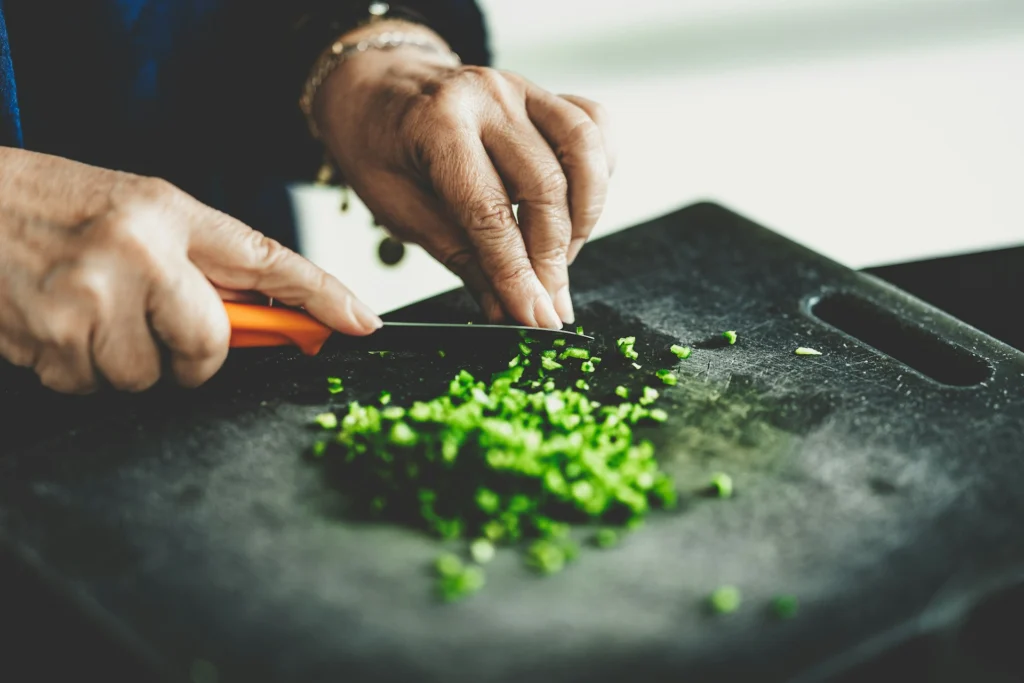
Every time your knife meets a plastic cutting board, tiny fragments shear off the surface. A single plastic board can release between 14.5 and 71.9 million microplastic particles a year, with polypropylene boards shedding up to 79.4 million. Chopping produce like carrots increases how much material breaks free, and the particles that come loose are small enough to blend directly into whatever you are preparing.
That range sounds alarming, and it is worth pausing on before you toss every plastic item in your kitchen. Researchers behind that same study also tested how those exact particles affected mouse cells in a lab setting and found no measurable harm after 72 hours. Microplastics have become difficult to avoid entirely, showing up in everyday sources well beyond your cutting board, so this is one small contributor to a much bigger picture rather than a standalone crisis.
So the particles themselves may not be acutely toxic on their own. But where do they actually go once they are inside you? Digestion breaks down food, but it does not break down plastic. Researchers are still working out how ingested microplastics interact with the gut microbiome, and since your microbiome affects everything from mood to immune defense, keeping your gut environment resilient is a practical way to support your body while researchers sort out the bigger questions.
This does not mean you need to overhaul your diet because of a cutting board. It simply means the foundational habits that support digestion, like eating enough fiber and staying hydrated, do double duty here. A resilient gut is better equipped to handle whatever low-level exposure comes its way, plastic particles included.
While microplastics get most of the attention lately, cutting boards carry a much older safety concern too—bacteria. For decades, the standard advice was simple. You choose plastic because it is easier to sanitize than porous wood. Official food safety guidance still lists plastic, glass and marble as acceptable non-porous cutting surfaces alongside wood, as long as the board has no deep grooves where bacteria can hide.
To keep any cutting board sanitary, a few consistent habits matter more than the material itself:
Skipping these steps matters more than which material sits on your counter. A well-maintained plastic board can outperform a neglected wooden one, and the reverse is also true.
With both microplastics and bacteria on the table, you might be wondering which material comes out ahead. The honest answer is that neither one is perfect, and the right choice depends on what you are cutting. Plastic remains a practical, budget-friendly option for raw meat and poultry because you can sanitize it thoroughly and run it through the dishwasher.
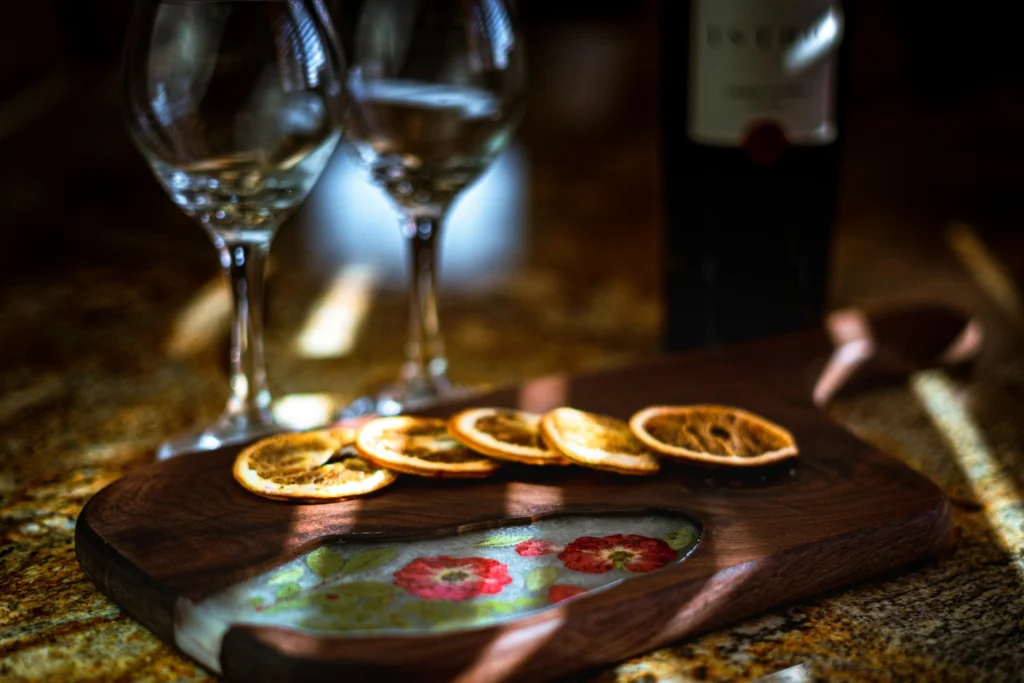
Wood and bamboo, on the other hand, shed no plastic at all. Some research suggests bacteria trapped in wood grain can die off over time rather than multiply the way it can in the surface scars of a worn plastic board.
What matters more than the material itself is how consistently you clean, sanitize and replace whichever board you are using. A ten-year-old plastic board with deep knife grooves is a worse choice than a well-cared-for wooden one, regardless of what the packaging claimed when you bought it. If you cook for a household with young kids, older adults or anyone with a compromised immune system, err on the side of stricter sanitizing habits rather than agonizing over which raw material sits on your counter.

If you would rather reduce both microplastic release and cross-contamination risk without buying an entirely new kitchen setup, a few small changes go a long way:
None of these changes require an overhaul of your kitchen or your budget. Pairing them with fiber-rich, gut-supportive foods gives your digestive system a bit of extra support while researchers continue studying how microplastics interact with the body over the long term.
Plastic cutting boards are not the kitchen villain some headlines make them out to be, and they are not entirely blameless either. Basic hygiene addresses the bacterial concerns that have shaped decades of advice, and researchers have not yet linked the microplastic findings, while worth taking seriously, to measurable harm in humans. Paying attention to how worn your board looks, sanitizing it consistently and rotating in a wood or bamboo board where it makes sense gives you a genuinely sanitary kitchen without needing to swear off plastic completely.

Your email address will only be used to send you our newsletter, and at any time you may unsubscribe. For more information, see our Privacy Policy.
