

Body + Mind is reader-supported. We may earn an affiliate commission when you buy through some of the links on our site.
If you’ve spent any time on wellness TikTok, Instagram or health forums lately, you’ve probably come across berberine. The supplement has been nicknamed “Nature’s Ozempic.” It’s promoted as a natural alternative to popular weight loss medications like Ozempic and Wegovy. But does it really deserve its viral reputation? Here are the benefits of berberine, the side effects and everything you need to know about it.
Berberine, sometimes called berberine hydrochloride, is a natural compound found in several plants, including barberry, goldenseal, golden thread, Oregon grape and tree turmeric. Scientists classify it as an alkaloid, which is a technical way of saying it’s a plant compound that can affect your health.
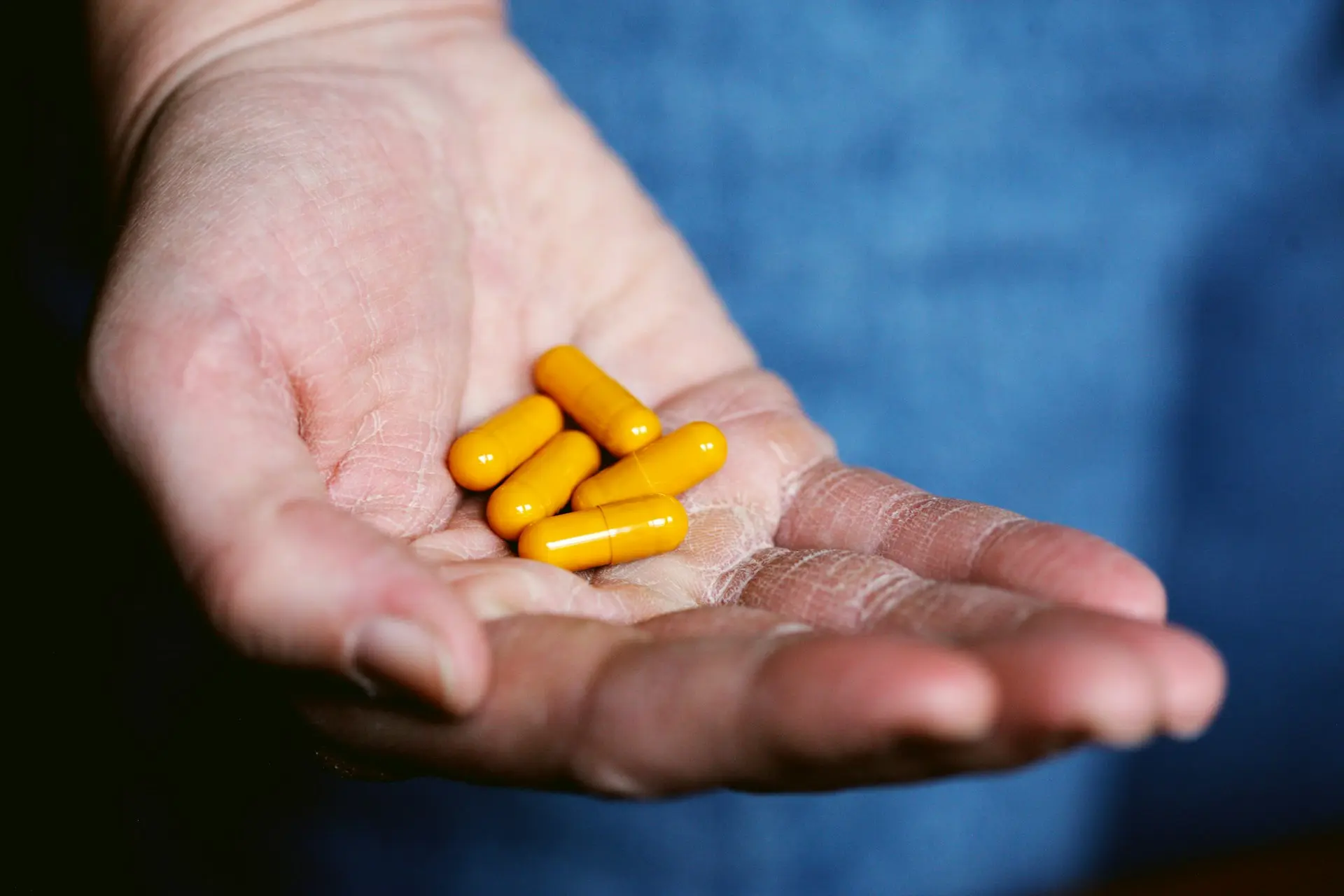
You might recognize berberine by its bright yellow color and bitter taste. Long before it became a popular supplement, it had been used in traditional Chinese medicine for its anti-inflammatory and antimicrobial properties, particularly in treating influenza and respiratory infections.
These days, you’re more likely to come across berberine in capsule or tablet form than in its original plant sources. Researchers have become increasingly interested in it because of its wide range of biological effects, which makes it one of the most studied natural compounds in the wellness world today.

Berberine earned the nickname “Nature’s Ozempic” because it has been linked to better blood sugar control and support for weight management, both of which people are looking for. As Ozempic has become one of the most talked-about weight-loss medications worldwide, interest in natural alternatives has surged alongside it. The nickname isn’t based entirely on hype, since research suggests it may help support some of these goals.
One study found that people taking berberine experienced reductions in body weight, body mass index (BMI) and waist circumference. On average, body weight decreased by 0.88 kg, BMI fell by 0.48 kg/m², and waist circumference dropped by 1.32 cm. Another review found that berberine may help with long-term weight loss and reduce the risk of obesity while also supporting healthy blood sugar levels and reducing insulin resistance.
Still, the comparison isn’t quite as straightforward as social media makes it seem. Ozempic works by helping you feel fuller after eating and slowing stomach emptying, which can have a major impact on appetite and food intake. Berberine, on the other hand, helps regulate how your body uses and manages energy. The end goals may overlap, but the biological pathways aren’t the same.
The scale of the results is also worth noting. Berberine may appear to support weight management, but the changes reported in studies are generally modest compared with the much larger weight-loss results associated with Ozempic. Additionally, berberine is sold as a dietary supplement and has not been approved by the FDA as a weight-loss treatment.
Weight loss may be the main reason berberine went viral, but most of the interest around it comes from metabolic health. Many of the factors that influence your weight, including blood sugar, cholesterol, blood pressure and gut health, are closely connected. Berberine appears to touch several of these areas at once, which helps explain why it has become such a popular supplement. Here are the benefits of berberine that have been proven by science.
If you’ve ever experienced an afternoon energy crash or found yourself reaching for a snack shortly after eating, blood sugar may be the culprit. When your blood sugar levels stay relatively steady, you’re less likely to experience the highs and lows that can leave you feeling hungry, tired or craving a quick fix.
Berberine appears to help your body use insulin more effectively. This makes it easier for cells to take in and use glucose for energy. It also supports the breakdown of glucose while slowing the production of new glucose in the liver. Moreover, studies have consistently shown that berberine can lower blood glucose levels, which may help people with type 2 diabetes.
Berberine has been associated with lower triglyceride levels. These are usually elevated in people with obesity, metabolic syndrome, prediabetes and type 2 diabetes. It has been linked to improvements in both LDL (“bad”) and HDL (“good”) cholesterol among people whose numbers fall outside the healthy range.
An analysis of 4,606 patients found that berberine performed similarly to statins—prescription cholesterol medicine—in improving LDL, HDL and total cholesterol levels. While berberine shouldn’t be used as a substitute, taking it in addition to statins could provide extra benefits for lowering cholesterol and improving other aspects of heart and artery health.

Your gut is home to trillions of microorganisms, and scientists are discovering that these tiny residents influence much more than digestion. They also affect metabolism, inflammation and overall health. That growing understanding has sparked interest in supplements that may help support a healthier microbial balance.
Barberine appears to be one of them. It has been linked to positive changes in the gut microbiome. This is particularly beneficial among people with gastrointestinal conditions and inflammatory bowel diseases. What’s fascinating is how far those effects may reach. Animal studies have linked berberine’s effects on the microbiome to conditions such as liver disease and colorectal cancer.
High blood pressure is a major risk factor for heart disease and stroke. Researchers have also looked at berberine’s effects in this area. Across 20 clinical trials, people taking berberine saw their blood pressure move in the right direction. On average, systolic blood pressure, the top number in a reading, fell by more than 5 mmHg, while diastolic blood pressure, the bottom number, decreased by less than 3 mmHg.
Like any supplement, berberine can cause side effects. The most commonly reported berberine side effects involve the digestive system, including:
Berberine may also interact with certain medications, such as cyclosporine, metformin, omeprazole and losartan. Plus, pregnant and breastfeeding individuals are generally advised to avoid this supplement unless specifically directed by a healthcare professional.
It may be worth discussing with your doctor or a qualified healthcare professional if you’re looking for support with blood sugar management, metabolic health or cholesterol levels. The research in these areas is promising and continues to grow. However, if your primary goal is dramatic weight loss similar to what you’ve seen associated with Ozempic, berberine may leave you disappointed. The evidence suggests it can help, but the effects are generally much smaller.
Before starting any supplement, it’s wise to seek professional guidance. What works well for one person may not be appropriate for another.

Your email address will only be used to send you our newsletter, and at any time you may unsubscribe. For more information, see our Privacy Policy.
