Some mornings, I open my eyes and feel like I’m already behind. My mind starts sprinting before my feet even touch the floor as emails, errands, deadlines and busy kids take over the day — and breakfast’s not even made. That’s when I reach for something simple yet surprisingly powerful with my candle and flower breathing routine.
It takes no equipment, no yoga mat and no perfect mindset. All I need are a few quiet breaths and a little imagination. It started as a stress tool, which I tried out of curiosity, but it’s become a steady companion through busy, loud days and restless nights.
Here’s what it is, how it works and how you can make it part of your day when you need calm the most.
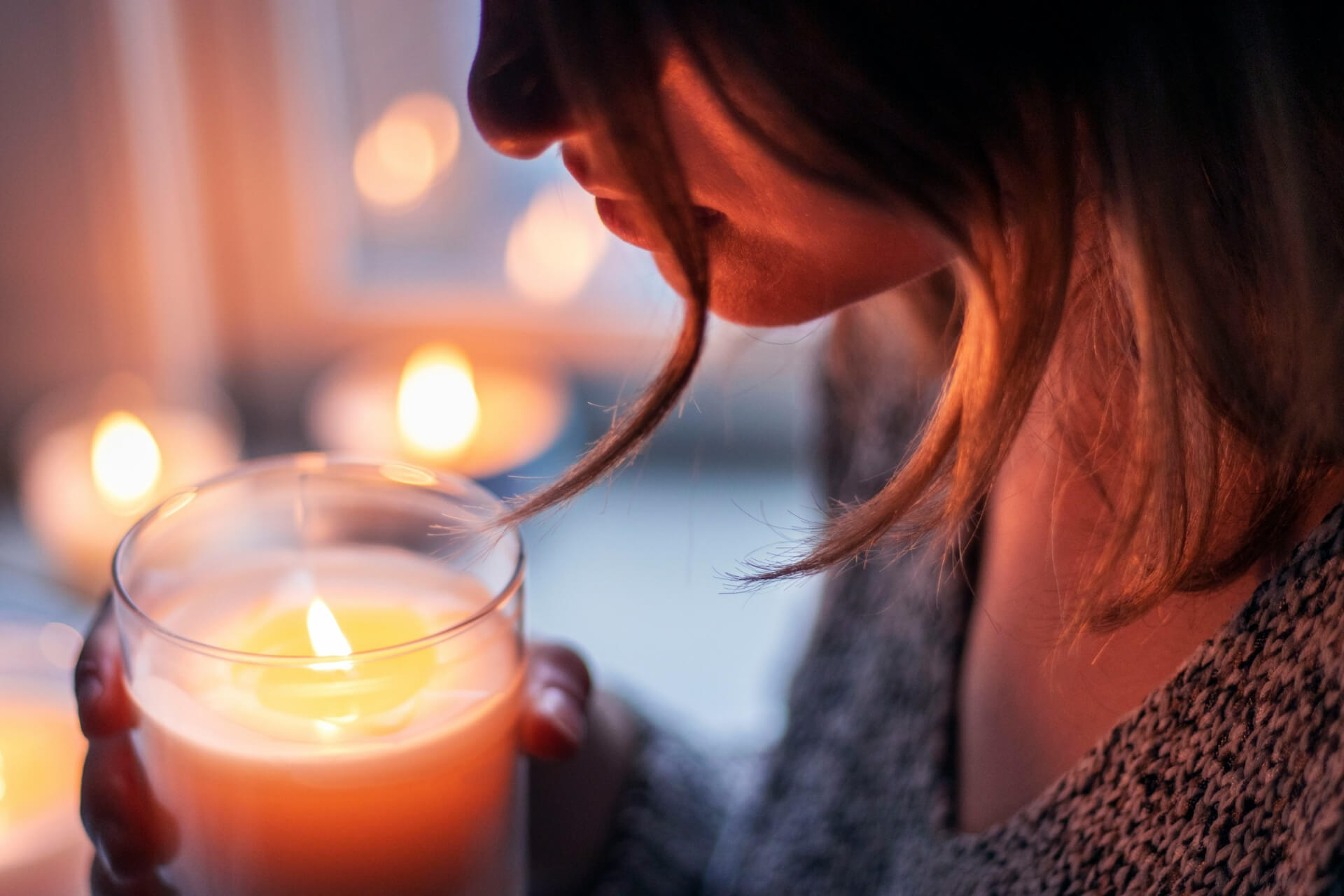
Use a real candle or imagine the flame for this easy breathwork.
What Is Candle Breathing?
Candle breathing, sometimes called a flower meditation, is a mindfulness technique based on two vivid mental images — breathing in as a candle is lit and exhaling as the flame is blown out. Alternatively, you can choose the imagery of a flower blooming. You inhale when it opens and exhale as the petals gently fold shut.
The combination of mental imagery anchors your attention while helping you control your breath. You don’t need to sit cross-legged or close your eyes, though you can, and it may help. The key is the consistent rhythm of a slow inhale and a longer exhale. This pattern encourages baby breathing or diaphragmatic breathing, and this deep, controlled breathing signals the body to relax.
When you imagine a candle or a flower, your brain ties the physical breath to a sensory image, helping shift focus away from racing thoughts. It’s a gentle way to practice mindful breathing without needing to “clear your mind” entirely. This makes it extremely beginner-friendly. It’s the mindfulness alternative to the calming static of white noise that soothes anxiety to help people sleep better.
How to Practice the Candle Breathing Technique
You can do this anywhere, even at your desk, in bed or while waiting in line. Sit or stand with your shoulders relaxed and your spine tall to free your diaphragm. Plant your feet on the floor and rest your hands on your thighs if you're seated.
1. Imagine the Candle
Close your eyes and picture a candle in your hands. It might be rose or lavender scented or a flavor from your childhood, like birthday candles on a cake. Notice the shape, color and size of it. The more detail you place into the visualization, the greater the impact, but it requires minimal effort and produces results in a few moments per session.
Now, inhale slowly through your nose as the candle lights up. Try for a count of three or four, as though you are preparing to blow out the candle. If you choose the flower variation, you can imagine smelling the fragrance with a long inhale. Let your chest and belly expand.
2. Blow out the Flame
Now that the candle is lit or you have smelled the flower, it’s time to exhale deeply and slowly. This is your opportunity to make the candle flame dance. Try not to blow it out. If you imagined the flower, you are trying to make the petals curl on your breath.
The longer you exhale, the more it slows your heart rate, helping to lower your blood pressure and settle your body into a calm state.
3. Repeat and Relax
Repeat the cycle five to 10 times, or as long as it feels good. With the candle, you can see the flame twist toward you when you inhale and away from you when you exhale. The flower petals curl toward you and away from you with each breath.
As you breathe, notice how your shoulders drop, your chest loosens and your thoughts slow down. Some people like to count their breaths, while others follow the rhythm. Both work, but the point is to stay aware and steady.
If candles and flames don't work for you, try a flower instead.
Why Candle Breathing Works — the Simple Science
When I first began this exercise, I thought it was all about slowing breath and therefore slowing down, but there’s solid science behind why it feels so effective.
Activate the Parasympathetic Nervous System
Slow, deep breathing or even a few deep sighs sends a signal through the vagus nerve to the body’s “rest and digest” function, the parasympathetic nervous system. This helps to counter the “fight or flight” reaction that drives anxiety, tension and rapid heart rate.
Exhale Longer for Benefit
According to the Cleveland Clinic, exhaling through pursed lips, like you would when making the flame dance, creates a slight resistance. This helps empty stale air from the lungs more slowly, gently calming your overall breathing. The reward is better oxygen exchange, lower heart rate and a deep sense of relaxation.
Visualize for an Anchored Mind
The brain loves stories and sensory images. That’s why children’s stories are always so colorful and filled with imagery — they capture the imagination and keep kids invested. As an adult, you can use the exact mechanism to dive deeper into your meditative state and trigger physiological changes.
A 2024 study found that breath can affect the immune system through the parasympathetic nervous system, and that these changes are more significant when combined with visual imagery. So thinking of an image affected by your breath is a powerful combination that helps you reset factors that influence your immunity and health, such as lowering cortisol and blood pressure.
So, while it’s really easy to draw a deep breath and think of that breath affecting a candle flame, it’s even more basic in that your brain sees this as flipping a switch. By claiming this elemental control, you subconsciously tell your body that you’re in control and that there’s no need to panic or feel stressed.
The birthday cake image is ideal for kids to learn mindfulness.
When to Use Variations to Keep It Fresh
Doing the same exercise daily can become repetitive, causing the system to lose its magic. So, I’ve found a few creative ways to make candle breathing more engaging for me and my kids.
For Children and the Kids-at-Heart
Try these easy variations:
Birthday cake breathing: Imagine a whole cake covered in candles. Inhale deeply to make a wish, then blow all the candles out in a big, long woosh. You have to keep enough air back to get all the candles, which helps slow the exhalation.
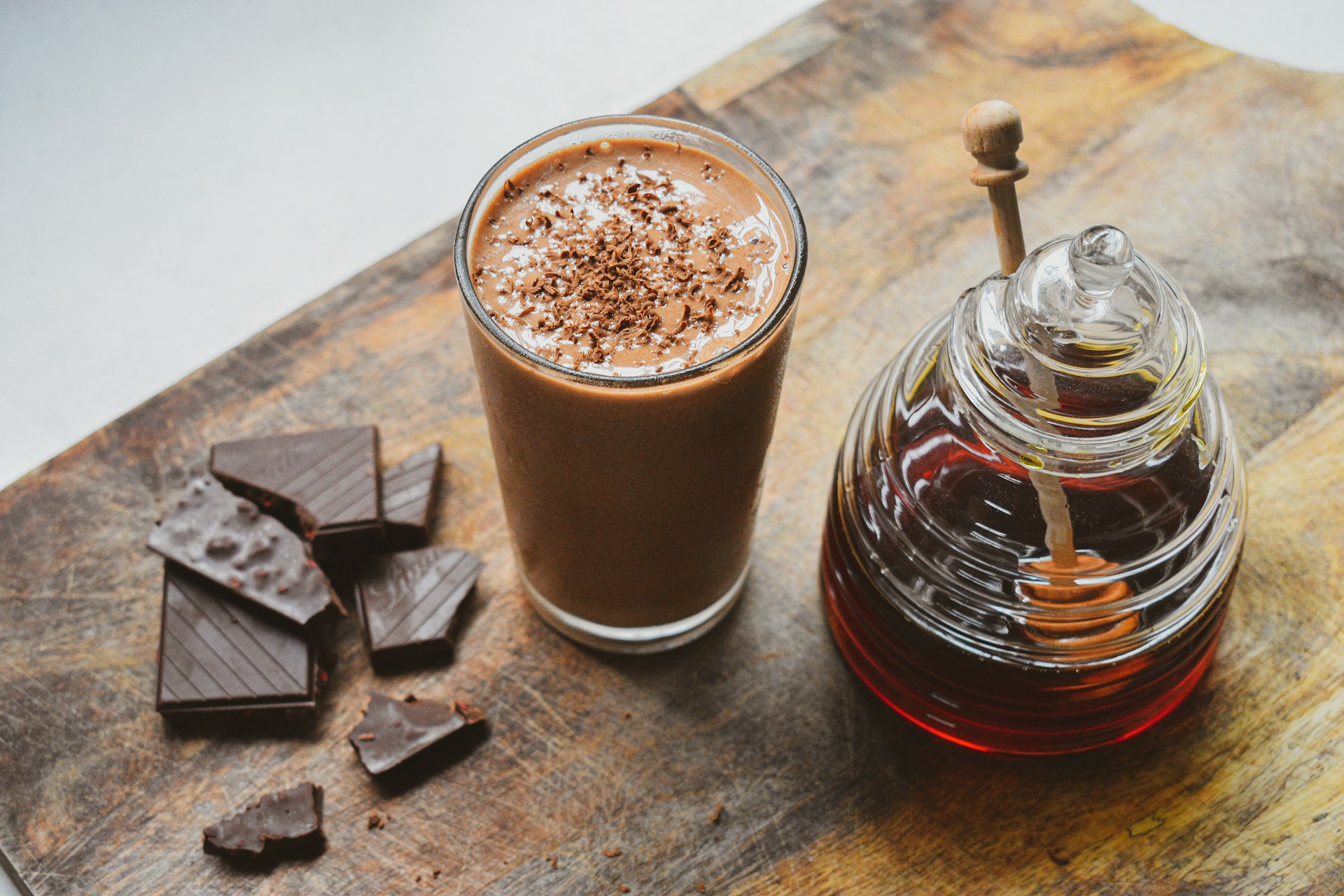
Hot cocoa breathing: Pretend you’re holding a warm cup. Smell the chocolatey aroma, then blow gently to cool it. It’s cozy and calming.
For a Deeper Calm
When you really need the full benefit of the process, you can try these alternatives:
The gray smoke and flower: Imagine you are using the flower image, but when you exhale, you release a pale gray smoke over the flower, letting go of all negativity. Once you inhale again, you draw the clean scent of the blossom into your lungs.
The feather flight: Picture a bright, downy feather pinched between your thumb and index finger. As you inhale, it gently curls toward you, and when you exhale, you release the feather to flutter in a lazy spiral to the ground. Expand on this by using your breath to make the feather rise or gently settle down.
The flickering flame challenge: Try making the flame flicker without extinguishing it. This takes control and focus. Even in your imagination, your breath needs to be steady and soft. It’s a mini mindfulness challenge that builds breath control and patience, vital skills for any parent to create trust in their child through consistent presence.
Alternate by picturing a feather instead of the candle.
Where and When to Use the Meditation
This meditation is so practical that you can use it anywhere with a few modifications. My favorite moments to practice it include a workday pause when you can take a few breaths to reset your mind. You can also breathe in traffic but keep your eyes open and on the road while you breathe and picture the feather floating over the turnpike.
Make it part of your bedtime routine to help you sleep better and control your pursed lips breathing before you have a tough conversation to help you respond calmly instead of reacting.
Breathwork Questions Answered
Despite breathing being the first thing you do when you are born, you may find it surprisingly difficult when stressed or rushed. You may experience these sensations, and here is how to make the most of each inhalation.
“I Feel Dizzy”
Try to breathe less deeply or too quickly, making you feel dizzy. Slow down and take more natural breaths. The goal is comfort.
“My Mind Keeps Wandering”
This is entirely normal. Minds wander — it’s what they do. You must bring your focus back to the flower or candle each time you notice. The redirection is mindfulness in action.
“I Can’t Visualize Things Clearly”
Don’t worry. Focus instead on physical sensations, such as the cool air entering your nose, the warmth as you exhale through your mouth. The technique works even without the vivid imagery, as long as you involve another of your senses with each breath.
Go on and Light Your Candle
Candle and flower breathing may sound almost childlike in simplicity, but that’s what makes it so powerful. It’s gentle enough for anyone, compelling enough to calm your nervous system, and short enough to fit between life’s constant to-dos.
If I catch myself lying awake at night, my mind chasing unfinished tasks, I picture that quiet flame or delicate blossom and take a deep breath. I blow the chaos away when I exhale, but my candle stays lit.