
Body + Mind is reader-supported. We may earn an affiliate commission when you buy through some of the links on our site.
You’ve set three alarms and sworn off late-night scrolling. Yet every morning feels like climbing out of quicksand. Struggling to wake up at 6 a.m. or hitting a wall at 2 p.m. doesn’t mean you’re lazy. It means your body operates on a different rhythm than society demands. A chronotype test can reveal your natural sleep-wake pattern and help you work with your biology instead of against it.
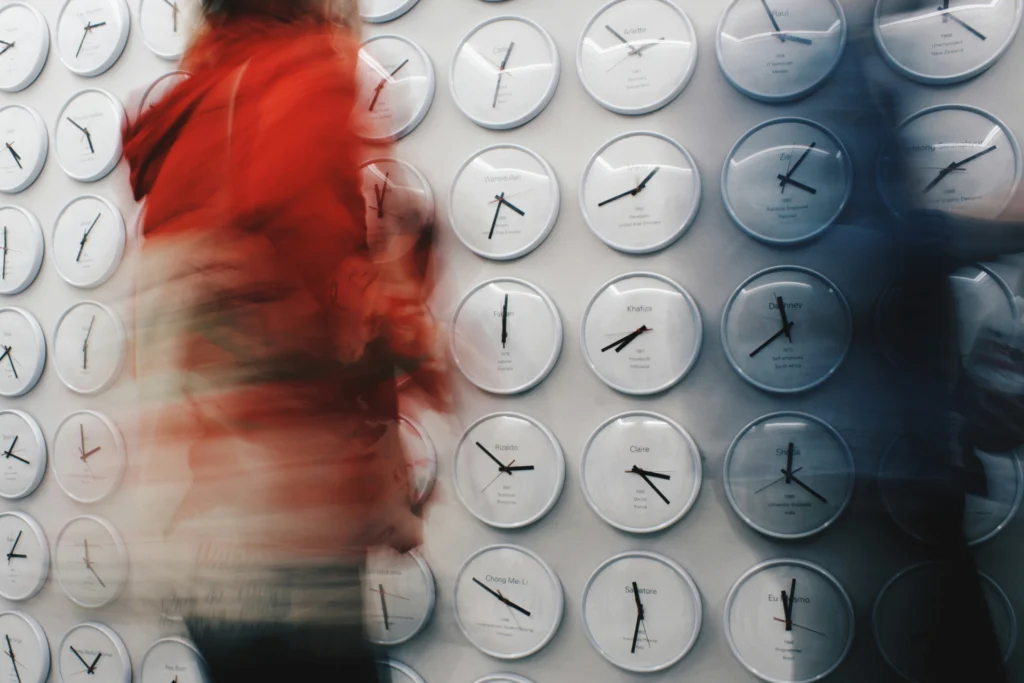
Society has built a world designed for early risers. Morning meetings start at 9 a.m. sharp. Coffee breaks happen mid-morning. Lunch arrives at noon. This entire structure caters to one type of person while ignoring everyone else’s internal clock.
When you force yourself onto a schedule that conflicts with your natural biology, your body protests. You feel foggy during peak productivity hours and wide awake when you should be winding down. Taking a chronotype test helps you understand why this misalignment drains you and what you can do about it.
Even if you personally are aligned with the “normal” daily schedule, you may still have concerns about how to fit around a loved one or partner who isn’t. Understanding someone else’s chronotype test can be just as revealing as understanding your own.
Your chronotype is your body’s genetic preference for being awake or asleep at specific times. Unlike your circadian rhythm, which you can train over time, your chronotype is hardwired into your DNA. It controls when your hormones surge, when your appetite peaks and when your energy naturally rises or falls.
Some people are biologically programmed to wake before dawn, while others hit their stride after sunset. Understanding your type gives you permission to stop fighting your nature.
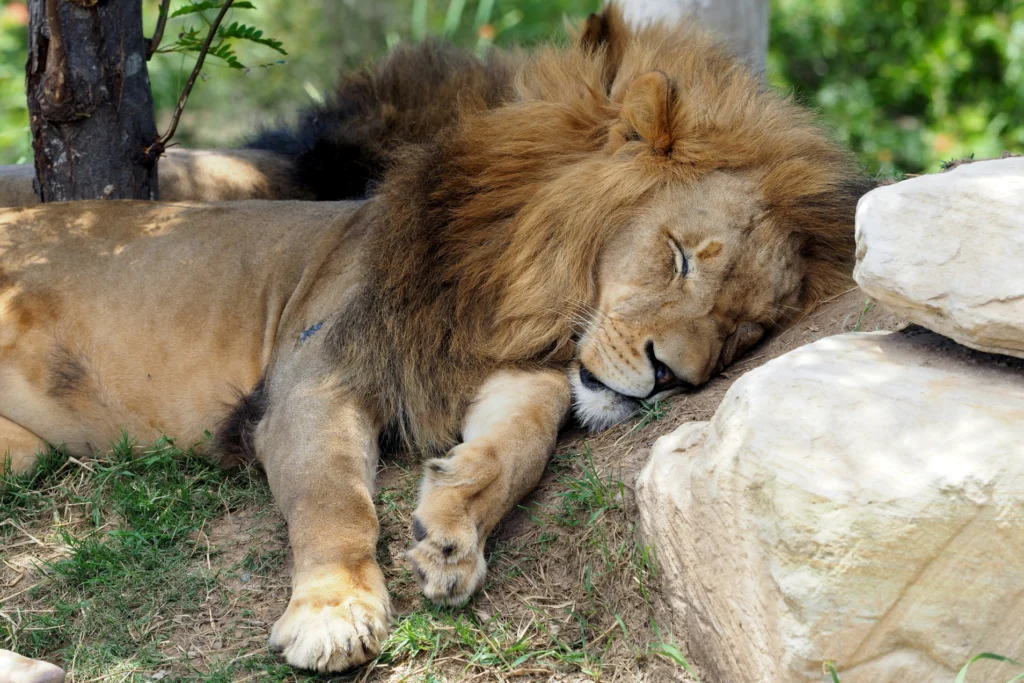
Dr. Michael Breus categorized chronotypes into four animal archetypes based on sleep-wake patterns. Before diving into what each animal represents, you might want to take the original chronotype test to discover which one describes you best. Here’s how the population breaks down.
Lions wake before dawn without an alarm. They’re sharp and productive in the early morning hours but start fading by early evening. If you’re naturally up at 5:30 a.m. and ready for bed by 9 p.m., you’re likely a Lion. This type makes up about 15% of the population.
Bears follow the sun’s rhythm and sync well with traditional schedules. They wake when it’s light, feel most energized from mid-morning through early afternoon and wind down as evening approaches. This is the most common chronotype, representing roughly 55% of people.
Wolves struggle in the morning and come alive as the day progresses. Peak energy hits in the late afternoon and evening, with creative breakthroughs often happening late at night. If you’ve ever been called a night owl, you’re probably a Wolf.
Understanding how chronotype animals differ helps explain why Wolves feel out of sync with morning-oriented Lions and Bears. About 15% of the population falls into this category.
Dolphins are light sleepers prone to fragmented rest. They tend to be highly intelligent but anxious, with minds that resist shutting down. Their energy peaks mid-morning after they’ve fully awakened. Dolphins make up about 10% of people.
Chronic misalignment between your natural rhythm and your daily schedule does more than make you tired. When you consistently operate outside your optimal windows, your emotional regulation suffers. You might notice you’re more irritable, anxious or prone to negative thought spirals.
This phenomenon, sometimes called social jetlag, creates a constant low-level stress that compounds over time. Recognizing your chronotype helps you give yourself grace instead of assuming something is wrong with you.
Your brain’s ability to handle difficult conversations and regulate emotions fluctuates throughout the day. Research shows that learning and emotional processing improve when timed to align with your chronotype. Schedule emotionally demanding tasks during your optimal windows for the best results.
Analytical focus and creative insight happen at opposite times. Your most creative breakthroughs often arrive when your analytical brain loosens its grip during non-optimal hours. Studies exploring creativity and time of day reveal that each chronotype animal experiences creative flow at different times.

Living with a partner who operates on a different internal clock can create tension. One person wants connection at 10 p.m. while the other is half asleep. Research shows that couples with matching chronotypes naturally report better sexual satisfaction and sleep quality than mismatched pairs.
If your rhythms don’t align, small intentional adjustments can help. You can practice circadian phase advances, shifting earlier, or delays, shifting later, by adjusting light exposure, meal timing and sleep schedules gradually. Here’s how different pairings can find their sweet spot.
That heavy sensation when you first wake up is called sleep inertia. It happens when your alarm interrupts your natural sleep cycle or catches you at the wrong point in your rhythm. Strategies to minimize feeling foggy on waking vary by chronotype.
Start small by identifying one daily task and shifting it to align with your natural peak. Notice how your energy and mood respond. The goal is to stop forcing yourself into someone else’s rhythm and start honoring the one your body was designed to follow. When you work with your chronotype instead of against it, everything from your creativity to your relationships can improve.
Your email address will only be used to send you our newsletter, and at any time you may unsubscribe. For more information, see our Privacy Policy.
