


Body + Mind is reader-supported. We may earn an affiliate commission when you buy through some of the links on our site.
Some days your to-do list feels like it’s staging a coup and your body reacts before your brain even catches up. Herbal adaptogens for stress and anxiety have become a go-to for people looking to steady that reaction without reaching for a prescription. Walk through what these herbs actually do, which ones have real research behind them and how to work them into a routine that still leans on sleep, food and movement first.
Adaptogens are a category of herbs and roots that help your body handle physical and mental strain. They do this without overstimulating or sedating you. The term dates back to Soviet-era research on plants that helped soldiers and athletes tolerate stress. It stuck around because it describes something useful. It names a substance that helps your body adapt rather than pushing it in one direction.
Ashwagandha, rhodiola and ginseng all fall under this umbrella today, along with holy basil and schisandra. Unlike caffeine or sleep aids, adaptogens aren’t meant to push you into a specific state. Instead, they support your body’s stress response system so it doesn’t overreact or stay activated longer than necessary.
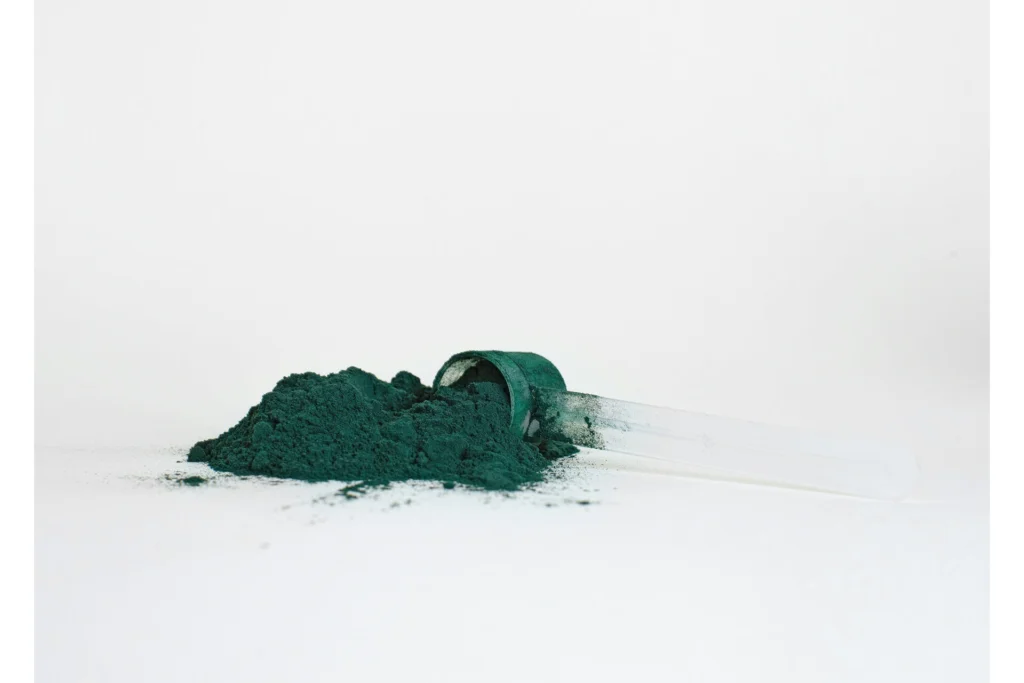
You’ll usually find adaptogens in powder form, capsules or steeped as tea. Some people add them to smoothies or morning coffee, while others prefer a nightly cup before bed. However you take them, the goal stays the same. You’re helping your nervous system recover faster from the daily grind, whether that grind looks like back-to-back meetings or a toddler who skipped their nap.

When you’re stressed, your hypothalamic-pituitary-adrenal axis kicks into gear and releases cortisol. This reaction is to help you respond to whatever’s in front of you. That’s useful for a genuine emergency. It’s less useful when the emergency is a full inbox or a delayed flight and your cortisol stays elevated for hours instead of minutes.
Research found that adaptogenic plants may ease this pattern. The plants ease the pattern by working directly on the cortisol pathway. Ashwagandha has been shown to lower stress scores in adults after roughly two months of consistent use. Researchers looked at nine different adaptogenic herbs. The researchers did this across dozens of randomized trials and the effects showed up in both cortisol levels and self-reported stress. That means the changes aren’t just showing up on a survey— they’re showing up in blood work, too.
Ashwagandha gets the most airtime of any adaptogen and for good reason. Some ashwagandha preparations may be effective for insomnia and stress, though the evidence for anxiety specifically remains unclear.
So, if sleepless nights and a general sense of being wired are your main complaints, ashwagandha has more consistent research than if you’re managing a diagnosed anxiety disorder.
Rhodiola rosea and Panax ginseng are often included in adaptogen blends aimed at fatigue rather than sleep. The same research that examined ashwagandha’s effect on cortisol also looked at Rhodiola rosea, Bacopa monnieri, Panax ginseng and several other herbs. The research found a lower link between certain adaptogens and psychological stress markers in mentally stressed but otherwise healthy adults.
One clinical trial tested a multi-herb adaptogen formula built around ashwagandha and traditional stress-support botanicals. The study tracked mood, sleep quality, and memory alongside stress symptoms over several months.
For example, a freelance graphic designer juggling five different clients who never quite clock out might not be sleep-deprived. However, she would definitely be foggy by 3 p.m. every day. Swapping her afternoon coffee for a rhodia-based tea could help her focus hold up longer into the evening.
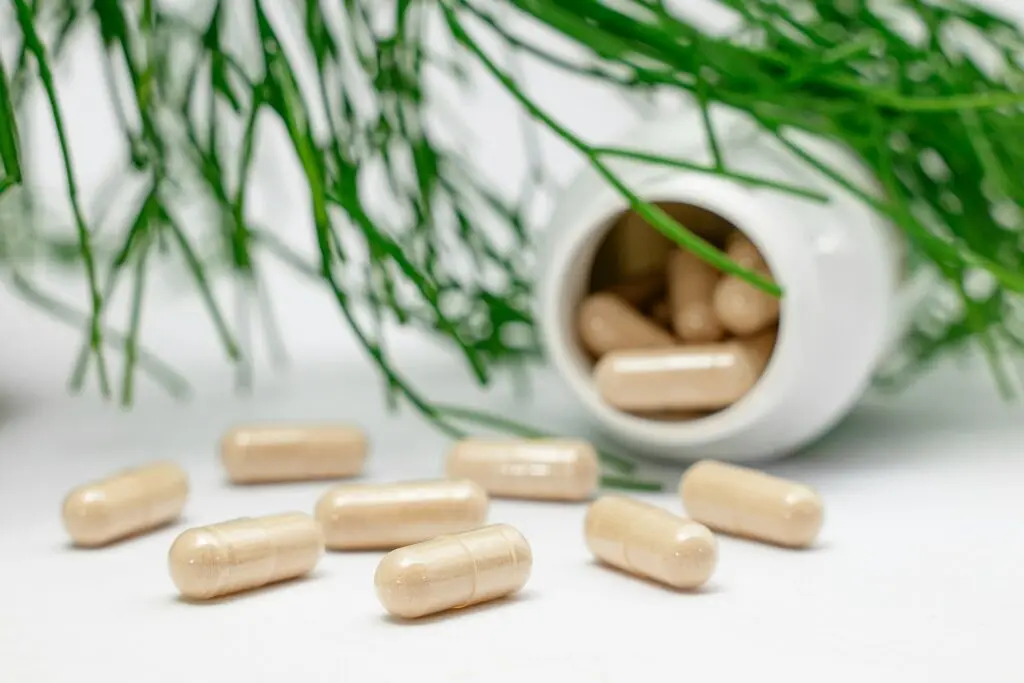
Starting with herbal adaptogens for stress doesn’t have to be complicated. Most capsule products list a daily dose right on the label and tea or powder versions usually work into an existing routine, like blending rhodia powder into a smoothie or steeping an ashwagandha tea after dinner. However, there are a few things worth keeping in mind:
No herb replaces the fundamentals. As Kimberly Glazier Leonte, PhD, a clinical psychologist who developed the OCD Awareness Scale, notes, “nutrition, sleep and exercise are all significantly related to mental health wellness,” and adaptogens work best when they support those three areas rather than stand in for them. Depending on your circumstances, one of those three areas often matters more than the others at any given time, whether that means protecting a consistent sleep schedule, prioritizing balanced nutrition or simply moving more often in a way you genuinely enjoy.
That’s exactly why adaptogens work best as a supplement to those habits rather than a stand-in for them. If sleep is your weak spot, pairing an evening adaptogen with a wind-down practice does more than the herb alone. Yoga nidra can guide you through eight stages of deep relaxation and pairs well with an evening ashwagandha dose for anyone whose stress shows up most at bedtime.
Adaptogens for stress and anxiety aren’t magic, but the research on herbs like ashwagandha and rhodiola gives you a reasonable starting point if you want a natural addition to your routine. Start with one herb, give it a few weeks and keep your sleep, food and movement habits in place alongside it. Talk to your doctor first if you’re pregnant, nursing or managing a health condition and pay attention to how your own body responds over time.
Your email address will only be used to send you our newsletter, and at any time you may unsubscribe. For more information, see our Privacy Policy.
