
Body + Mind is reader-supported. We may earn an affiliate commission when you buy through some of the links on our site.
That tight, itchy feeling on your scalp isn’t just annoying, it’s your skin telling you something’s off. Whether it’s flaking onto your favorite black sweater or just driving you up the wall during a Zoom call, dry scalp is one of those frustrating conditions that’s equal parts common and confusing. The good news is that you can treat it at home. However, you first need to know what’s actually causing it.
Dry scalp occurs when the skin on your scalp loses moisture faster than it can be replenished. A handful of everyday habits make that worse. Cranking up the shower water temperature is a big one. Hot water exposure significantly increases water loss from the skin’s surface. Hot water strips away the natural oils that keep your scalp balanced. Cold, dry winter air does something similar from the outside in, pulling moisture out of your skin while indoor heating dries out the surrounding air even further.
Harsh shampoos are another common culprit. Sulfates and other strong detergents can break down the scalp’s protective barrier and if you’ve recently switched products, dyed your hair or started using a new styling tool, you might be dealing with a reaction rather than plain old dryness.
According to a comprehensive review of skin barrier conditions, dry skin anywhere on the body, including the scalp, tends to stem from a combination of environmental factors, product irritation and underlying skin conditions such as eczema. Age, dehydration and even diet can play a role, too.
Product buildup is important to note as well. Dry scalp isn’t always about stripping. Sometimes, it’s about suffocating. Heavy styling products, dry shampoo overuse and silicone-heavy conditioners can all coat the scalp and block its ability to regulate moisture naturally. If you’ve been layering products without doing a deep cleanse, that buildup might be contributing more than you think.

People mix these up constantly and honestly, it’s an easy mistake. Dry scalp is about moisture loss. Your skin gets tight, flaky and itchy because it’s literally dehydrated. Dandruff, on the other hand, is usually tied to an oily scalp and a yeast overgrowth called Malassezia, which leads to larger, often yellowish flakes. The treatments overlap somewhat, but if your scalp also looks red, greasy or inflamed rather than just dry and tight, you might be dealing with dandruff or a related condition, such as seborrheic dermatitis.
A quick way to tell them apart at home is that dandruff flakes tend to be larger and oiler while dry scalp flakes are smaller and more powdery. Dry scalp also typically comes with that telltale tight, parched feeling, whereas dandruff often comes with greasiness at the roots. If you’re still not sure, a dermatologist can confirm it quickly.
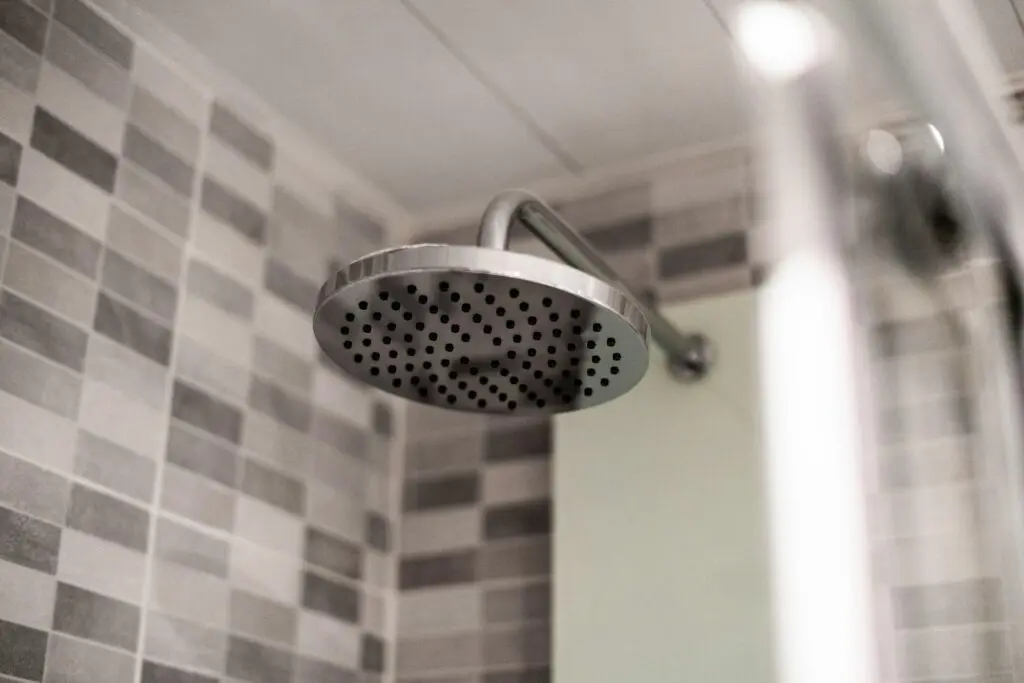
Adjust your shower habits. Start with the water temperature. Lukewarm water is your friend here, since hot water actively works against you by accelerating moisture loss from your skin’s outer layer. Try to keep showers shorter too and avoid scrubbing your scalp aggressively with your nails when you shampoo.
Gentle is the name of the game. One more tweak you can make is how often you wash. Washing your hair every day can make dry scalp worse by rinsing away natural oils your scalp is trying to hold onto. Most people do well washing their hair two to three times a week.
Scalp oils and natural treatments. Natural oils can help replenish what your scalp is missing. Coconut oil is a go-to for a reason. Its fatty acid profile helps it penetrate the skin and support the scalp’s moisture barrier. Warm a small amount between your palms, massage it into your scalp before bed and let it sit overnight or for at least 30 minutes before washing it out. Jojoba and argan oil work similarly and tend to be less greasy if you’re sensitive to heavier oils.
Gentle, sulfate-free shampoo swaps. This is often the single biggest fix. Sulfate-free, fragrance-free formulas are far less likely to strip your scalp’s natural oils, so having a haircare routine that works for you is as important as building a customized skincare routine for more on choosing gentler products across your whole self-care routine. Look for ingredients like glycerin, ceramides and oat extract, which all support hydration rather than fighting against it.
Exfoliating and scalp massage. Just like the skin on your face, your scalp benefits from occasional gentle exfoliation to clear away buildup and dead skin cells that can trap dryness. A soft-bristled scalp brush or a sugar-based scalp scrub once a week is usually plenty, more than that can actually backfire and irritate things further. Pair it with a few minutes of scalp massage daily with fingertips only, no nails, to boost circulation and help your products absorb better.
Most cases of dry scalp respond well to a few weeks of consistent at-home care. But if you’re dealing with persistent redness, swelling, painful cracking or flakes that won’t quit no matter what you try, it’s worth booking a dermatologist appointment. Sometimes what looks like simple dryness is actually a sign of an underlying skin condition that needs a more targeted treatment plan and a professional can help you figure out exactly what’s going on.
You should also check in with a doctor if you notice dry patches that seem to be spreading beyond your scalp, if you’re losing hair in affected areas or if over-the-counter medicated shampoos haven’t made a dent after several weeks of consistent use. These can be signs of conditions like scalp psoriasis or seborrheic dermatitis that respond much better to prescription-strength treatment.

Treating dry scalp at home really comes down to consistency. Cooler showers, the right products and a little extra TLC with oils or gentle exfoliation go a long way. Give your new routine a few weeks before judging the results. Your scalp didn’t get dry overnight and it won’t bounce back overnight either. Stick with it and that itchy, flaky distraction will be a thing of the past.
Your email address will only be used to send you our newsletter, and at any time you may unsubscribe. For more information, see our Privacy Policy.
