

Body + Mind is reader-supported. We may earn an affiliate commission when you buy through some of the links on our site.
You know the feeling when you walk into a room and something seems off, even if you can’t explain why. Or maybe you’ve left a tense conversation feeling drained, unsettled or simply unlike yourself. Some spiritual practices describe that emotional atmosphere as energy — the unseen “vibe” you associate with people, places and experiences.
Energy clearing is a way to consciously reset that experience. Much like physical or emotional self-care, it gives you an opportunity to release what feels heavy or stagnant and create space for something lighter. Simple practices can help you feel calmer, more focused and more comfortable in the world, body and social circles you inhabit.
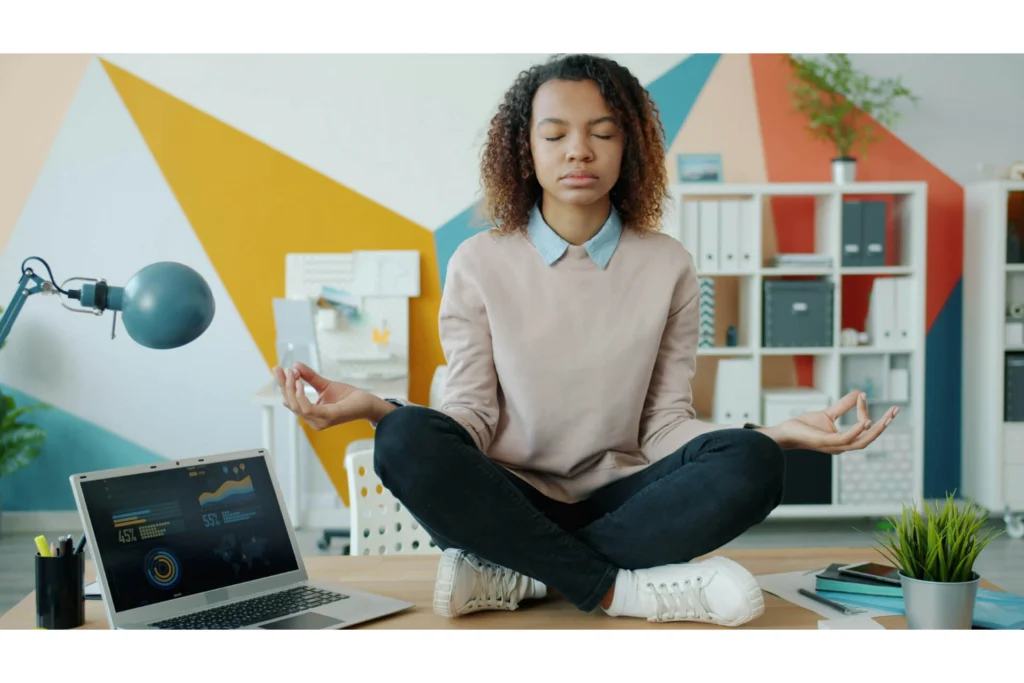
Your own energy is a natural place to begin. You encounter different environments, emotions and personalities throughout the day, and some experiences may leave a stronger impression than others.
An energy cleanse gives you a deliberate transition between what you’ve experienced and how you want to feel moving forward. You can use one practice or combine several depending on what resonates with you.
Your breath gives you a simple energy-clearing practice you can use almost anywhere. Find a comfortable position and take several slow, intentional breaths. As you exhale, imagine releasing tension, difficult emotions or anything else you no longer want to carry.
You can also pair your breathing with a visualization. Picture clean, bright light entering your body as you inhale. As you breathe out, imagine heavy shadows leaving with your exhale. Continue until you feel ready to move forward with your day. You can try extended exhale breathing or alternate nostril inhalation to add dimension to the practice.
Salt has a long history of symbolic use in cleansing and purification practices. A salt bath turns that tradition into a soothing ritual that also gives you time away from everyday distractions.
Add bath salts to warm water and set an intention before getting in. You might focus on letting go of the day and a difficult experience or simply creating a fresh start.
No bathtub? A warm salt foot soak can serve the same ritual purpose. The intention behind the practice matters more than making it elaborate. If you have the time, an ionic footbath passes a low electrical current through salty water to remove toxins, drawing waste material from 2,000 sweat glands on each of your feet.
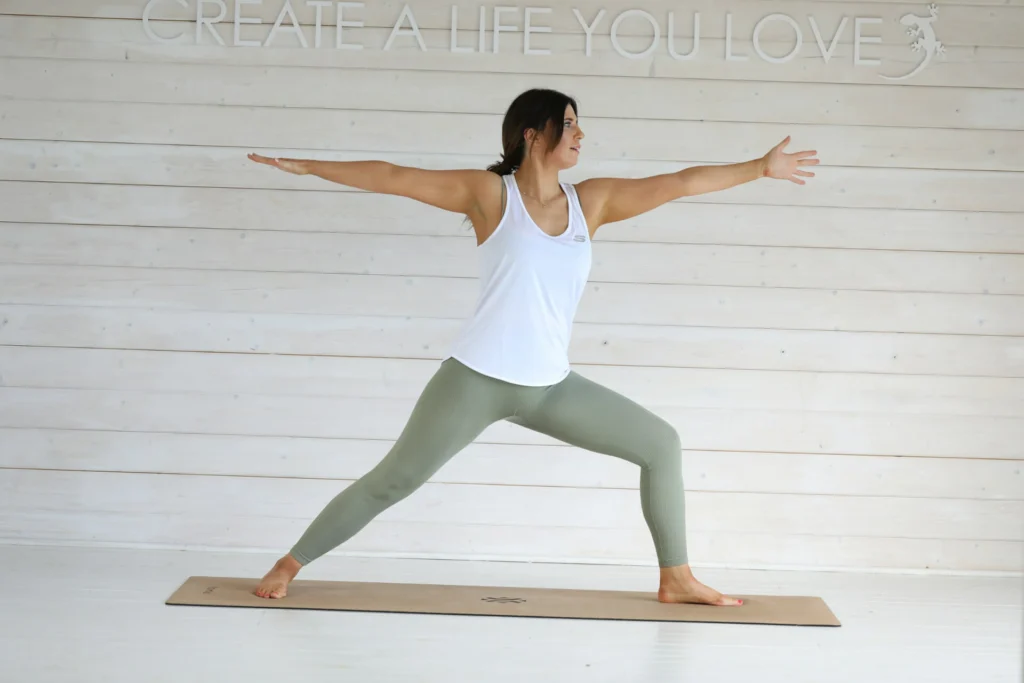
Sometimes sitting quietly can leave you feeling blocked. Movement can provide another way to shift your focus and reconnect with your body. Choose a movement that suits how you feel. Stretch slowly, practice yoga, take a walk, dance to a favorite song or gently shake out your arms and legs.
You don’t need a structured routine. Instead, pay attention to where your body feels tense or restricted and allow yourself to move freely. Movement can work particularly well after long periods of sitting or emotionally demanding experiences, when you want a clear transition into the next part of your day. The CDC recommends physical activity to support your health and longevity, with improvements in bone density and muscle strength as additional benefits.
Crystals feature in many contemporary spiritual and wellness practices. People may choose different stones according to the qualities they symbolize, such as clear quartz for clarity, amethyst for calm or black tourmaline for grounding and protection.
You might hold a crystal while meditating, carry one with you or place it somewhere you frequently spend time. Rather than expecting the crystal itself to create a specific outcome, use it as a physical reminder of the intention you’ve set.
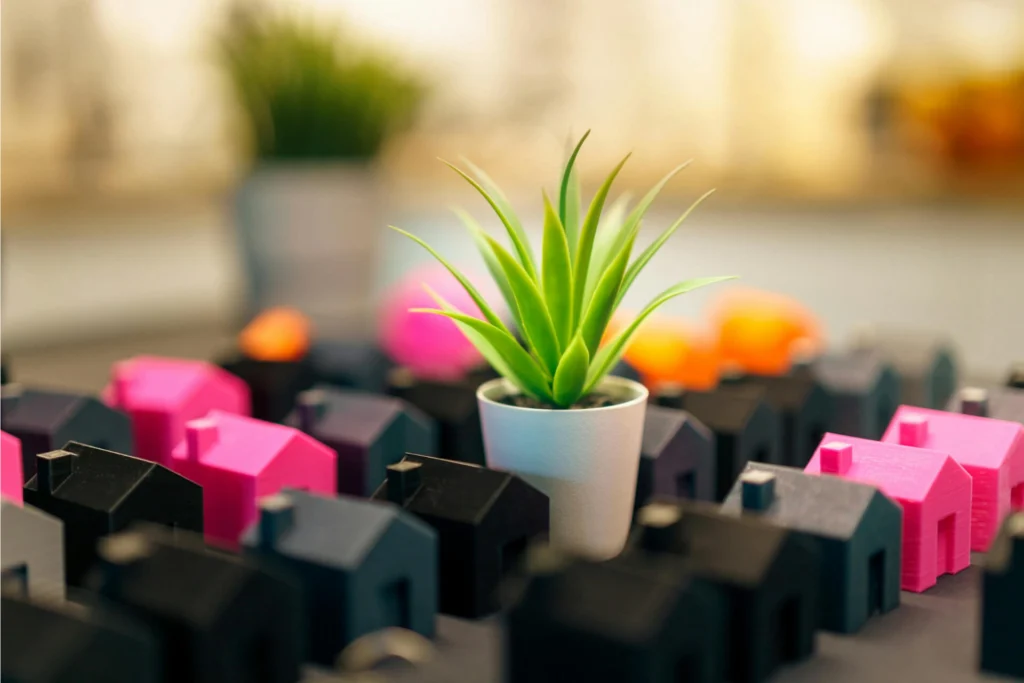
Your surroundings can influence how you feel. A cluttered bedroom might leave you restless, while an airy, sunlit space may feel instantly more inviting. Your home can also become associated with arguments, difficult periods or memories you’d rather leave behind. Space clearing combines practical changes you can control with intentional rituals to help your home feel fresh again.
Start with the physical environment. Put away clutter, clean surfaces and remove belongings you no longer want. Open the curtains and windows where possible to bring in sunlight and fresh air. Once the room feels physically refreshed, you can add an energy-clearing practice.
Burning herbs or incense is one of the better-known approaches to space clearing. Some people use sage, rosemary, cedar or other plants while moving through a room and setting an intention for what they want to release.
However, traditions involving sacred plants and smoke can carry specific cultural or spiritual meanings. Learn about the practice you’re adopting and approach traditions outside your own culture respectfully.
Smoke also isn’t suitable for every household. If you have pets, children, respiratory sensitivities or simply dislike smoke, choose another technique. Opening windows, using sound or misting an appropriate room spray can create a similar sense of ritual without burning anything.
Salt bowls offer a simple, smoke-free option. In some spiritual practices, salt symbolizes purification and protection, so you can place a small bowl in an area where you’d like to create a sense of freshness or calm. Alternatively, you can use a salt lamp to clarify the air by releasing negatively charged ions.
As you put it down, give the bowl a purpose. Your intention might be to create a peaceful bedroom, reset a room after conflict or mark a new beginning after a life change.
Keep bowls safely away from children and pets. When you’re ready to refresh the ritual, discard the salt rather than cooking with or consuming it. During the process of throwing the “used” salt out, create a vision of removing all harmful things that the salt may have absorbed.
Sound can quickly change how a room feels. You don’t need specialized sound-healing equipment either. A bell, singing bowl, chimes, clapping or uplifting music can become part of your practice.
Move around the space while creating sound, paying extra attention to corners or rooms that feel stagnant to you. You could also play music while opening the windows and cleaning.
Sound clearing works particularly well if you want a practice that feels active rather than meditative. It can turn an ordinary home reset into something more intentional.
Fire can symbolize transformation, release and new beginnings. A simple ritual gives you a physical way to acknowledge something you’re ready to leave behind.
Write a word, thought or experience you want to release on a small piece of paper. Take a moment to acknowledge it, then carefully burn the paper in an appropriate fire-safe container. Keep water nearby, stay with the flame and fully extinguish the paper afterward.
If burning paper isn’t practical, tear it into small pieces and discard it instead. The symbolic act of letting go is the focus of the ritual.

Some conversations leave you energized. Others can leave you replaying every word hours later because you have an increased awareness of others, which leaves your empath soul depleted. Energy clearing after a difficult interaction isn’t about changing or removing someone else’s energy. The focus stays on you and what you want to carry forward.
Give yourself a brief reset after an emotionally demanding conversation and develop your emotional fitness and resilience to such empathy-draining experiences. Take a few slow breaths and imagine releasing the interaction with each exhale. If you’ve been sitting still, stand up, stretch or walk around for a few minutes.
You can also visualize a boundary before situations you expect to find draining. Imagine yourself surrounded by a bubble of light that represents your personal space. The visualization doesn’t need to create a literal shield to have meaning — it can simply remind you that another person’s mood doesn’t have to become yours.
Afterward, some people practice symbolic cord-cutting. Picture a cord connecting you to the interaction, then imagine gently cutting it and bringing your attention back to yourself. Think of the practice as closing an emotional chapter rather than severing your relationship with the person.
Find more answers to energy clearing with these questions.
There’s no set schedule. You might use a quick personal practice daily and perform a more thorough home cleanse weekly or whenever your surroundings feel like they need a reset. Certain moments may naturally prompt an energy cleanse, such as after an argument, a difficult day, having lots of people in your home or experiencing a major change. Over time, you’ll discover which routines feel most useful to you.
You can practice energy clearing without buying anything. Your attention, intention and everyday surroundings provide plenty of options. Breathing deeply, moving your body, tidying a room, opening a window or visualizing yourself releasing a difficult experience can all become cleansing rituals. Crystals, salt, herbs, singing bowls and similar objects are optional tools you can explore if they add meaning to your practice.
Energy clearing doesn’t have to produce an immediate or dramatic sensation. You might simply notice that your room feels more peaceful after cleaning it or that taking a few deliberate breaths helps you transition out of a difficult moment. Rather than searching for a specific response, pay attention to how you feel before and after your practice. You may find certain techniques resonate with you while others don’t.
Energy clearing isn’t about elaborate ceremonies or another task on your schedule. Treat it as an intentional form of self-care you can return to when your body, surroundings or interactions leave you craving a reset.
Start with one practice that appeals to you. Take a salt bath, open your windows and play music, spend a few minutes breathing or create a small ritual around a favorite crystal. As you discover what helps you feel lighter and more grounded, you can build an energy-clearing routine that feels entirely your own.
Your email address will only be used to send you our newsletter, and at any time you may unsubscribe. For more information, see our Privacy Policy.
