

Body + Mind is reader-supported. We may earn an affiliate commission when you buy through some of the links on our site.
In This Article
You finally have a free hour after dinner, but you also want to be asleep by 10:30 p.m. The good news is that fitness and rest can work together, and the right sleeping exercises ease tension, calm your nervous system and help you drift off faster. The secret lies in matching your workout’s intensity and timing to your bedtime.
Here’s what current research says about moving at night while protecting your shut-eye.
Short on time? Here’s the quick version.

A sleeping exercise is any low-intensity movement or relaxation technique you do before bed to help your body and mind wind down. It might seem counterintuitive, but nighttime movement done right has surprising advantages. Here’s how working out before bed benefits the body and mind.
Low- to moderate-intensity exercise before bed triggers relaxation responses in the body, reducing the time it takes to fall asleep. By increasing the time spent in slow-wave sleep, your body can repair itself more effectively.
Physical activity is a natural stress reliever. It lowers cortisol levels, the body’s stress hormone, and stimulates the release of endorphins — brain chemicals that promote a sense of well-being. A light evening session helps your mind and body unwind before sleep.
Ever heard of a runner’s high? During exercise, a sudden flush of endorphins triggers this euphoric state. Intense workouts usually spark it, but even 20 minutes of gentle movement before bed may lift your mood.
Gentle exercises ease tension in places like the neck, back and shoulders. Loosening these tight spots improves circulation and calms your whole body. With fewer aches nagging at you, drifting off gets easier.
Physical exertion naturally elevates your core temperature. As you cool down afterward, the drop signals your brain that it’s time to sleep. This mimics your body’s natural temperature dip before bed. Pair your sleeping exercise with a cool bedroom to support the process, since the ideal sleep temperature ranges from 60°F to 67°F for most people.

Low-impact exercises that promote relaxation work best for a healthy bedtime routine. Try one of these five options tonight, or pair two of them for a 15-minute wind-down.
A few minutes of stretching loosens tight muscles before bed, boosts blood flow and tells your body it’s ready for sleep. Some of the most effective stretches to add to your bedtime routine include:
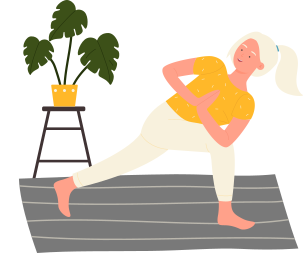
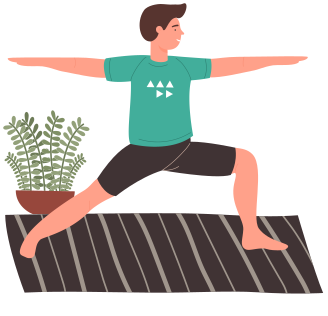
Up to 55% of people who practice yoga say they sleep better. This mind-body practice calms the mind and stretches the body, which makes it especially useful at bedtime. The following poses are particularly effective for winding down:
If yoga isn’t your thing, slow and deliberate breathing offers another simple way to quiet your nervous system and ease into sleep. The 4-7-8 technique is one of the most popular. Here’s how it works:
If you’d rather follow along, a guided video of bedtime relaxation techniques can walk you through each step in bed.
Progressive muscle relaxation (PMR) moves through your body one area at a time. You squeeze a group of muscles, release the tension and then move upward from your feet to your face. For example, curl your toes tightly for 5 seconds, then release them as you exhale. PMR helps you release physical tension and promotes relaxation, making it easier to drift off.
Some of the best sleeping exercises don’t require moving a muscle. Mental relaxation techniques quiet a busy mind when stress keeps you awake. Try one of these:
Yes. Even though bedtime exercises are relatively low-impact, a mild workout before you call it a day can support weight loss. The key is burning more calories than you consume. The time of day you exercise matters less than staying consistent and maintaining a calorie deficit.
Nighttime workouts are a smart choice if you have a hectic daytime schedule, and they may help you manage stress and sleep better.
For hard workouts, aim to finish at least four hours before bed. A 2025 study of 14,689 adults with fitness trackers found that when strenuous exercise ended within four hours of bedtime, people fell asleep later, slept less and had a higher resting heart rate overnight. Workouts that ended four or more hours before sleep onset were not associated with sleep changes, regardless of exercise strain.
Use this chart as a quick guide for timing your evening workouts.
| Workout Intensity | Examples | When to Finish |
| Low | Stretching, gentle yoga, breathing exercises | Anytime, even right before bed |
| Moderate | Brisk walking, easy cycling, light weights | Ideally, about four hours before bed |
| High | HIIT, sprints, heavy lifting, competitive sports | At least four hours before bed |
For example, if you usually turn in at 10 p.m., finish that spin class by 6 p.m. and save your later hours for stretching. If a late session is your only option, researchers suggest winding down with meditation or yoga to help your body settle. If late workouts still leave you feeling wired, shift your routine earlier in the evening.
You can work out after a poor night’s sleep, but you likely won’t perform your best. A review found that sleep loss reduced exercise performance by about 7.6% on average. Sleep deprivation also impairs coordination and raises injury risk, so a hard session on little rest carries real downsides.
If you slept poorly, try these adjustments:
A 2023 analysis found that daytime napping improved performance following partial sleep loss among athletes and active adults. For example, if a late deadline cuts your night to five hours, a short nap and a lighter workout may serve you better than a hard session.
Yes. Sleeping after a workout isn’t just okay — it’s when much of your recovery happens. During deep sleep, your body repairs muscle tissue and restores the energy you spent training.
Post-workout naps can help, too. A 2023 review found that athletes and active adults who napped after a normal night’s sleep covered more distance in shuttle runs and showed less fatigue. Keep naps short and early so they don’t cut into your nighttime rest.

These quick answers cover a few more common questions about movement and rest.
The best stress relief techniques before bed include gentle stretching, low-impact yoga, deep breathing and progressive muscle relaxation. Light evening movement also lowers cortisol and releases endorphins, which helps your mind unwind.
Body scans and yoga nidra are two mental exercises that help you sleep. Both guide your attention inward, which quiets racing thoughts when stress keeps you awake.
Most adults need at least seven hours of sleep per night, and athletes may need an extra hour or two. Since sleep is when your body repairs muscle tissue, prioritize rest after hard training days.
Evening exercise can benefit your health when you choose the right intensity and timing. Save hard workouts for earlier in the day, then use gentle stretches, yoga and relaxation techniques to wind down. Experiment until you find the sleeping exercise that leaves you ready for a good night’s sleep.
Originally published September 23, 2024. Updated September 28, 2026.
Your email address will only be used to send you our newsletter, and at any time you may unsubscribe. For more information, see our Privacy Policy.
