

Body + Mind is reader-supported. We may earn an affiliate commission when you buy through some of the links on our site.
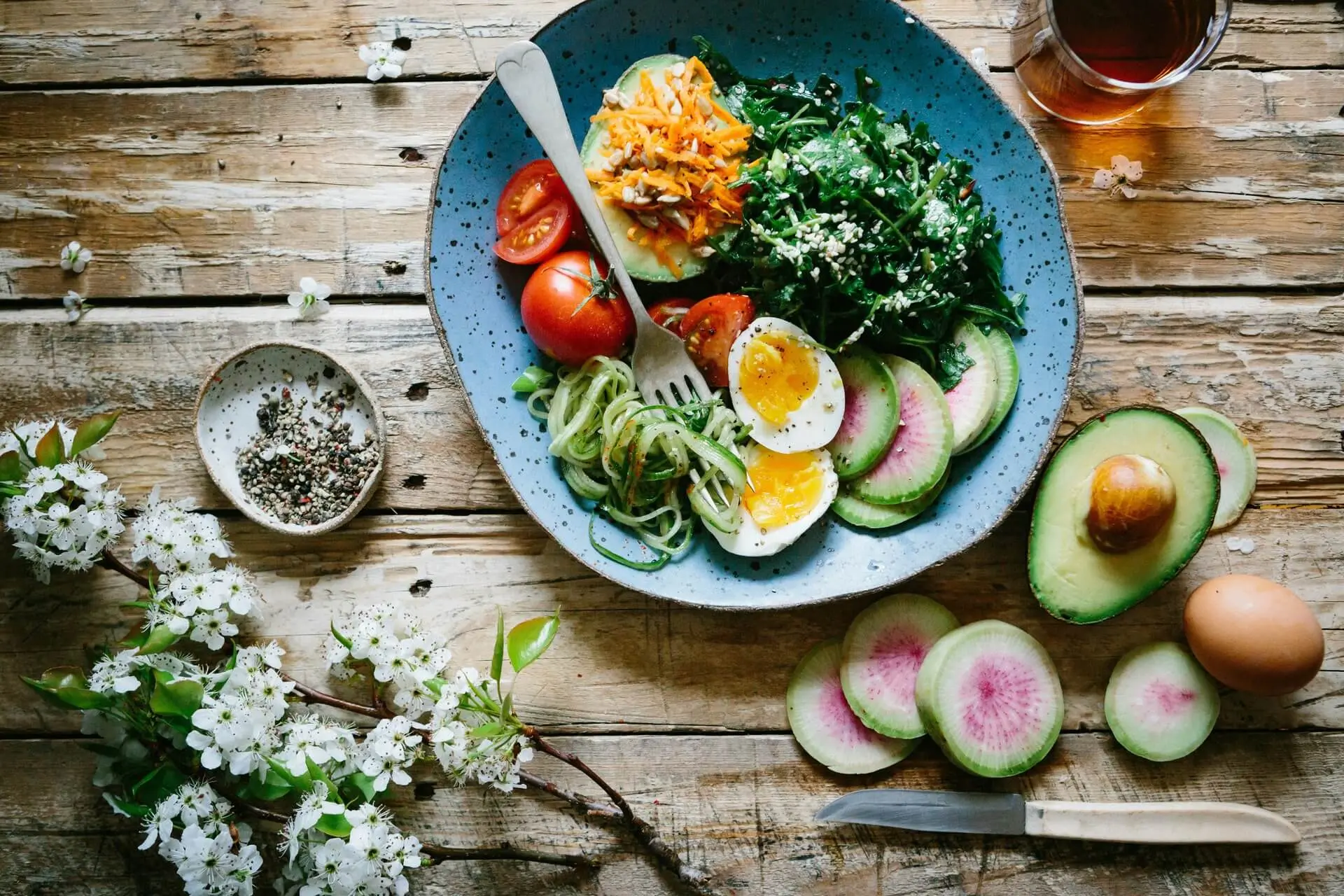
Going on a diet is difficult because it involves strict habits. Making the slow transition is best, but you’re grappling with wanting to see results right away. The flexitarian diet gives you the best of both worlds. It’s both accessible and a great jumping-off point for would-be vegetarians and vegans. Plus, there are plenty of yummy recipes that won’t make you miss meat!
A flexitarian diet is a flexible, semi-vegetarian style of eating. Coined by dietitian Dawn Jackson Blatner, the word blends “flexible” and “vegetarian.” It focuses on plant foods like vegetables, fruits, whole grains and beans, while allowing meat and animal products in moderation.
It’s similar to the Mediterranean diet, which is also considered healthy in similar ways, as it lowers the risk of inflammation and inflammation-based diseases, like heart disease.
However, the main difference is that the Mediterranean diet is stricter and has a seafood focus. With a flexitarian diet, you can eat any kind of meat, fish or poultry, just in moderation.
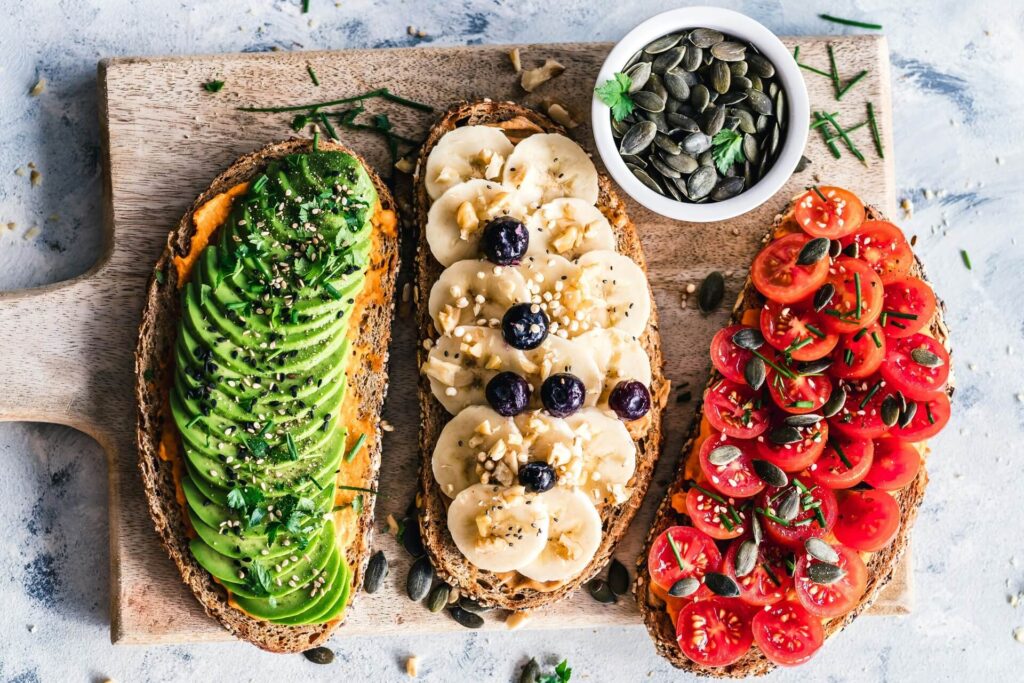
Eating more fruits and vegetables in your diet comes with many benefits. These include, but aren’t limited to:
As with any diet, you need to understand your risks. Some people who eat meat-free or limited meat diets have difficulty obtaining B12. However, there’s a misconception that B12 is naturally found in meat. It’s actually found in bacteria and archaea. Meat contains B12 because the meat you’re eating is from animals that eat produce with the bacteria or are supplemented with it. The produce you eat is so clean that these bacteria are killed before you eat the produce.
Use up and down arrow keys to resize the meta box pane.
Because B12 can be harder to get on meat-free or limited-meat diets, you may want to ask a doctor or registered dietitian whether a B12 supplement is right for you.
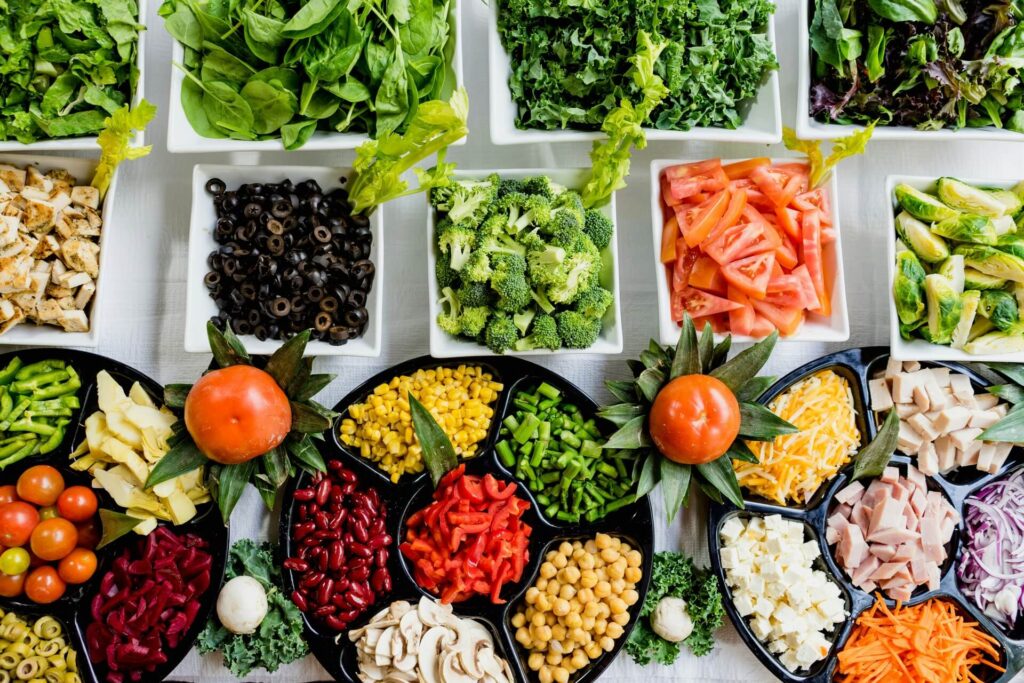
There are three main categories of the flexitarian diet. These include plant food, plant proteins and animal foods, but the animal foods should be consumed in moderation. The only thing you need to pay attention to is how much animal food you eat. If you have any food intolerances, keep these off the plate. Here are some examples of foods you can eat:
If you want to start eating Eggplant Caponata in time for your annual Christmas dinner, you’ll need to have a plan for how to transition. Here are the steps you can take.
Start removing meat from your plate two days a week. You can start weighing your meat in ounces. Try limiting meat consumption to 28 ounces a week, as recommended by the Cleveland Clinic. The Cleveland Clinic also measures portions using a deck of cards. If you apply this to chicken, a deck-of-cards portion is about 3 ounces.
That’s about 9.3 portions of chicken per week. If you’re sticking to 5 days of meat eating, that means you can have chicken for lunch and dinner over the course of those 5 days. Though it may be less or more, depending on the protein.
Step 2 can happen when you feel ready. This could be one week after step one or a month after. At this step, cut your meat consumption to 18 ounces per week. That’s 6 portions per week. Try to eat a fully vegetarian diet for three to four days a week.
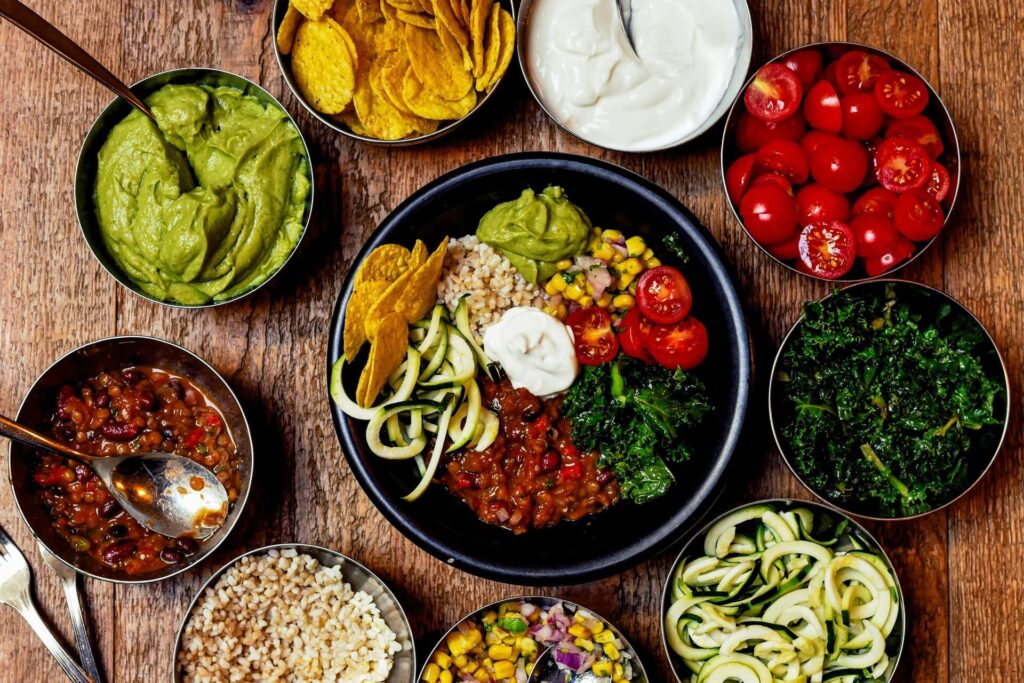
At this point, you should start stocking up on great vegetarian recipes. An easy one to try is a Super Mixed Bean Chili, as it’s packed with protein and flavor. If you want to include more vegetables in your diet, try a Zucchini and Squash Chili. Squash is high in vitamin C, magnesium, calcium, iron, vitamin A and B6.
Step 3 marks the point at which your diet will be more or less consistent. This is a flexitarian diet, so as long as you eat vegetarian food for over 4 days a week, you’re good. A general rule is not to eat more than 9 ounces of meat per week and to limit consumption to two days per week. If you want to eat out, it’s a good idea to save your meat-eating days for then.
You can eat any type of meat, but to maximize the health benefits of the flexitarian diet, you could incorporate free-range, organic and pasture-raised or grass-fed beef. The best way to get this type of meat is to go to your local butcher shop. It’s estimated that 99% of U.S. farmed animals are living in factory farms, so you need to be careful of where you source them.
Animals from factory farms also run the risk of being injected with specific hormones and medicines, and these substances could appear in your food. The less meat you consume in general, the less likely you are to eat substances that could impact your health.
The flexitarian diet is a great way to ease yourself into the vegetarian and vegan diet, but it can also be used to improve your health and wellness. Fortunately, transitioning to flexitarianism is easier than most, as it gives you a lot of wiggle room. You also get the chance to enjoy yummy dishes while protecting animals and the environment for future generations.

Your email address will only be used to send you our newsletter, and at any time you may unsubscribe. For more information, see our Privacy Policy.
