

Body + Mind is reader-supported. We may earn an affiliate commission when you buy through some of the links on our site.
Colon cancer is one of the most common cancers worldwide. While genetics play a role, your everyday food choices have a significant impact on risk. Knowing which colon cancer food to avoid and which ones protect your gut can help you take action.
While most food has its place in a healthy diet, certain foods are consistently linked to higher colorectal cancer risk due to how they are prepared or metabolized in the body. Here are some colon cancer food to avoid or deserve a closer look.
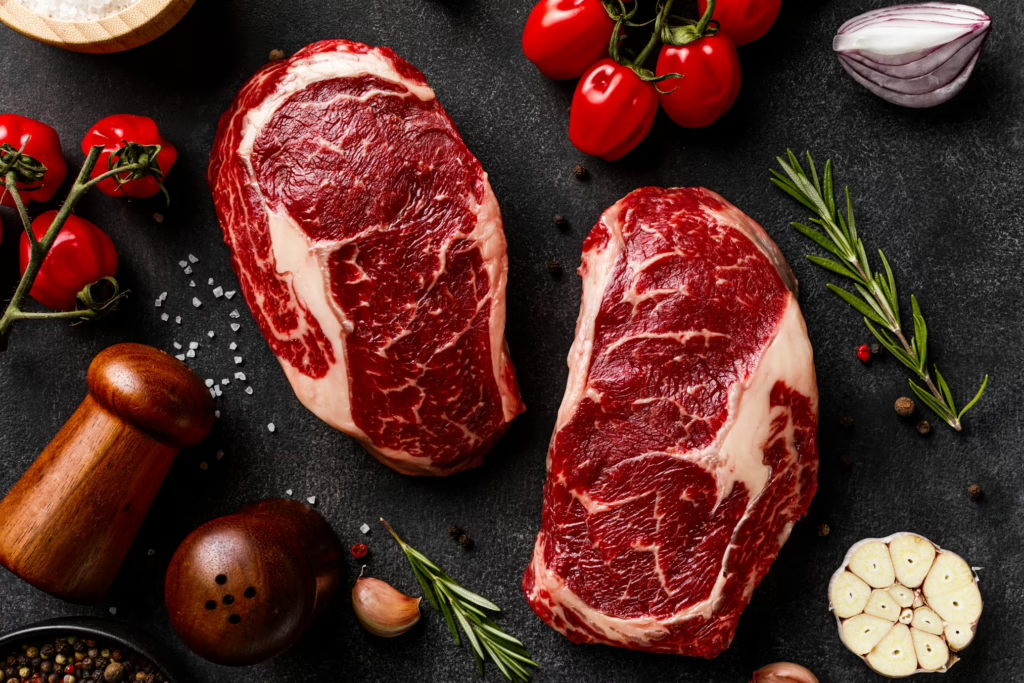
Beef, pork and lamb are staples in many diets. However, regular high consumption of red meat has links to increased risk of colorectal cancer.
Several studies have explored the link between red meat consumption and different types of cancers, including colon and breast cancer. Red meat, especially when cooked at higher temperatures, increases the formation of heterocyclic amines and DNA adducts that lead to colon cancer.
Processed meats are another food category strongly linked to colorectal cancer. Bacon, hot dogs, sausage, ham, and many deli meats are associated with higher colon cancer incidence. They can even be more carcinogenic than unprocessed red meat.
These products often contain nitrates and nitrites used for preservation and color. They are also frequently high in sodium and saturated fat, which may contribute to inflammation. The risk increases with frequency. Eating processed meat daily has a much stronger association than occasional consumption.
Ultraprocessed foods include many ready-to-eat products, like packaged snacks, instant noodles, sugary cereals and frozen dinners. These foods often contain artificial additives, emulsifiers, excess sugar, refined oils and very little fiber or nutrients.
Several studies have found an association between high intake of ultraprocessed foods and increased colorectal cancer risk.
A study of female nurses under 50 found that those who consumed the highest amounts of ultraprocessed food were 45% more likely to experience early-onset colorectal conventional adenomas. These growths can develop into cancer when left unaddressed.
Fast food tends to combine several risk factors in one meal — red or processed meats, refined grains, sugary drinks, unhealthy fats and oversized portions. Most fast food items contain PhIP (2-Amino-1-methyl-6-phenylimidazo (4,5-b) pyridine), a chemical that increases the risk for breast and colon cancer.
Regular consumption can contribute to weight gain and obesity, which is itself a known risk factor for colorectal cancer. In addition, fast food is often low in fiber, which is a protective nutrient for colon health.
While fast food can be a viable option when convenience is necessary, turning it from a habit into an occasional option can significantly improve your overall diet quality.
Soda, sweet tea, energy drinks and fruit drinks are major sources of added sugar. Research suggests that high consumption of fructose or glucose-sweetened beverages may increase colorectal cancer risk, including the risk of death.
These drinks contribute to blood sugar spikes and weight gain. They also provide calories with little fiber or nutrients, crowding out healthier choices.
You can swap sugary drinks for unsweetened iced tea or infused water. Cutting even one sugary drink per day can dramatically reduce added sugar consumption.
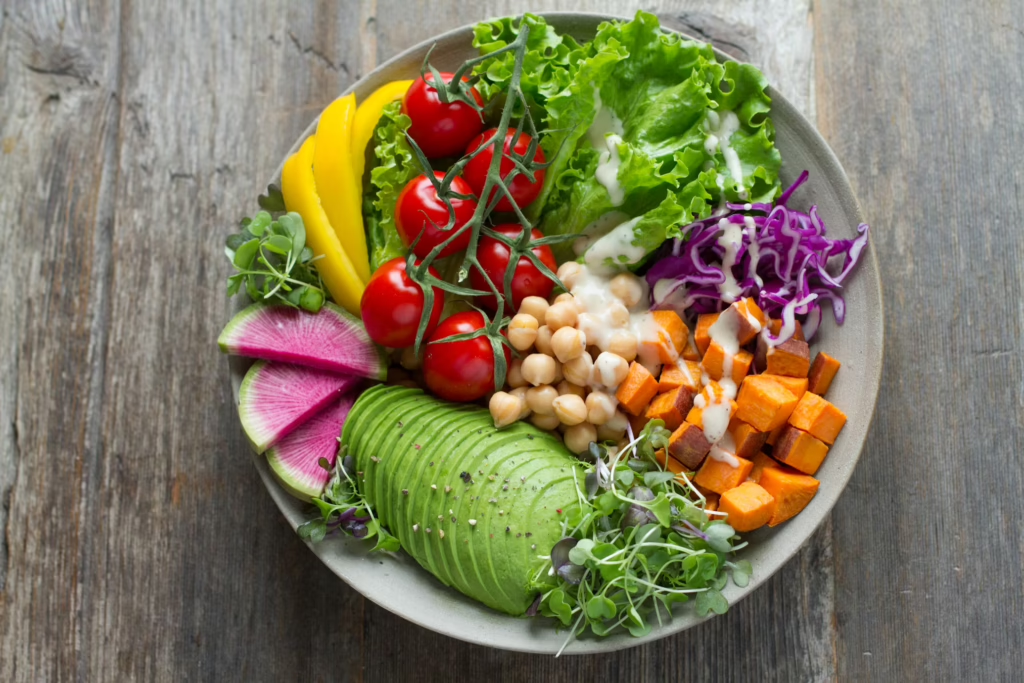
Just as some dietary patterns worsen cancer risk, others can lower it. The common theme is usually fiber, nutrients and minimal processing. Consider these foods to prevent colon cancer and add them to your diet.
Fiber is one of the most essential nutrients for colon health. It helps move waste through the digestive tract and reduces contact between potential carcinogens and the colon. It also feeds beneficial gut bacteria.
High fiber intake has also been consistently associated with a lower risk of colorectal cancer. Aside from preventing colon cancer, fiber’s health effects extend to various bodily systems, and research shows that it can protect you from multiple cancers, esophageal, gastric, breast, ovarian, prostate, pancreatic and more.
Prebiotics are specialized fibers that feed beneficial gut bacteria. A diverse and balanced microbiome may reduce inflammation and support healthy colon cells, preventing the onset of cancer.
Foods rich in prebiotics include onions, leeks, asparagus, chicory root, dandelion greens and more. These foods help produce short-chain fatty acids that may protect colon cells and reduce cancer risk.
Adding small amounts daily, like sauteed onions in dinner or steamed asparagus as a side, can make a meaningful difference over time.
Fruits and vegetables provide antioxidants, vitamins, minerals and phytochemicals that help neutralize free radicals and protect cells from damage.
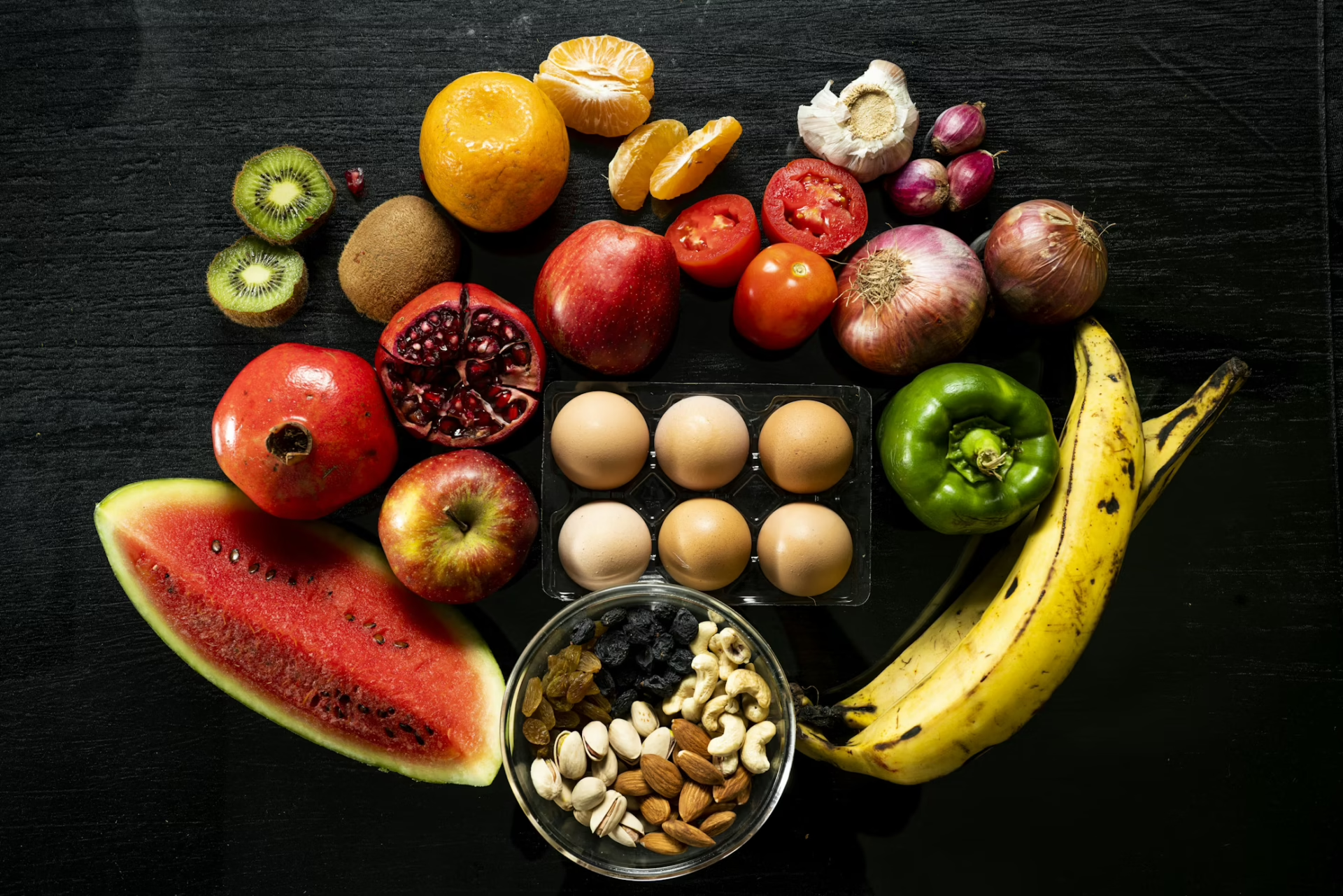
A higher intake of apples, watermelon, kiwi and citrus fruits, for example, reduces the risk of colorectal cancer by 9% compared to a low intake.
When incorporating fruits and veggies into your diet, aim for variety. A plate filled with different shades and textures increases your exposure to diverse protective and gut-healthy nutrients.
Knowing what to eat is helpful. Here are some creative tips to eat healthier consistently and change your cancer risk profile.
You don’t have to give up your favorite meals entirely to be healthy. Instead, you can upgrade them by finding healthier substitutes in foods good for colon health.
If you love burgers, consider swapping beef for chicken or a lentil patty. If tacos are your go-to, replace half the ground meat with black beans or mushrooms. If you’re craving pasta, choose whole-grain noodles and add veggies like zucchini or spinach to boost fiber.
Frequency is key. Making a healthier version of your favorite meal helps lower your exposure to high-risk foods without feeling too restrictive.
If you’re trying to identify colon cancer food to avoid, the nutritional label can help you out.
Start with fiber. For breads and cereals, healthier options use whole grains as the first ingredient, such as whole wheat or whole oats.
You can also scan for added sugars. Sugar-sweetened beverages and snack bars can contain surprising amounts of sweetener. Lower intake of added sugars supports gut health and weight management, reducing colon cancer risk factors.
High-heat grilling and charring can create compounds linked to colon cancer, especially with red and processed meats. While you can still eat grilled foods, moderation and techniques can help you better manage your health.
Try baking, steaming, poaching or sauteing at moderate heat instead. If you grill, marinate the meat beforehand with citrus, as this can help offset the potential harmful effects of carcinogens.
A healthier diet that supports colon health can still be as diverse and delicious as its alternatives. Balance is key — you can still have your favorites while incorporating fiber-rich, plant-forward meals. Start small, stay consistent and celebrate your progress to enjoy a healthier colon for years to come.

Your email address will only be used to send you our newsletter, and at any time you may unsubscribe. For more information, see our Privacy Policy.
