


Body + Mind is reader-supported. We may earn an affiliate commission when you buy through some of the links on our site.
Scroll through any fitness corner of social media, and you’ll be bombarded with “gym bros” preaching their five-day splits like it’s gospel. Building muscle doesn’t require you to speak fluent bro or follow some overly complicated routine. Discover what actually works for your unique goals and lifestyle.

The bro split is a classic bodybuilding routine where you dedicate each workout to training one specific muscle group. Think Chest Monday, Back Tuesday, Legs Wednesday, and so on. Most people follow this routine five days a week, hitting each muscle group once before the cycle repeats.
The bro split became wildly popular in the bodybuilding community because it’s straightforward and satisfying. You walk into the gym knowing exactly what you’re training that day. That simplicity makes it easy to stick with, which is half the battle when it comes to building muscle.
Let’s cut to the chase: yes, the gym bro split absolutely builds muscle. If you’re lifting consistently, eating enough protein and progressively overloading your muscles, you’ll see results. But here’s where the science gets interesting.
Your muscles grow primarily during recovery, specifically when your body ramps up muscle protein synthesis after your workout. Research shows that resistance training produces sustained increases in muscle protein synthesis for up to 48 hours after training.
If you’re training each muscle group only once per week with a bro split, you might be leaving some gains on the table. Your chest gets a great stimulus on Monday, then sits idle for five days before you train it again. It works, but it may not be the most efficient route to building muscle.
Can the bro split be effective? Absolutely. Is it the best approach for everyone? That depends entirely on you. The routine has earned its place in gym culture for good reasons:
The fitness world is evolving, and the traditional bro split is losing ground to routines that align better with modern training science. People are shifting toward approaches that train muscles more frequently throughout the week.
Recent research surveying more than 750 gym enthusiasts found that strength training and full-body routines now take priority over traditional splits. Full-body workouts and push-pull-legs routines are gaining favor because they let you hit each muscle group two or three times per week instead of just once.

If you’re curious about alternatives, here are the main options getting attention.
Push-pull-legs groups your muscles by movement pattern. Push days cover chest, shoulders and triceps. Pull days hit back and biceps. This lets you train each muscle group twice per week.
Upper-lower splits divide your training between upper-body and lower-body workouts. It’s simple, balanced and gives you solid frequency.
Full-body workouts train every major muscle group in each session. This works well for beginners or anyone with limited time.
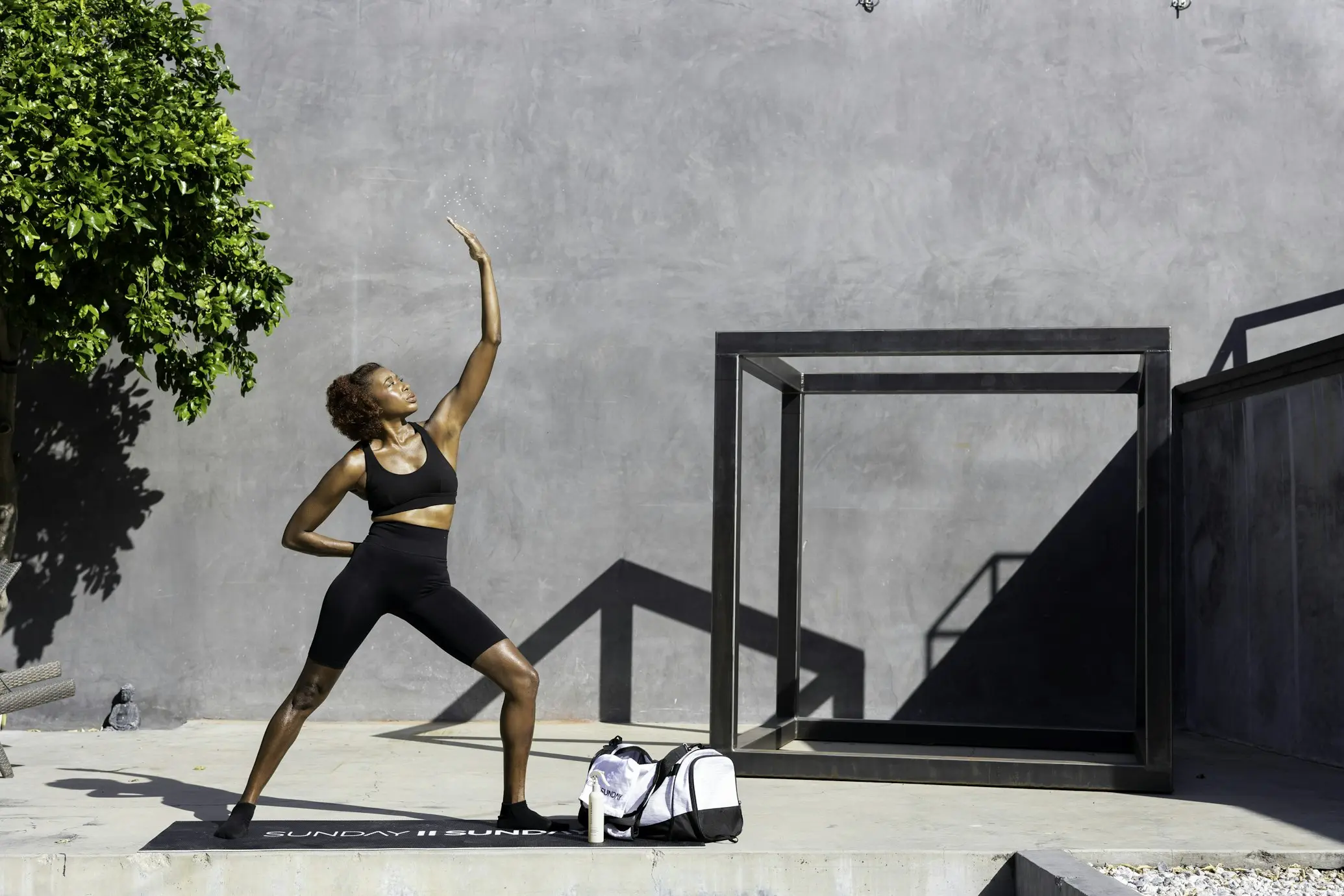
The “perfect” split matters far less than how well you execute it. These principles apply no matter which routine you choose.
Consistency will always beat perfection. Showing up regularly and putting in genuine effort will outperform the “perfect” program done sporadically.
Your body builds muscle in response to a repeated stimulus. A good-enough workout done consistently week after week forces your body to adapt. Pick a routine that fits your schedule and give it a real shot for at least eight to 12 weeks before deciding whether to change it.
Building muscle doesn’t have to look like traditional weightlifting. Alternative high-intensity options offer a different path to strength gains by focusing on time under tension.
Explore methods that engage slow-twitch muscle fibers through deliberate, controlled movements to build lean muscle without a barbell.
Your body is incredibly efficient. If you do the same workout with the same weight for months, your body will adapt and have no reason to change.
Increase the weight once you can complete all your reps with good form. Increase the reps by fighting for one or two more with the same weight. Add an extra set to bump up your total volume. Decrease rest time by shaving 15 seconds off your break between sets.
No matter which split you choose, recovery is where the magic happens. Active recovery methods can help alleviate muscle fatigue and improve flexibility on your rest days.
Practices like yin yoga target connective tissues by holding deep stretches to release muscle tension, while power yoga can build core strength without weights. Walking, gentle stretching or taking a full rest day are all valid recovery strategies.
The best workout split is the one you’ll actually do consistently. If you genuinely love the bro split, keep doing it. Your enjoyment matters more than you think.
Research shows that people who followed pleasure-oriented exercise sessions experienced higher satisfaction and maintained 77% higher gym attendance over eight weeks. When you enjoy your workouts, you show up more often. When you show up more often, you get results.
Is the bro split the best way to build muscle? It can be effective, but the answer depends on your goals, schedule and what keeps you motivated. Modern science suggests that training each muscle group more frequently might deliver faster results, but only if you stick with it.
Experiment with different routines and pay attention to how your body responds. The best program is the one that keeps you consistent, challenges you appropriately and makes you excited to train. If that’s the bro split, own it. If it’s something else, that works too.

Your email address will only be used to send you our newsletter, and at any time you may unsubscribe. For more information, see our Privacy Policy.
