

Body + Mind is reader-supported. We may earn an affiliate commission when you buy through some of the links on our site.
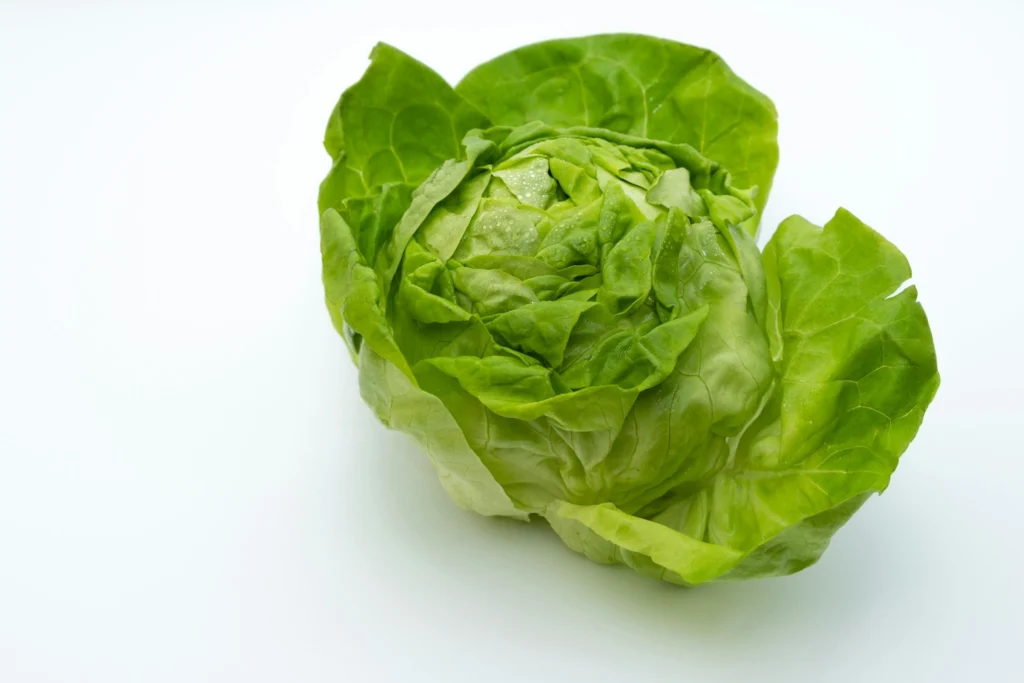
Alt text: Iceberg lettuce on white background.
You likely never suspected that following a healthy diet could actually put your health at risk, but that’s become a real concern following the recent cyclospora outbreak. Suddenly, your go-to garden salad is looking a bit suspect, and you’re worried that you’ll end up being infected by this problematic parasite. Understanding what cyclospora symptoms look like can help put your mind at ease and enable you to keep prioritizing produce.
Here’s more on what cyclospora is, the symptoms to watch for and how to protect yourself without giving up your favorite salads.
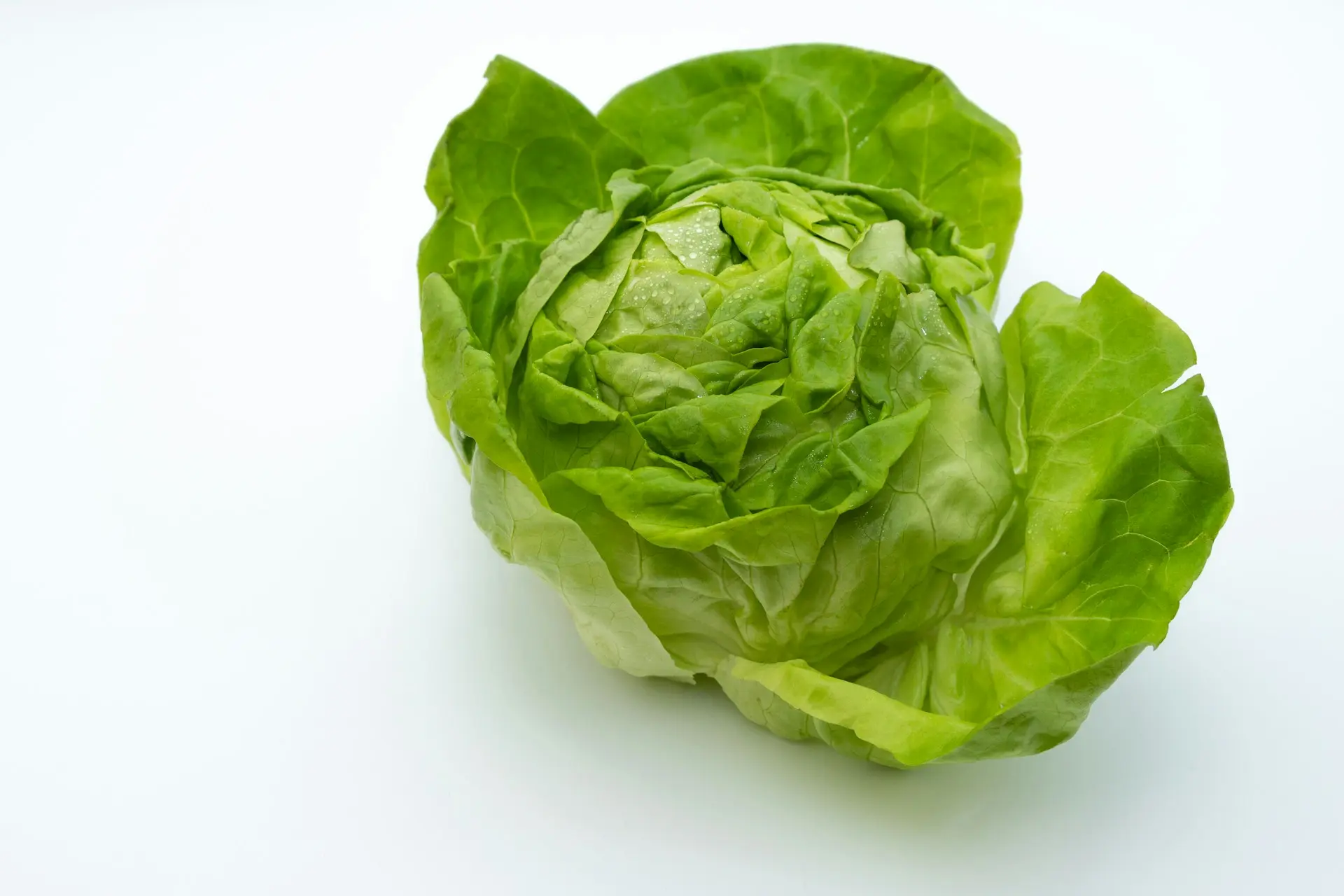
Cyclospora is a microscopic parasite that can contaminate water and produce. It’s most common in tropical and subtropical regions, but can appear elsewhere due to imported goods. Here in the U.S., the outbreak has been traced to shredded iceberg lettuce produced by Taylor Farms in Mexico.

Alt text: Woman with stomach cramps.
Cyclospora symptoms are mainly found in the digestive system, as it infects the lower intestine. According to the FDA, they include:
Some people may also experience vomiting, headaches, body aches, low-grade fevers and other symptoms that resemble the flu. If left untreated, you may also become dehydrated. Cyclospora symptoms generally do not appear for a week to 10 days after consuming the contaminated food, so it can be challenging to pinpoint what exactly led to your infection. Issues can persist for a few days to a month or longer. They may resolve but then recur one or more times.
Additionally, if you are immunocompromised, you may experience more severe illness that lasts longer, along with complications requiring close medical attention. That’s why it’s vital to be on the lookout for cyclospora symptoms and get immediate treatment in these cases.
Produce gets contaminated by cyclospora when it comes into contact with microscopic traces of human fecal matter carrying the parasite. The most common methods are contaminated irrigation water that’s been exposed to sewage, a lack of proper sanitation stations for farm workers and using tainted water to wash harvested items before packaging.
The most important thing to remember is that this is a supply chain issue and is not the result of poor hygiene practices at home. As long as you’re aware of what items may be contaminated, you can avoid bringing them into your home.
Being forewarned is being forearmed, and there are several things you can do to reduce your risk of being infected by cyclospora.
Washing your hands before and after handling food is vital. Use clean, warm water, apply soap and lather well. Be sure to scrub for at least 20 seconds before rinsing thoroughly and drying off with a clean towel.
Rinse your lettuce under running water. Use a salad spinner or a large colander to clean your greens before placing them on paper towels to dry completely. Washing may not remove all cyclospora, but it can help reduce the risk of other contaminants.
Be sure to buy your lettuce from reputable sources and pay attention to any FDA or CDC announcements about outbreaks. This is a great opportunity to visit local farmers markets and support your community, or even experiment with growing your own greens.
If you are experiencing cyclospora symptoms, especially diarrhea, for more than a few days, it’s time to schedule an appointment with your doctor. They will request a stool sample to check for the presence of parasites, and it might take a few tests to reach an accurate diagnosis.
Doctors usually prescribe trimethoprim/sulfamethoxazole (TMP/SMX) to kill cyclospora. In addition, they may also recommend antidiarrheal medications to prevent dehydration and help your body retain vital nutrients. They will also likely suggest getting proper hydration, either through water or electrolyte drinks, and may suggest IV fluids in extreme cases.
It’s important to trust the professionals and not self-diagnose. Otherwise, cyclospora symptoms could hang on for a month or more, putting you at risk of severe dehydration and health complications.

Alt text: A glass of fresh water.
Your body will need time to recover from a cyclospora infection, and it’s important to treat it right. The parasite and the antibiotics used to treat it can disrupt your gut microbiome. Around 70% of your immune system lives in your gut, and when your microbiome is out of whack, your whole body can feel the effects. Things like gas, mood swings, frequent colds and poor sleep are common distress signals your microbiome could be sending you.
Several foods aid in improving digestion:
Additionally, be sure to drink plenty of water throughout the day to stay hydrated. You’ll also want to prioritize sleep and get enough rest as you’re recovering from a cyclospora infection. Focus on light physical activity, such as walking, to reduce inflammation and encourage normal gut motility.
The recent headlines about Cyclospora may be unsettling, but they do not mean you need to dump your salad bowl. Infections are relatively rare, and the health benefits of eating fresh produce far outweigh the risks. As long as you understand the symptoms, stay informed about new outbreaks and follow safe food-handling practices, you can still enjoy your favorite salads with confidence.

Your email address will only be used to send you our newsletter, and at any time you may unsubscribe. For more information, see our Privacy Policy.
