
Body + Mind is reader-supported. We may earn an affiliate commission when you buy through some of the links on our site.
You reach for cheese, wine or leftovers and end up with a headache, flushed skin or a stomach that refuses to settle. That reaction might be more than an allergy. Histamine intolerance happens when your body struggles to break down histamine fast enough, letting it build up and trigger symptoms across your skin, gut and nervous system. Here’s what causes it and how you can start managing it.
Histamine intolerance differs from a food allergy, even though the symptoms can look alike. Allergies occur when your immune system reacts to a specific trigger by producing antibodies. Histamine intolerance works differently. Your body naturally produces histamine and also breaks it down using an enzyme called diamine oxidase, or DAO. When DAO activity drops, histamine builds up faster than your body clears it and that excess starts causing symptoms.
A large population survey showed low DAO activity among 44% of the adults tested, though only a small share of that group reported reactions after eating histamine-rich foods. Low DAO alone raises your risk of symptoms rather than guaranteeing them, especially when you’re eating foods that are naturally high in histamine or foods that trigger your body to release more of it.
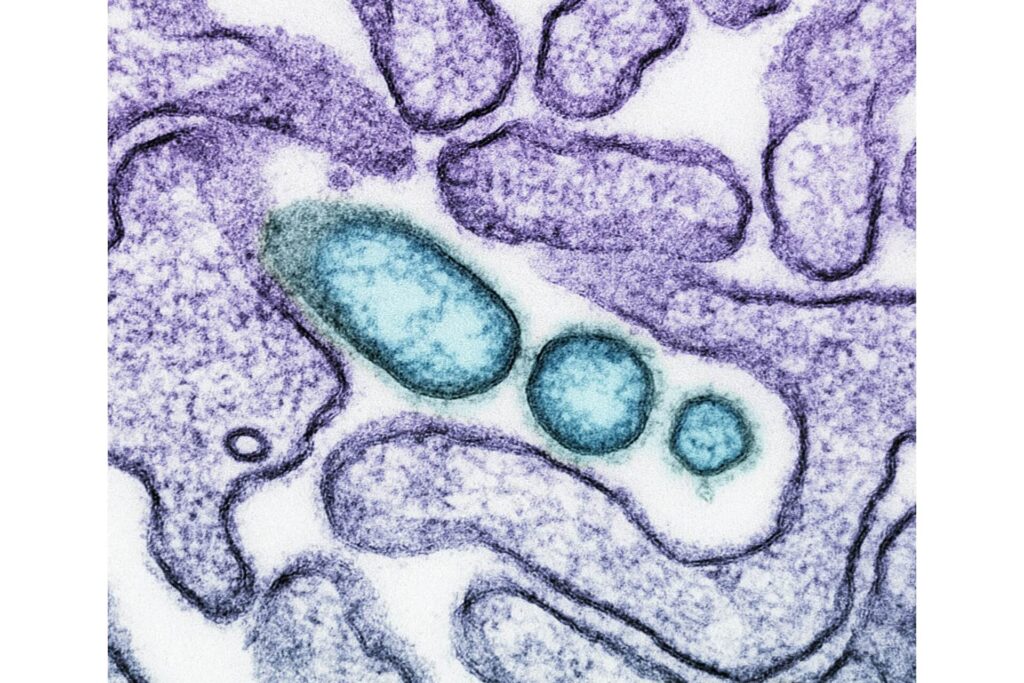
Histamine intolerance symptoms show up in more places than you’d expect. Headaches and migraines are common, and skin flushing, hives or itching often follow soon after eating a trigger food. Your gut gets hit too, with bloating, cramping and diarrhea showing up within an hour or two of a meal. Some people notice a racing heartbeat or nasal congestion that mimics seasonal allergies.
This overlap is part of why histamine intolerance goes undiagnosed for years. Researchers studying people with confirmed migraine diagnoses found that 87% of them also showed reduced DAO enzyme activity, a connection that’s easy to miss when headaches get treated as a stand-alone issue. If your symptoms consistently appear after specific meals rather than randomly, that pattern is worth tracking and mentioning to a healthcare provider.
Several factors can lower your DAO activity and genetics play a bigger role than most people realize. A 2025 study on DAO gene variants found that genetic factors accounted for nearly three-quarters of diagnosed cases, tracing the deficiency back to inherited differences in how efficiently your body produces the enzyme. Gut inflammation is another major driver. Conditions like IBS or SIBO can damage the intestinal lining where DAO is produced, cutting into your body’s supply.
Certain medications interfere with DAO, too. A 2023 clinical study found that naproxen reduced DAO protein levels in intestinal cell cultures, and proton pump inhibitors have also been linked to lower DAO activity in some patients, so it’s worth reviewing your prescriptions with a doctor if symptoms started after a new medication.
Alcohol also blocks DAO temporarily, which is part of why a glass of wine can trigger a headache faster than food alone would. Layer a few of these factors together, like gut inflammation plus a genetic predisposition and your histamine tolerance drops even further.

Aged and fermented foods carry the highest histamine loads, since histamine forms as proteins break down over time. Aged cheeses, cured meats, sauerkraut and soy sauce all fall into this category. Leftovers are a sneaky culprit, too — histamine climbs the longer food sits in your fridge, even if it still looks and smells fine.
Alcohol, especially red wine and beer, ranks among the most common triggers, and some fruits and vegetables like spinach, tomatoes and citrus act as histamine liberators, meaning they trigger your body to release its own stores of histamine, even when their own histamine content stays low.

An elimination-and-reintroduction approach is the most reliable way to confirm your triggers. Cutting high-histamine and histamine-liberating foods for two to four weeks, then reintroducing them one at a time, lets you see clearly which foods trigger your symptoms rather than guessing. A food and symptom diary makes the process far more useful, since you’ll start noticing patterns between specific meals and specific reactions.
For example, a person managing frequent afternoon headaches might spend two weeks cutting aged cheese, wine and leftovers, then reintroduce one food every three days while logging symptoms. If headaches return within hours of eating aged cheese but go away after wine, that narrows down the actual trigger instead of cutting everything out indefinitely.
Cooking fresh instead of relying on stored leftovers, choosing fresh cuts of meat over cured ones and pairing meals with DAO-supportive nutrients like vitamin C can also ease your symptom load. A 2022 clinical study following patients who paired a low-histamine diet with enzyme supplementation and were reevaluated six to eight months later found measurable improvement in symptom severity, reinforcing that the diet piece works best alongside professional guidance.
A registered dietitian or allergist can help you build a plan that keeps your diet varied while you sort out what’s actually triggering your symptoms. If you’re also navigating broader gut-related food sensitivities alongside histamine issues, addressing both at once tends to work better than isolating one or the other.
A few common questions come up once you start connecting your symptoms to histamine.
No, and the distinction is important for how you approach it. A true allergy involves your immune system producing antibodies against a specific trigger, while histamine intolerance stems from your body’s reduced ability to break histamine down through the DAO enzyme. That’s why allergy testing often comes back clear even when food consistently triggers your symptoms.
Yes, it often does. Gut inflammation, medication changes and shifts in your microbiome can all lower your DAO activity over time, meaning foods you tolerated for years can suddenly start causing symptoms. That’s part of why tracking your symptoms alongside your diet, rather than assuming a food is automatically safe because it always has been, matters more as you get older.
Histamine intolerance can feel like a moving target, but understanding the DAO connection gives you an actual starting point. Track your symptoms, notice which foods line up with your reactions and work with a provider who can help you confirm what’s really going on. Once you know your triggers, you can build a diet that keeps your symptoms in check while still including the foods you love most.

Your email address will only be used to send you our newsletter, and at any time you may unsubscribe. For more information, see our Privacy Policy.
